

In Dante’s Comedy, each punishment is a contrapasso, a symbolic instance of poetic justice, and Purgatory seemed an appropriate place to be, last winter. So here, in the Fortnightly Review are my thoughts about reading Purgatory.
In Dante’s Comedy, each punishment is a contrapasso, a symbolic instance of poetic justice, and Purgatory seemed an appropriate place to be, last winter. So here, in the Fortnightly Review are my thoughts about reading Purgatory.
List of publications 3 (Miscellaneous)
Our video catalogue from the nineties
These links provide a tour of Grey Suit. The project began as a video magazine for performance art, material film and innovative music and poetry. Later we began publishing poetry chap-books and now we also do larger publications. We specialise in “the byways of literature” – to use John Ashbery’s phrase.
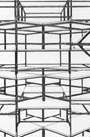
I have just discovered this post from the Art Gallery of New South Wales – showing items from the box of drawings for The Tower – created for the performance in that gallery in 1984.
The gallery bought these fine drawings by Dilys Bidewell, which also has photos of the tables used, together with the film of the performance directed by James Bogle. This film can be found on Grey Suit Video Issue 4 1993 at 37:13.
We kept each issue of this video magazine intact as each is a historical document. The full catalogue with links to each issue can be found here – Grey Suit Video Catalogue.
The contents pages preceding each video always give the time location for each contribution.
Grey Suit originated as a video magazine which ran to twelve issues – recording thirteen hours of material – performance art, poetry readings, installations, experimental film and music. The material was digitised from the masters by the BFI several years later.

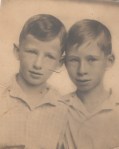
Now added to this post – the catalogue to the Library of New South Wales’ excellent “Dunera” exhibition – about the camp my father was interned in for the first years of the war – and the transcript of my father’s diary, which he kept while in the camp. These two acrobat files are now at the foot of this post. My thanks to Andrew Trigg, NSW Librarian. x
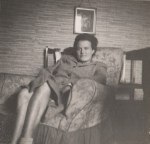

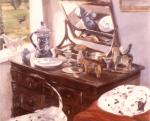

Hagit Bar, an Israeli dancer, created a dance work – A Space to Imagine – for The Room, my space in Tottenham in 2006 – as part of a short festival of Poetry, Art and Performance: Art across the Middle East. A choreographer who has performed at The Place in Resolution, at the Laban Centre, in Barcelona, Portugal and Israel, she has conducted numerous seminars in dance. She has been interested in the notion of occupation as it might be applied to a dancer’s actions, though of course the term can equally be applied to a territory. Her work takes on strenuous repetitions that become arrested. For this piece she creates a series of movement “snapshots” – brief, concise episodes of physical expression. Sometimes there is a sense of entrapment about her movements. Further work can be found on Youtube.
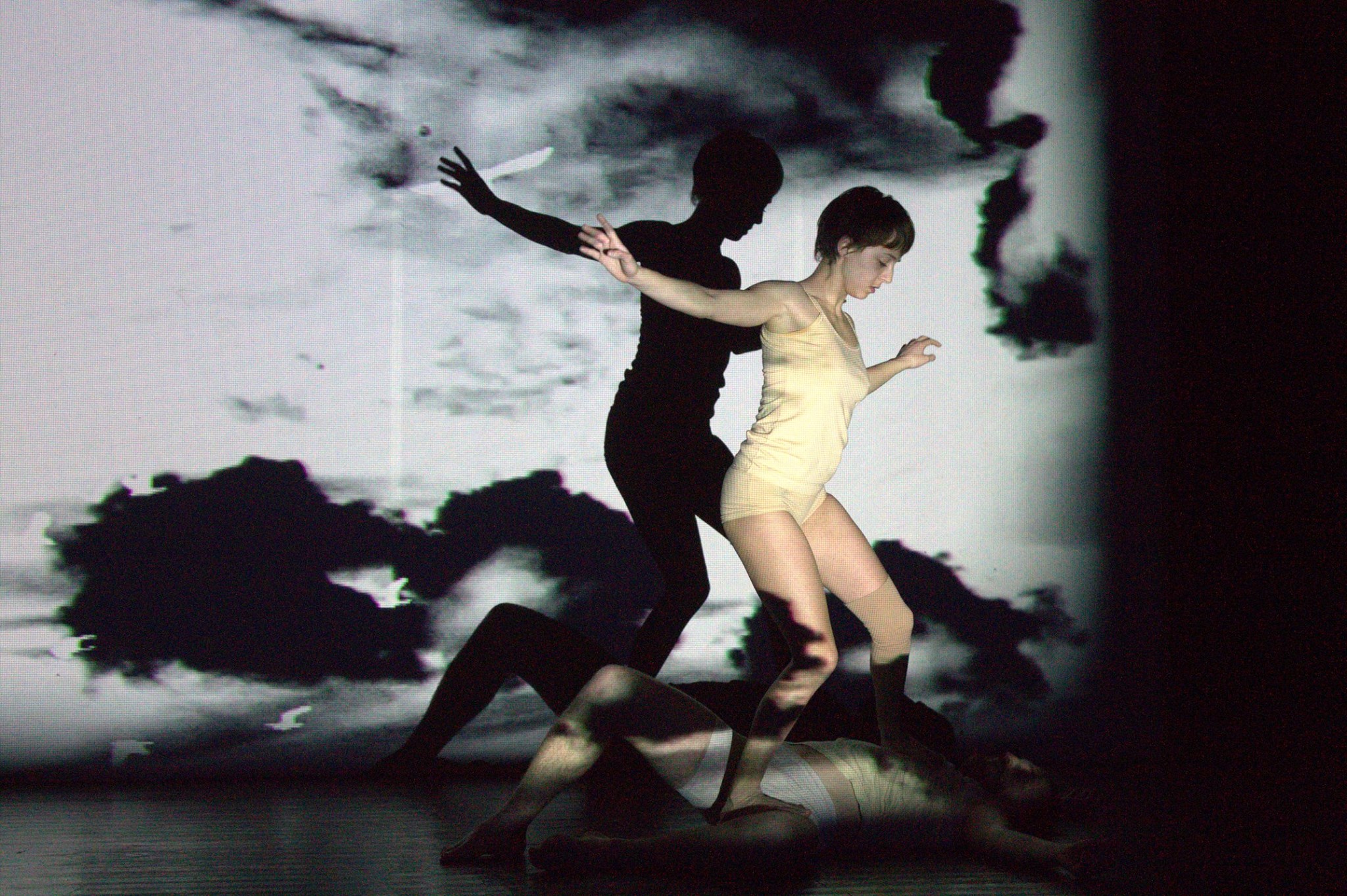
Rosella Pellicciotti is a member of the Albanian Dance Theatre Company. Here is an improvisation. The improvisation is accompanied by this quotation – “There are neither major nor minor tragedies. Tragedies exist. Some can be described. There are others for which every heart is too small. Those kinds cannot fit in the heart.” – Sarajevo Blues. This dance work is distinctive for its adept use of rhythm – which is all too often neglected in contemporary dance practice. Pellicciotti works with both dance and performance art and created interesting performances with others at the Paris Summer Academy 2018. Further work can be found on Youtube.
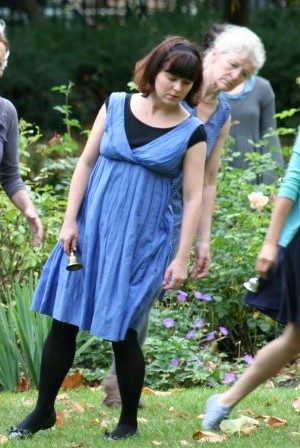
Milica Vukovic has extended her dance practice into a performative arena sometimes interacting with other art – as with the sketches she created for an exhibition by Mark Williams at the Room. More recently her dance work has become engaged in gardening. As a volunteer gardening assistant at Chiswick House in 2019 she created a Disfocus – a short film where her actions are now integrated into those associated with the cultivation and maintenance of a garden – in this case, a very large one. Further work can be found on Vimeo.

Last night I watched “Ceasefire” (Cessez-le-feu) directed by Emmanuel Courcol, starring Romain Duris, Celine Sallete and Gregory Gadebois. This French film explores the lives of French soldiers traumatised by bombardment in the trenches of Verdun. Those few who returned ostensibly intact nevertheless suffered from irreparable shell shock, nightmares, the shakes. Many remained unfit for life, unable to participate in normal life. Marcel Laffont, one of these survivors is unable to speak and is being taught sign-language in order to express himself. Towards the end of the film, he manages to leave a message on the blackboard hanging in his room. There is nothing wrong with his vocal chords. It is simply that for Marcel it is “impossible” to be one who has returned alive from this tragic slaughter, a slaughter impossible to speak about, that renders Marcel himself unable to speak about anything ever again.
Watching this film, I began to understand more about the unique role of The Cross of Carl – which Grey Suit Editions UK have just published.

Walter Owen, the Argentine author of The Cross of Carl, attempted to enlist in WW1 – but was refused, being already blind in one eye. He spent much of the war in a sanatorium, traumatised by this refusal, and in a strange state of empathy with those serving at the front. As is shown in the author’s note prefacing the tale that he calls “an allegory”, opium may have contributed to a hallucinogenic episode he experienced – a vision, if you will – that caused him to feel that he was possessed by the spirit of a German soldier in the trenches who was about to participate in a dawn attack. He then wrote his account of the sufferings undergone by this soldier in one sitting, in a sort of frenzy of the imagination – and this extraordinary fiction (which he felt was more of a haunting than a fiction) is the result.
Now the reader may question the authenticity of this “vision” – but perhaps Walter Owen’s work has a validity that transcends experience – since, as Marcel Laffont testifies on his board, the actual experience is “impossible” to speak of, since it is an impossibility (spiritually speaking) to have survived the savagery of such massacres, impossible to speak, let alone speak of the horror itself. Certainly this is the view of General Sir Ian Hamilton – who introduces this allegory: ‘There is something to be explained which I at least cannot explain in the sudden appearance of a book from the Argentine by a man who, I believe, had never seen modern war with mortal eye and who yet manages to divest himself of all the paraphernalia and impedimenta of the old wars (which must have become more or less familiar to him in his youth) so as to visualize the attack on Hill 50 with a stark, concentrated realism which has been attempted, and yet not conveyed as he has conveyed it, by Tomlinson, Remarque, Barbusse and half a dozen other really first-flight authors.‘
With this in mind, it is interesting to compare Walter Owen with Wilfred Owen, and perhaps Walter’s star has been eclipsed by the reality described that that poet who died in the conflict. But it is not a question of asserting some value judgement, of disapproving of a work of the imagination while preferring “the real thing”. Both lived experience and the life of the imagination have a role to play in literature.
Walter Owen’s text has a visceral power, an intense texture that seems to me a precursor of the sort of dense physical language handled so brilliantly later by Norman Mailer in Why we are in Viet Nam. It is a language that draws on all sensory inputs – smell, taste, touch, as well as sight and sound. While created solely out of sight and sound, Emmanuel Courcol’s film works hard to convey the Verdun bombardment of the trenches in a way that evokes these senses unavailable to the screen, and I found watching it a powerful experience. Whether imagined or experienced, what all these works bring home is that active military service can leave the strongest spirit traumatised, unable to settle back into the humdrum wage-earning ways of ‘civvy street’. Many of those we pass in today’s streets, huddled under a flattened cardboard box, or at best lying on a damp urine-stained mattress by the underground station, are ex-service personnel: brave spirits, wrecked by some order they were obliged to obey, or some atrocious act that has to remain a secret.
See also Dreadful as the Abortions of an Angel – my essay on the literature of war published in the Fortnightly Review.
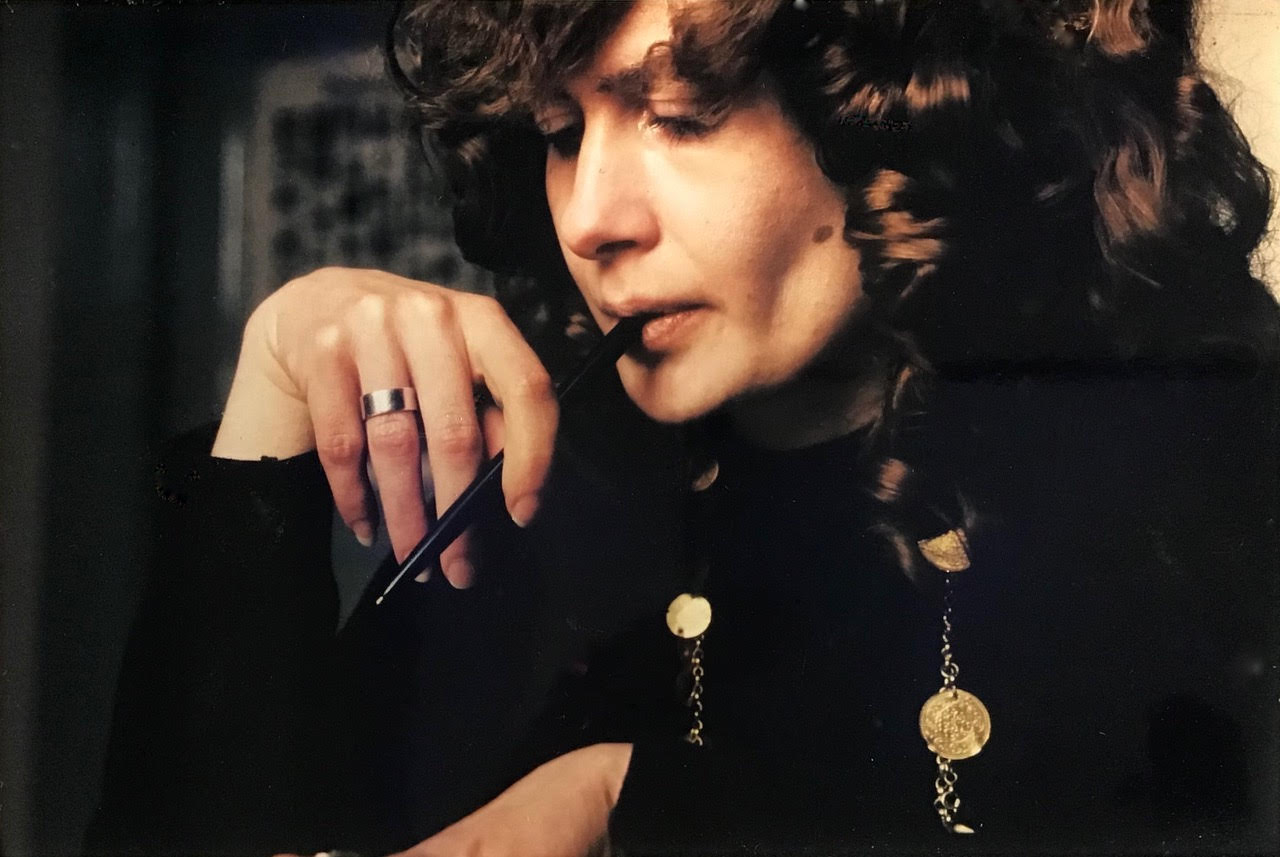
Iliassa Sequin’s unique way of writing is at last available in a publication from Grey Suit Editions
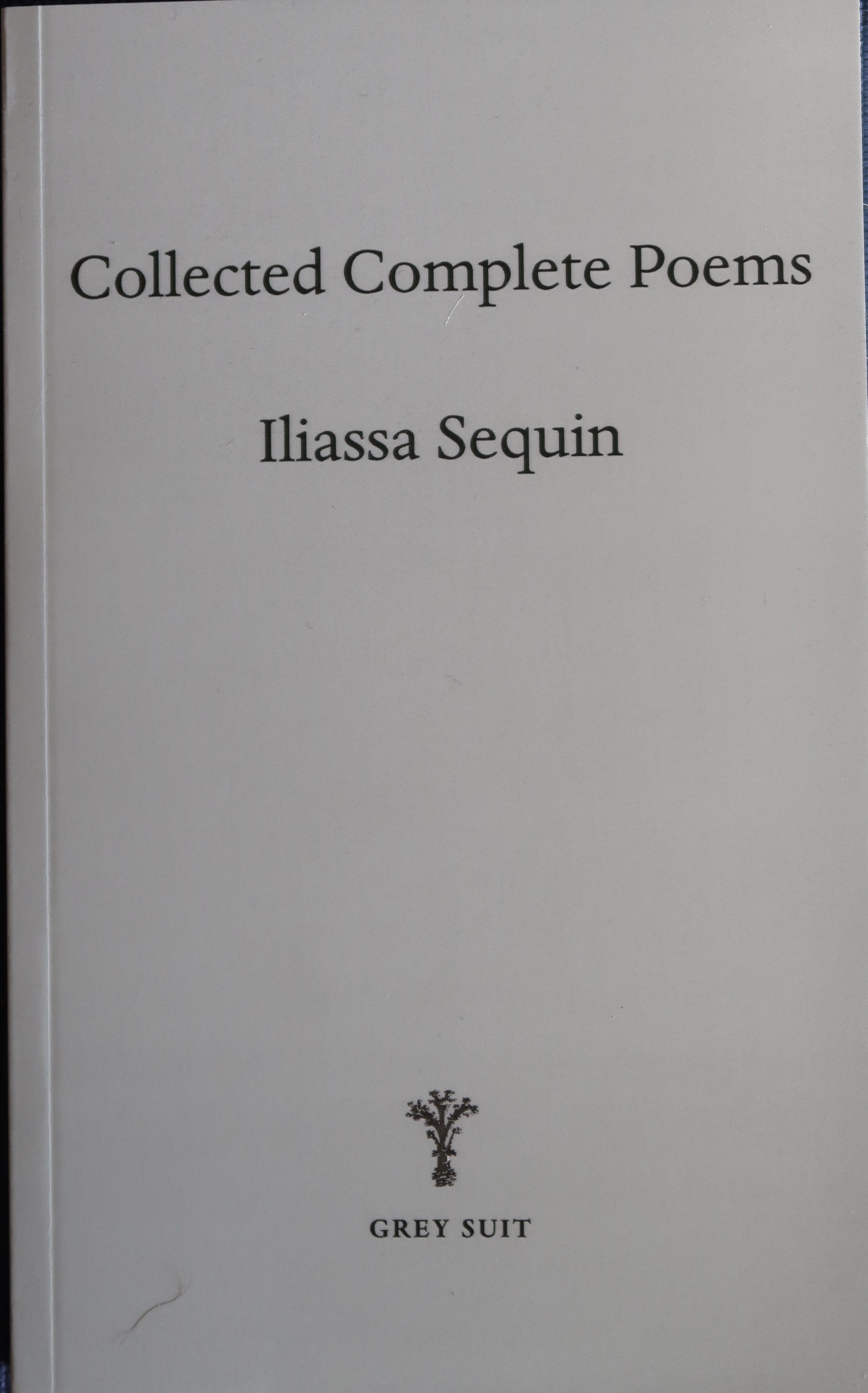
More details about her work and her life here
Now available on Amazon and on Abebooks.
BALLAD
Less than a day from April,
The wax white, compact
Hyacinth is up.
And petals in a sky
x
Trailing a fringe of drizzle,
Cling to the gusty almond.
Daffodil clumps are swept
Like weed combed by a brook.
x
The loam underfoot is mish-mash
Pasted over with oakleaf.
Knocked-about drives with potholes
Go where the barns moulder.
x
Pert above waterlogged gravel,
Blue tits flit at table;
Woodpeckers cheerfully hammer
Cantankerous morning together.
x
Lichen stains the leeside
Of boles near draughty marshes
Where nothing but walkable tussocks
And adequate boots make a passage.
x
Anchored by only their shadows
Cast on the fields’ floor,
Armadas of cumulus-nimbus
Ride in the sun’s glare.
* * *
From the mildewed seams of a rag-doll’s
Ill-stitched, lenient thighs,
Rotting apart since August
By the concrete military road,
x
Hair sprouts as the shoots do;
Minuscule ivy glides
Among the fizzy parsleys
And the embryonic grasses.
x
Less than a day from April,
Odd leaves are stuck
Where they first were blown
Onto the hedges: a hawk
x
Spies upon pasture edged
By birches lozenge-clad
In criss-cross net,
And spangled at the garter;
x
Lifting a sheer leg,
Stretching into the fingers
Of twigs turning red
Behind the trim estate.
x
Caught in the wrecked masts
Of last year’s thistles,
Aghast blown skirls
Spill from the rear trestles
x
In gardens back to back:
Radio 1 and a chain-saw
Attack and counter-attack
Children curdling blood;
x
While tendrilly vibrations
With dwarf orange balls
Offset brick walls
And camouflage the eyesore.
x
But garages padlock hardware;
For Primrose Way’s Elect,
City-employed and gerbilled,
Are all too easily burgled.
* * *
Less than a day from April,
The ‘pressure cooker’ effect
Builds in the twigs and the neighbour
Just on the brink of sobriety.
x
A hedgerow high society,
Less than an hour from the centre;
Saved by its Alps and Bahamas
From merely English winter.
x
A countrified sort of urbanity,
Seen on a dark afternoon
As the stamp of our national sanity.
Prunus blossom in porcelain
x
Falls on the splintering ice there
Beneath its unglazed biscuit
On the sideboard where each sits it,
Which is actually not Formica.
x
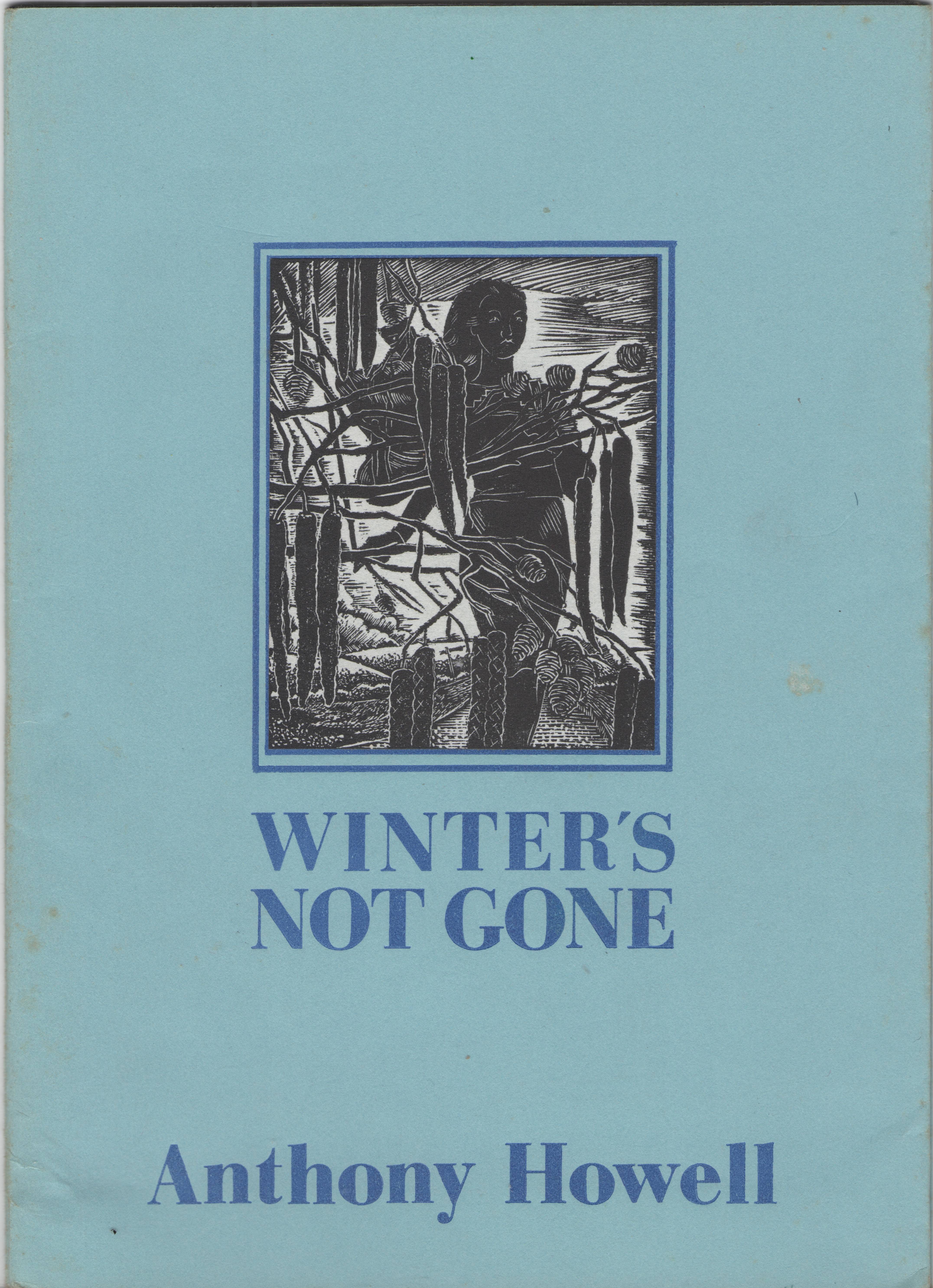
From a pamphlet published by John Welch’s Many Press in 1984 with a wonderful cover by Peter Tingey. I have just a few copies left.
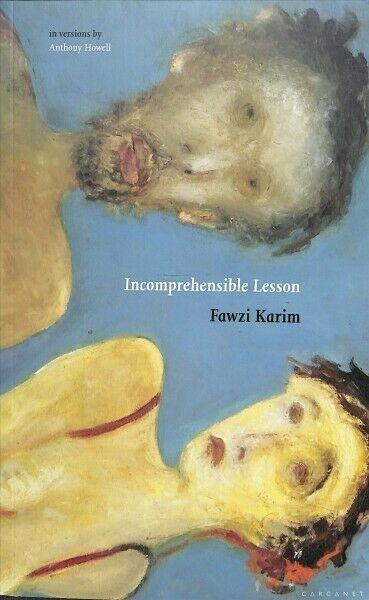
The Poetry Translation Centre invites you to attend the announcement of the winner of the Sarah Maguire Prize for Poetry in Translation.
Incomprehensible Lesson by Fawzi Karim, translated by Anthony Howell is among the five books short-listed.
Join the shortlisted poets, translators and publishers live on Zoom for conversation, readings and find out the inaugural prize winner.
SAVE THE DATEThursday 25 March, from 5pm GMTWinner announcement at 6pm
The public can watch here: I think at 7.30 pm on Youtube.
https://www.youtube.com/watch?v=q_i8uBSvbhc
Click here for further links to books by Fawzi Karim and essays about him
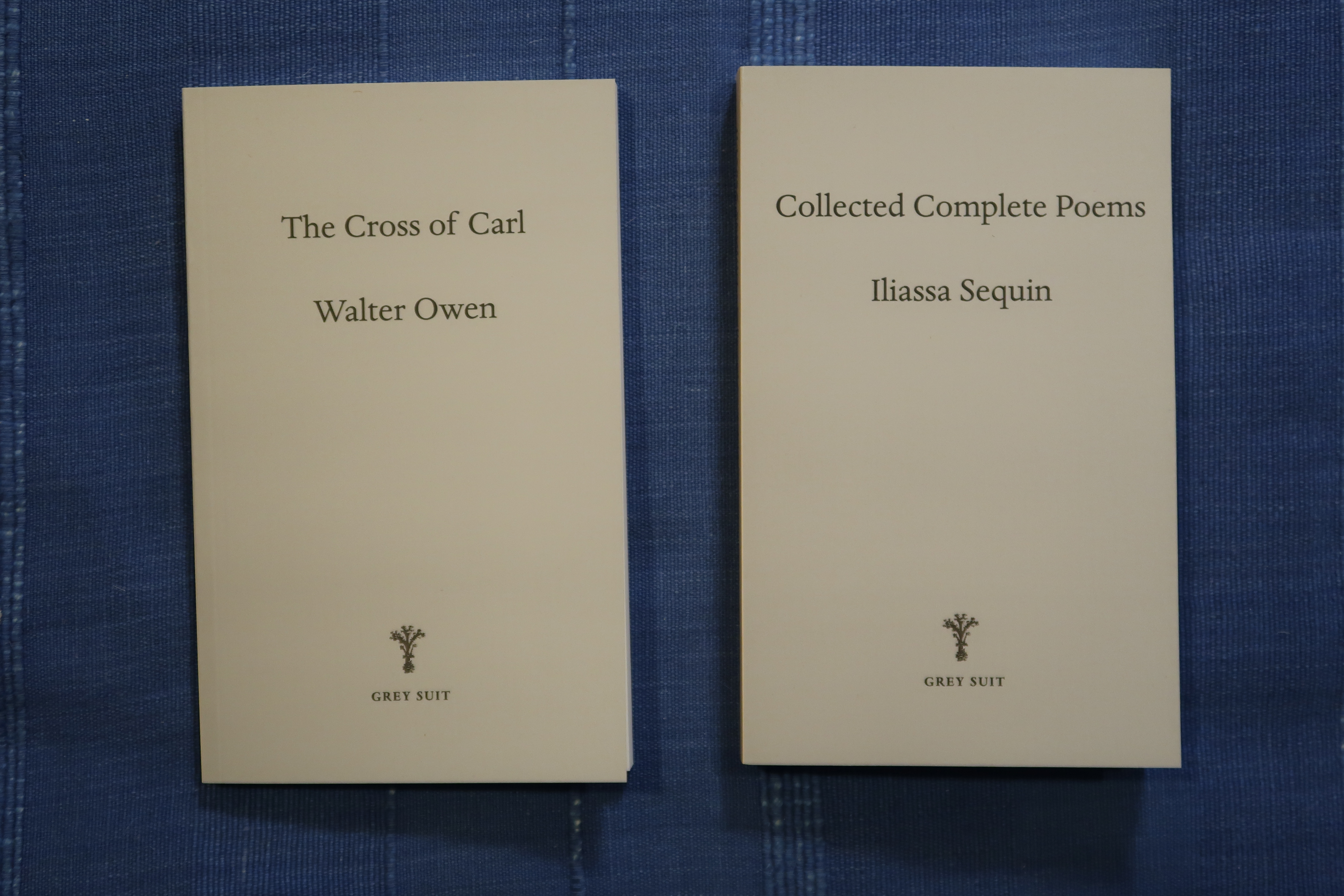
There are two new publications by Grey Suit Editions UK. Collected Complete Poems by Iliassa Sequin and The Cross of Carl by Walter Owen.
Thanks to Peter Jay, Ken Sequin, Peter Gizzi, Catherine Somers and everyone who has contributed expertise and time to these two projects we are very pleased to have published.
Scroll down the Grey Suit Editions Blog for details about more of our publications – including our chap-books. The stock of our chapbooks is being mailed from Canada, where they were originally printed and stored, and all will be available shortly.


 anthonyhowelljournal