Israel has legalised the death penalty for Palestinian prisoners
The link takes you to a damning report in Middle East Eye.
Israel has legalised the death penalty for Palestinian prisoners
The link takes you to a damning report in Middle East Eye.
x
x
x
x
x
x
x
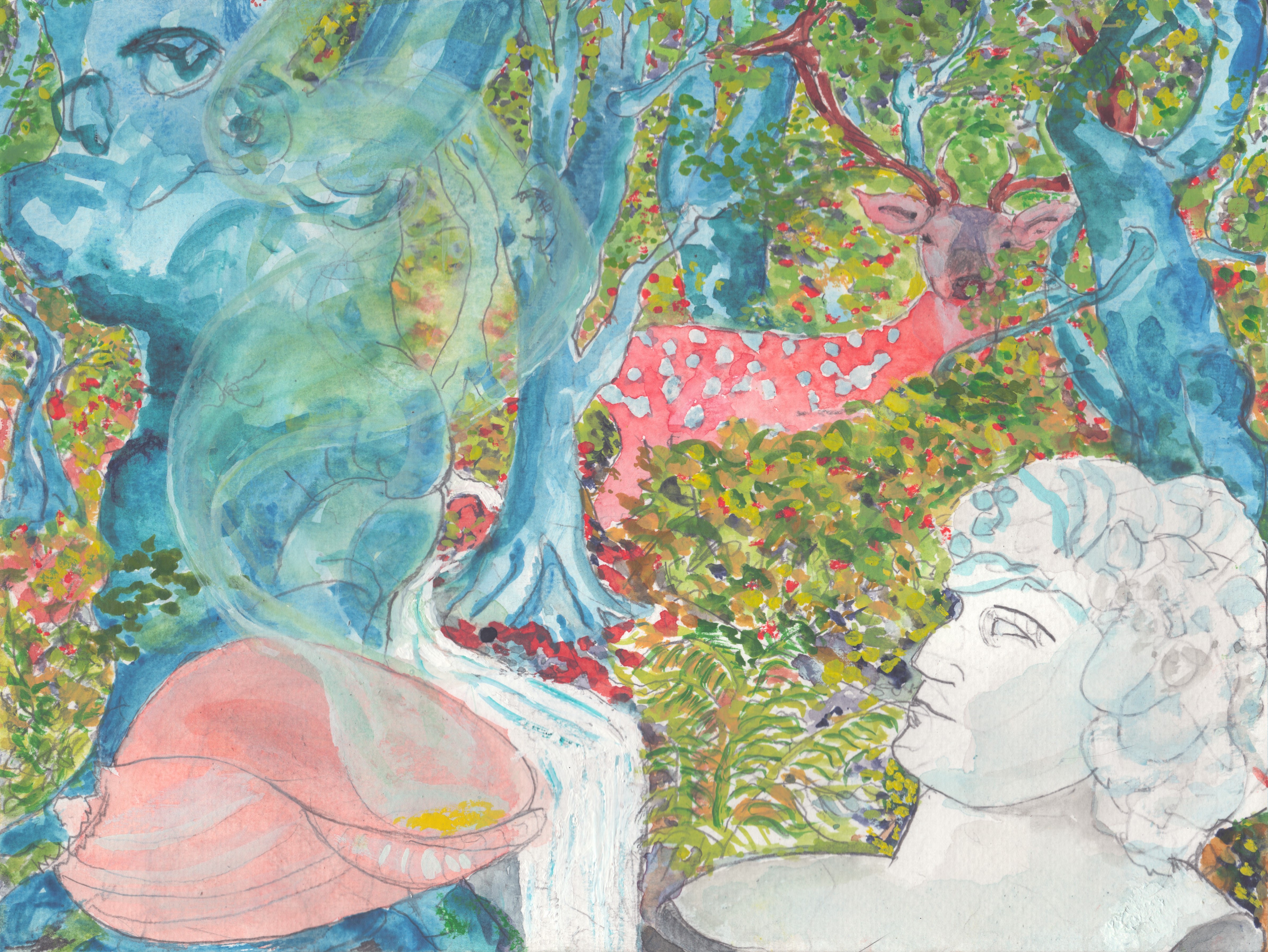
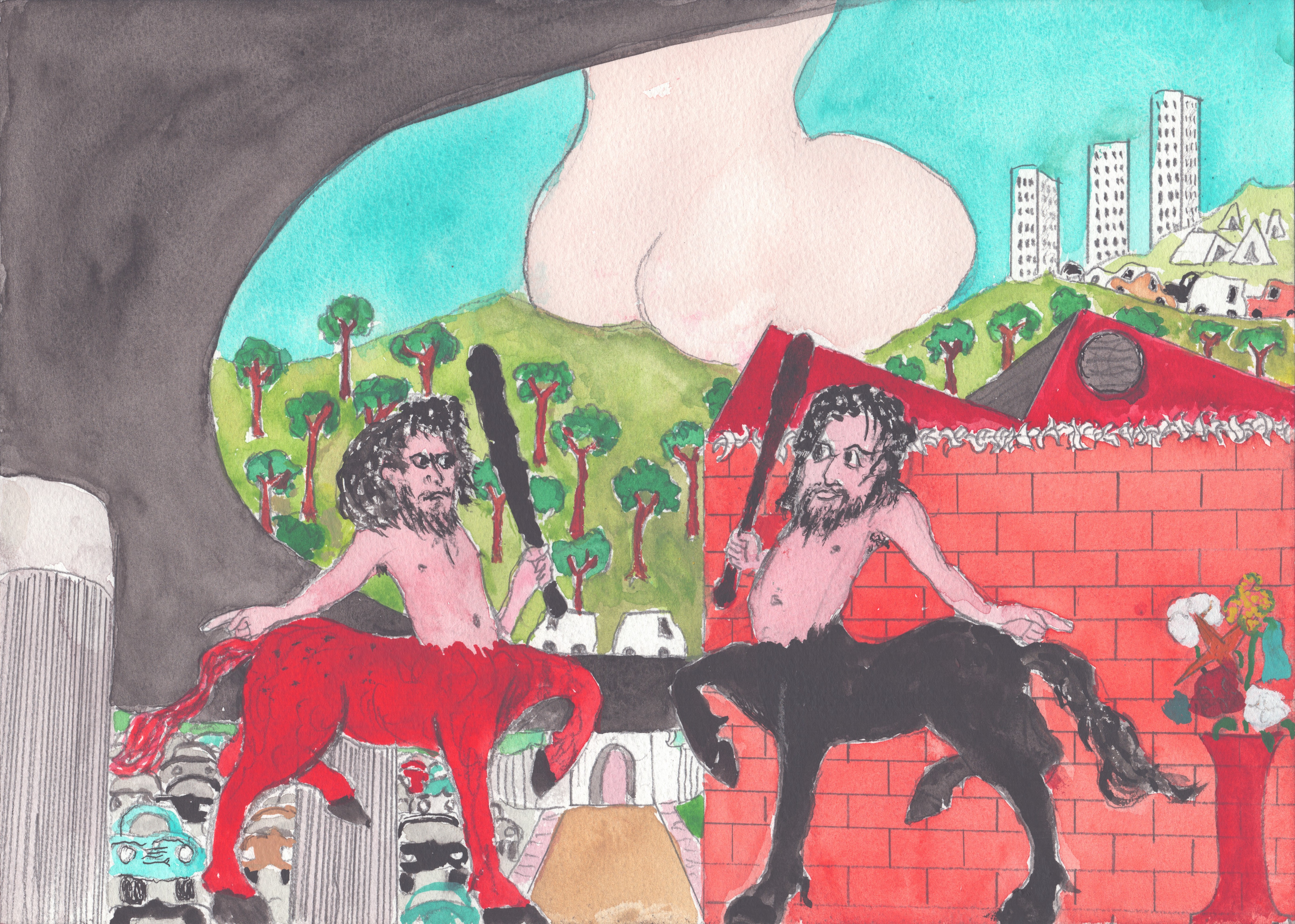
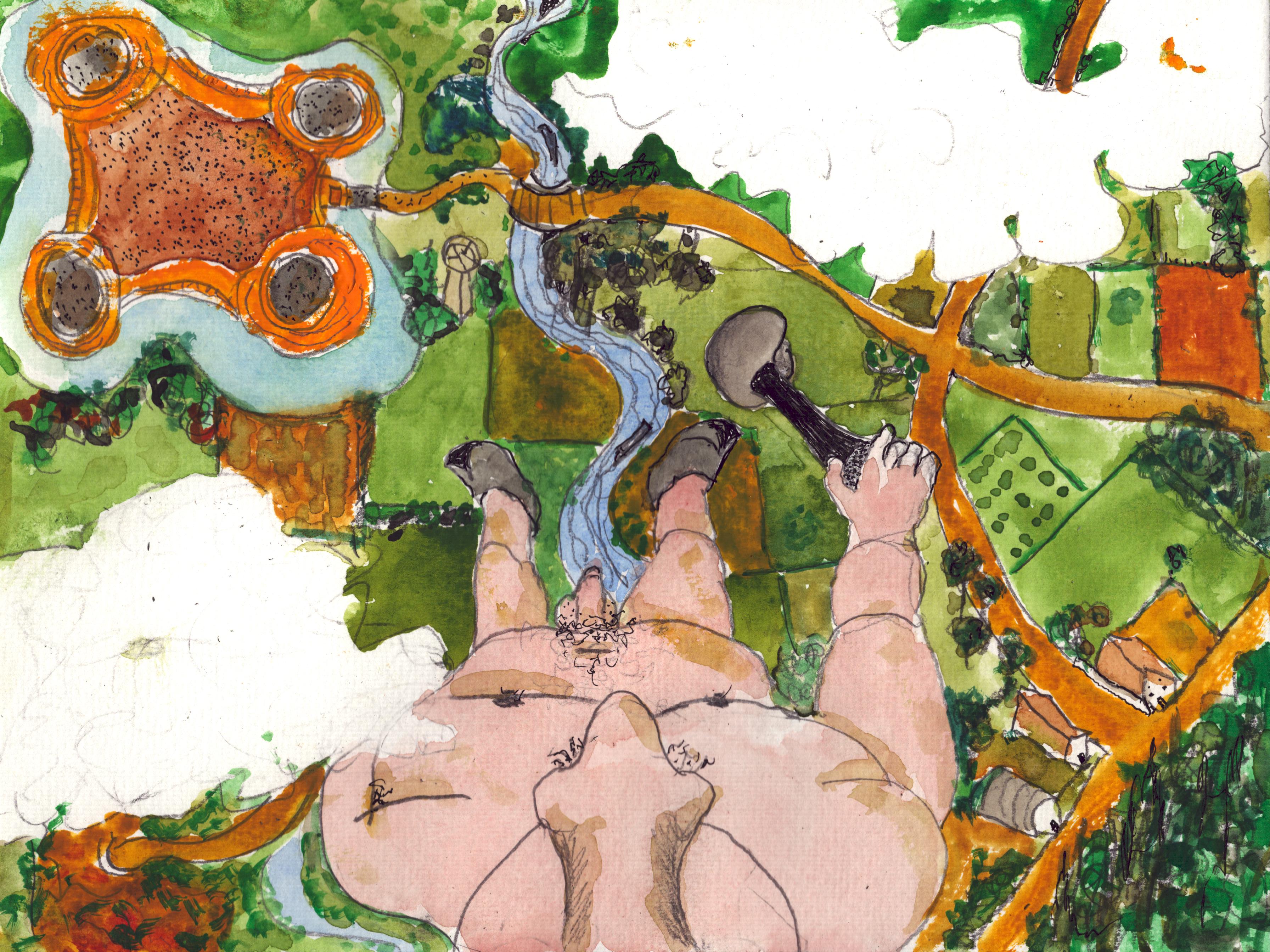
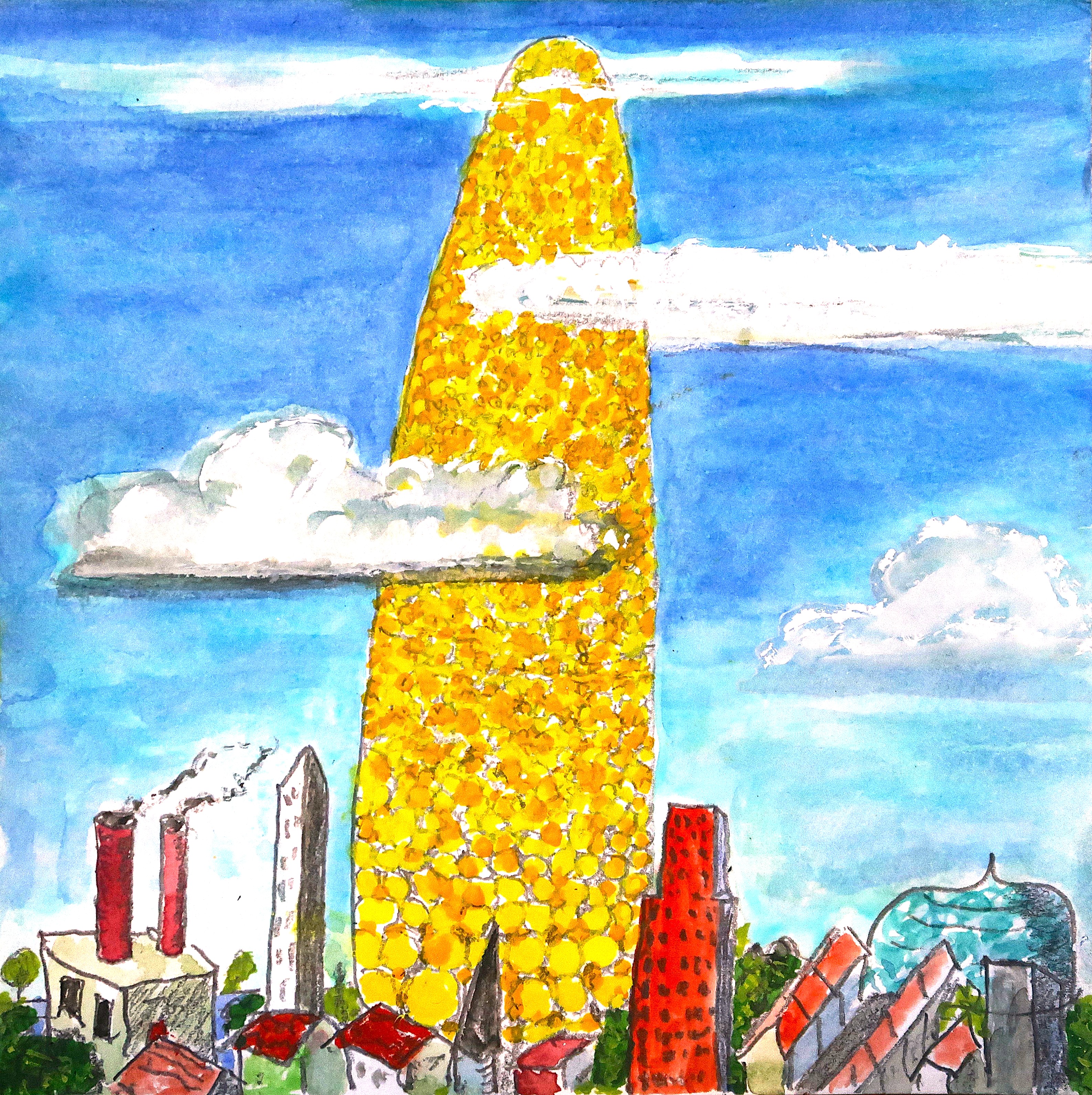
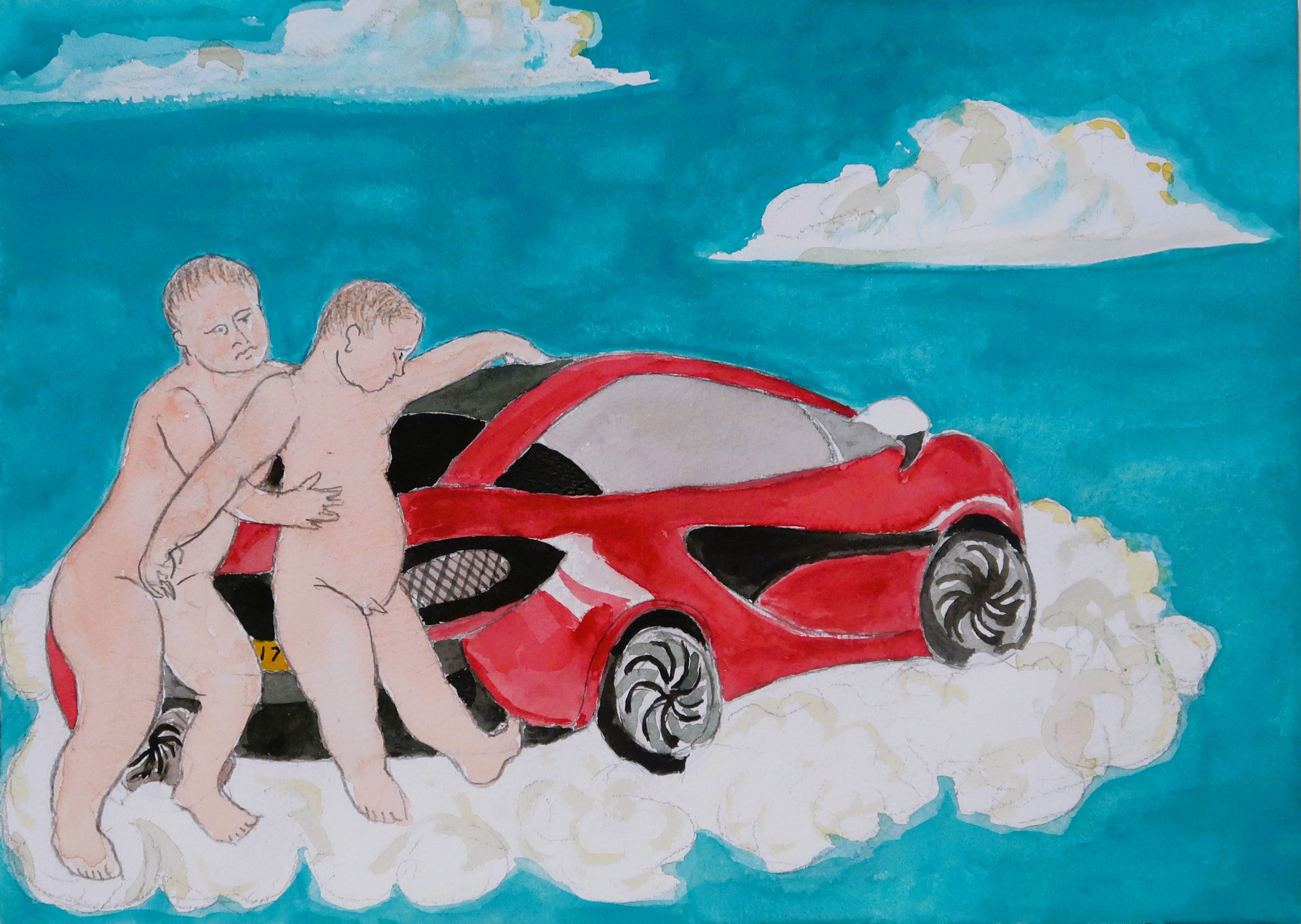
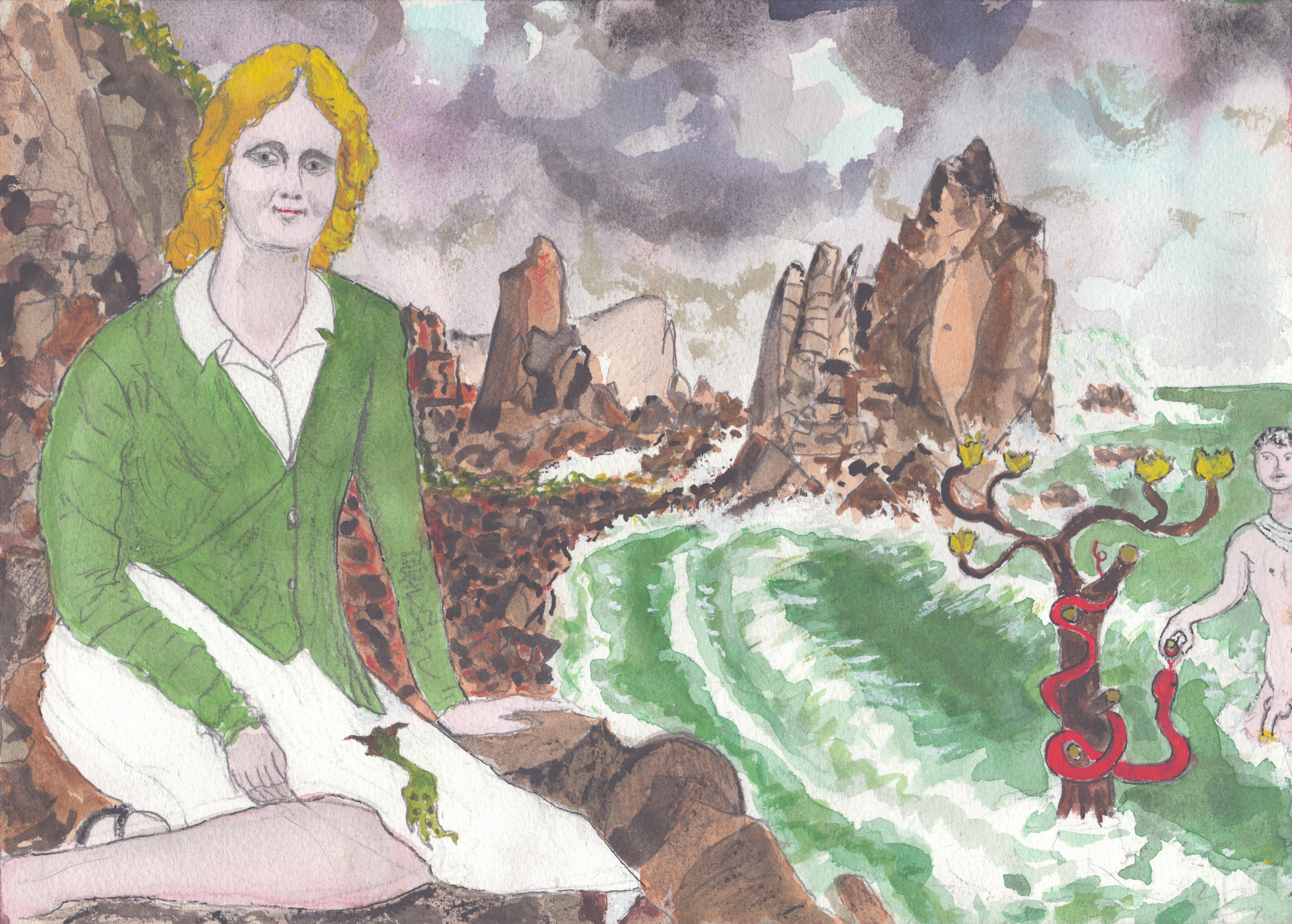
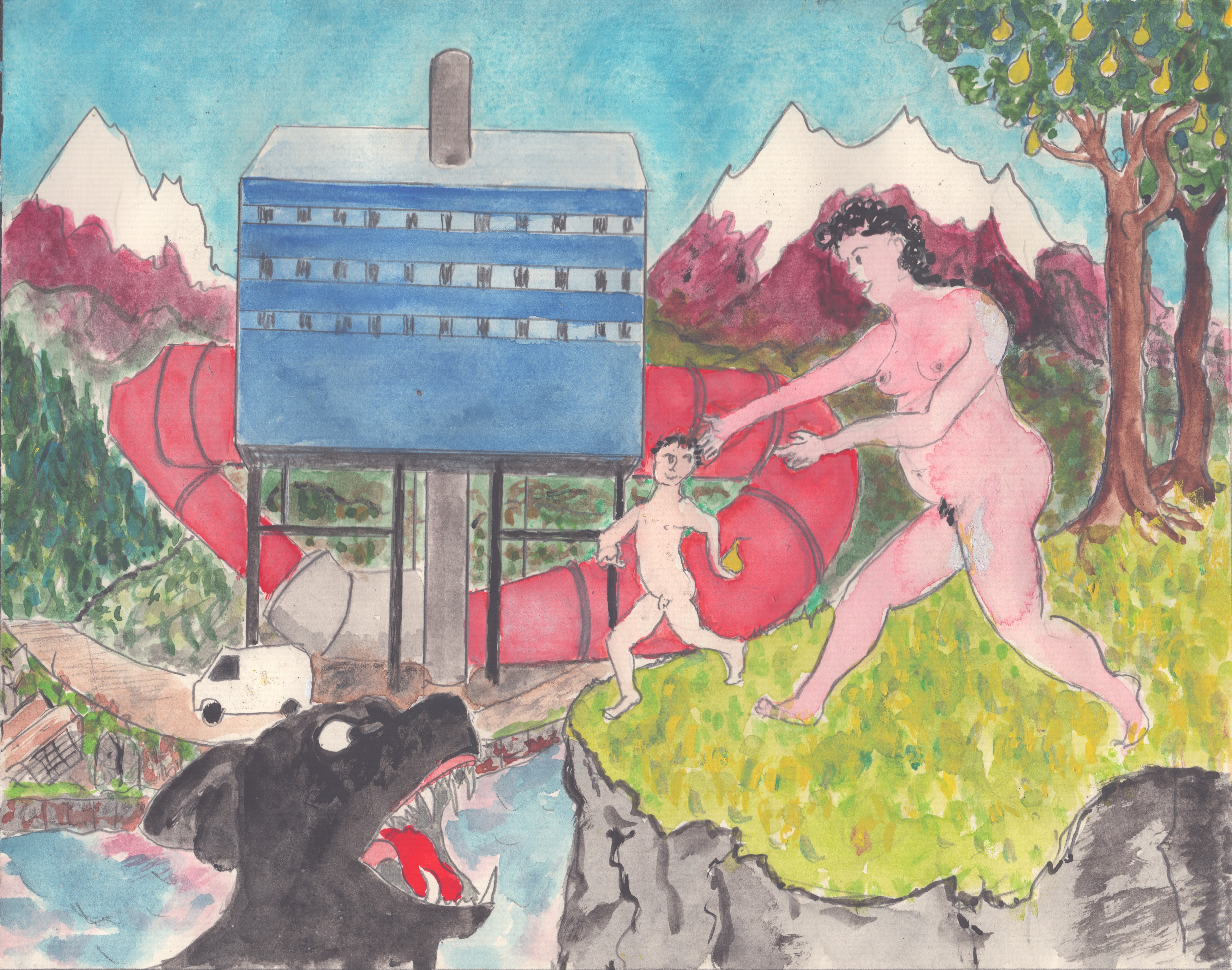
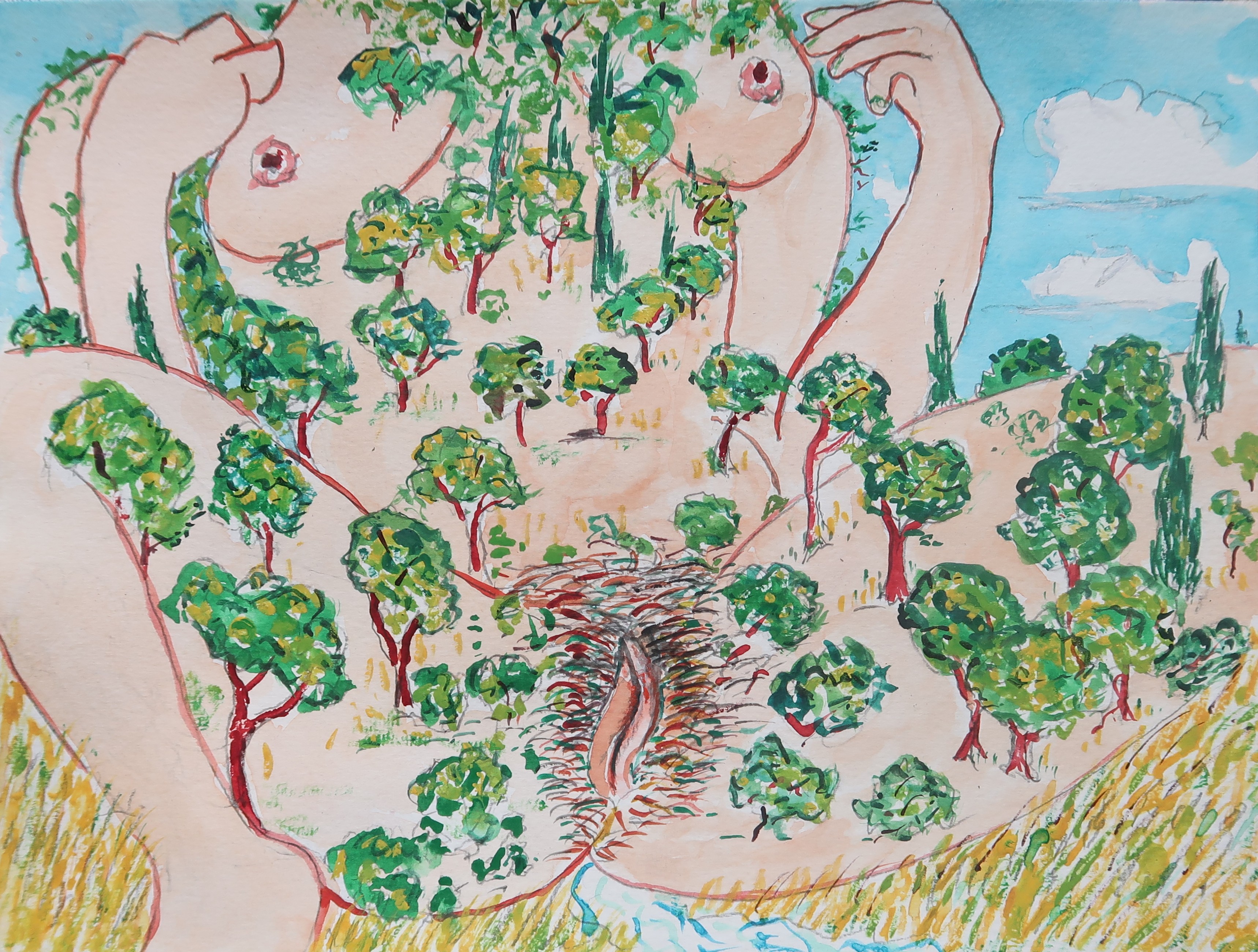
What if one reversed illustration? If the picture came first, and it was up to the viewer to give it a story?
A friend points out that this is nothing new. As this article in The Three Pipe Problem makes clear.
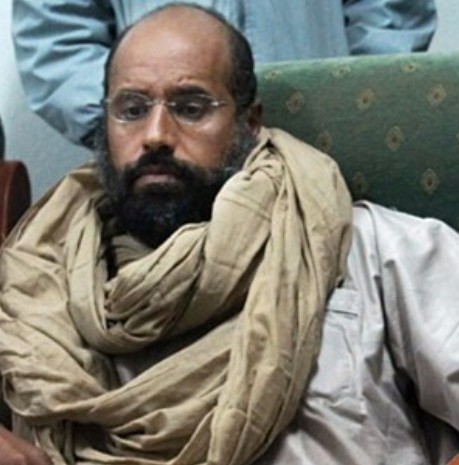
MUAMMAR GADDAFI’S SON SAIF AL-ISLAM GADDAFI ASSASSINATED
Who did it? Sources on the ground in Libya suspect that British intelligence used local proxies to assassinate the man seen by many as the one who could reunite Libya, 15 years after NATO bombed Libya into a failed state during their campaign to kill Muammar Gaddafi. Muammar Gaddafi’s Libya had the highest standard of living in Africa. It had a fully-functioning welfare state, and people could not leave its shores to get to Europe in dinghies.
France could also be implicated. It has deep motives in Libya, and we know from Wikileaks cables that France wanted a ‘greater share in Libya’s oil production’ in 2011, and Sarkozy was negotiating to reserve as much as 35% of Libya’s oil production.
We know that the US, UK, and France feared Muammar Gaddafi’s plan for a pan-African Gold Dinar currency, as well as his promoting of pan-African unity, a legacy inherited by Saif Al-Islam Gaddafi.
Saif was a Libyan political figure. He was the second son of the late Libyan leader and his second wife Safia Farkash. He was a part of his father’s inner circle, performing public relations and diplomatic roles on his behalf. He publicly turned down his father’s offer of the country’s second highest post and held no official government position. According to United States Department of State officials in Tripoli, during his father’s reign, he was the second most widely recognized person in Libya, being at times the de facto prime minister, and was mentioned as a possible successor,
Libyan news outlet Fawasel Media cited Othman as saying that armed men killed Gaddafi in his home in the town of Zintan, some 136km (85 miles) southwest of the Libyan capital, Tripoli.
Gaddafi’s political team later released a statement, saying that “four masked men” stormed his house and killed him in a “cowardly and treacherous assassination”.
The statement said that he clashed with the assailants, who closed the security cameras at the house “in a desperate attempt to conceal traces of their heinous crimes”.
Khaled al-Mishri, the former head of the Tripoli-based High State Council, an internationally recognised government body, called for an “urgent and transparent investigation” into the killing in a social media post.
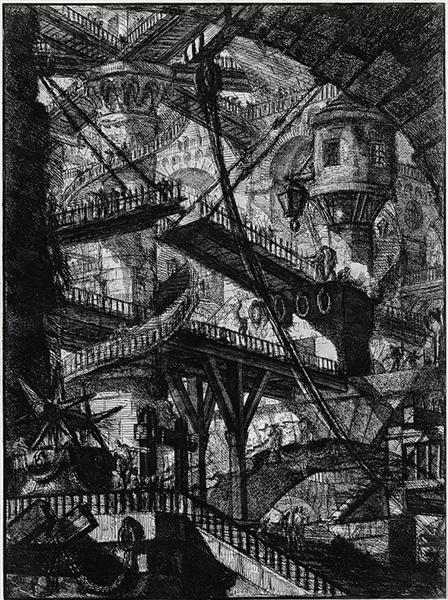
The Vintage to the Dungeon – a poem by Richard Lovelace
I.
Sing out, pent soules, sing cheerefully!
Care shackles you in liberty:
Mirth frees you in captivity.
Would you double fetters adde?
Else why so sadde?
Chorus
Besides your pinion’d armes youl finde
Griefe too can manakell the minde.
II.
Live then, pris’ners, uncontrol’d;
Drink oth’ strong, the rich, the old,
Till wine too hath your wits in hold;
Then if still your jollitie
And throats are free-
Chorus
Tryumph in your bonds and paines,
And daunce to the music of your chaines.
x
Lovelace is perceptive. As a poet, it is no good just protesting about your grievance. However horrific the abuse you may be wishing to tell us about, there has to be a music to the telling.
See also Richard Lovelace
x

x
The children keep disappearing. They vanish, into thin air.
From Little Saint James, Khan Unis or Khartoum,
Tampa, Columbus, Baton Rouge, the children keep disappearing,
Just as they did from the view of Théophile de Viau
And Rétif de la Bretonne, or from the back of a van
Driven by Marc Dutroux through Luxembourg or Belgium;
From Kiev to Dolphin Square, their destiny’s a shallow grave
Near Epping. Hardly missed, they disappear.
x
Am I disappearing too? Empty inside my long black raincoat,
Marching again, the invisible man, among the deafening
Drums, the dancing protesters; one of the molesters though,
By and by, on some porn-site owned by a rabbi –
Just as a Jesuit might pimp you a fresh young sinner
From the refectory after dinner back in the days of Louis Seize,
There’s no need to confess my sins since they’re uploaded
Onto the cloud. Is that where the children have gone,
x
Uploaded onto a cloud, after having served their virgin
Purpose servicing some billionaire in London or in Washington?
Bump into me so that you know I’m there. So that I know
I’m here. Marching along while the children disappear.
x
x
x
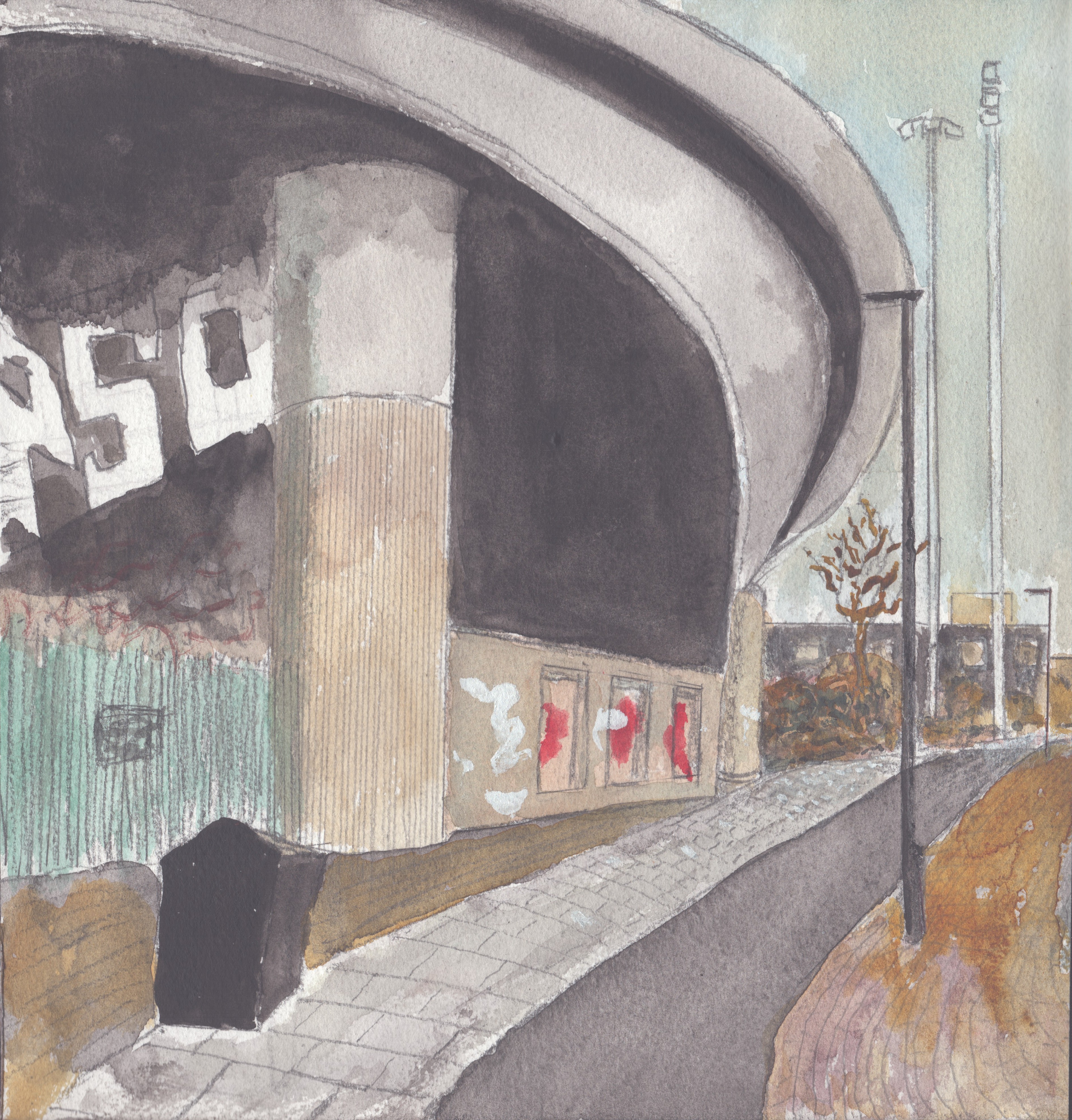
It is not easy to create emptiness.
What should you tip it into? A deserted square,
Possibly by moonlight? Time is the perspective
Lending it a depth. Here, in an abstracted way,
Melancholy toys with metaphysics.
Emptiness recalls all the lost entirety which can just be
Filled with things, things raining down on one,
x
In Leonardo’s case. In Durer’s, plethora of aids
Helping the muse to ponder as to what the end may be
To pondering that emptiness within. A road which simply
Ends at a river’s bank. Here one waits, immobile,
For the non-existent ferry, which, being out of the frame
Cannot be said to exist. When we saw the deer,
Having got lost enough to do so, did I not also hear her
x
Who I scattered there? Long indeed have I lain dead
In such an earth as can rightly be said to perish
That a new earth may rise from the depths, were its waters
Not simply bottomless. By cold rains have I been beaten,
And by many dews made wet. Snow has covered me
In its drifts, and yet I am not emptied of regret.
Emptiness waits for the ferry, here by a river to be crossed:
x
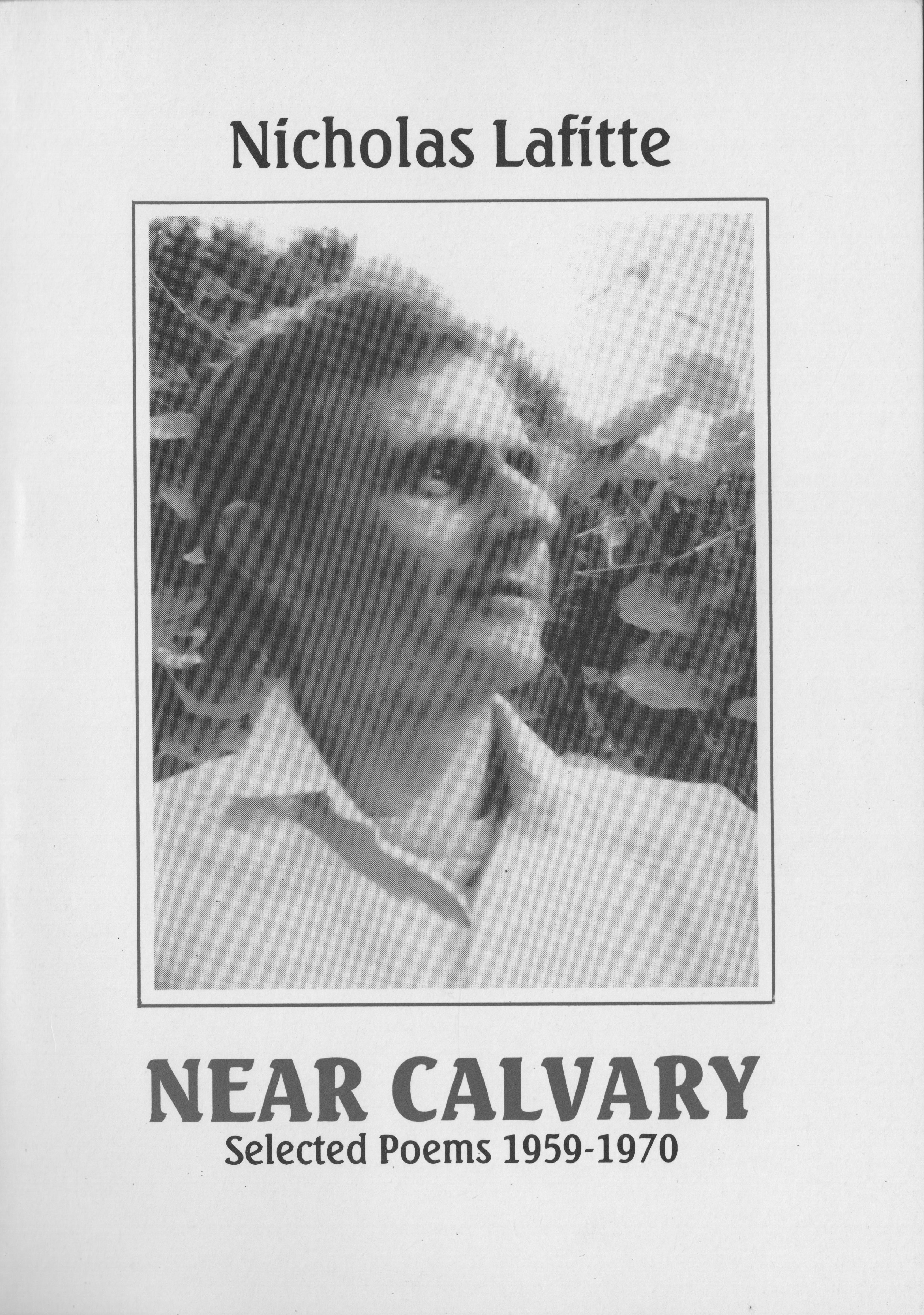
As a further tribute to John Welch – who published this seminal collection by Nick Lafitte:
Alan Morrison on
Nicholas Lafitte
Near Calvary – Selected Poems 1959 – 1970, The Many Press ISBN 0 907326 20 X
No Macro Lover
Nicholas Lafitte committed suicide at 27 after a long battle with schizophrenia. Arguably this highly gifted poet threw away, along with his life, a greater literary legacy. It’s probably best however to refrain from such speculations and resist the temptation to billet Lafitte with the likes of Douglas, Keyes et al. Anyhow, he did live and write for at least three years longer.
Lafitte is more of an obsessional than confessional poet; more a Plath than a Lowell, with the odd lyrical smatter of Lorca. His poetry swings between polarities of stark intellectualism and morbid religiosity reminiscent of the ‘mania’ of Christopher Smart (the title ‘The Madman Compares God To A Great Light’ says it all). It would be shallow to put this down to schizophrenia; there’s evidence of deep ontological concerns which are perfectly rational, if a little obsessive.
Lafitte’s style can be stream-of-consciousness:
It is the leopard-coloured sand
You see, supine beneath these, ultimate
Fins of the sea-scales I lie
On the sea’s edge, a heavy sand to be squeezed
As who would squeeze a flannel with my one
Eye against the sun I see the sheer
Rock face soars up unperspective-
Wise to where trees shatter the sky
(‘This, Is The Sea’).
It can be casual and direct like the Roman love poets:
Love is not loving or being good or kind,
is rather a sort of shared disturbance
in the emptiness, ripple in a pool of
bleakness. To say I love you as you once said
to me does not demand a gesture like, say,
a valentine or kiss. Love is.
It can be supremely descriptive: ‘the damson twilight, half creamed clouds/Of smoke hung like laundered sheets from the beamed/Roof tree’ (‘Evening Over Malta’); ‘the trees scorched ochre, chrome yellow’ (‘And the blue grass taut and dry’). It can be succinct and evocative: ‘men,/with freckled hands sip beer in silence’ (‘To A Sicillian Prostitute’).
Typically of many mentally afflicted poets, Lafitte invests a neurotic animism in the anxiety-free natural world: ‘The old wasp/Sun stings the window pane’ (‘To A Sicillian Prostitute’); ‘the January sun/Must always dwarf the summer, see/How it stretches skies across the city’s black!’ (‘Poem For Robert’); where the evening is a yellow glass,/And battered crows comment scornfully’ (‘Seven Last Words’); ‘The pathology of autumn synchronises/ Breakdowns with the falling of the leaves./A neurotic sun travels round the sky’s rim’ (‘In The Clinic’); ‘Climate is mortality’ (‘Calvin’s God’).
Some phrases of Lafitte’s read like sections of Van Gogh’s paintings: ‘knives of rain’; or Max Beckmann’s: ‘oiled existence skins’.
‘In The Clinic’ is the accessible mental illness piece which had to be written, but still surprises metaphorically: ‘November is/The staff nurse with the clinical smile’. It includes the motif of the head as a helmet which crops up sporadically throughout the collection: ‘Schizophrenia’s/Worse, that’s when you wear a balaclava/Helmet in the summer’.
Lafitte’s introspection is limitless: ‘I am no macro-lover,/nor even very nice’ (‘If There’s God Above The Blood-Bathed Heavens’). It verges on the solipsistic: ‘I AM MY WORLD’ (‘Homage To Wallace Stevens’).
Lafitte is gripped in a morbid theology, a faithless faith blighted by a questioning intellect:
There is no final metaphor. Only this,
Inevitable, fidget with the images.
Canterbury carried by anthropomorphic
Frenzy demands male ministers.
At the end of this piece Lafitte, as if exhausted with trying to sum up the ‘sensed otherness’ of spirituality, sighs a final metaphor: ‘men fumbling with matches in the night’ (‘Thoughts At Night’).
Some parts of this collection read like a philosophical self-help pamphlet getting in a bit of a tangle. Lafitte is a soldier of doubt who comes through the smoke of the battlefield in spite of himself, in spite of his final act. His mastery of poetic styles is breathtaking as is his descriptive inventiveness. He is only let down by occasional over-theologizing.
So is Lafitte’s philosophical epitaph to be: ‘My god has gone; we are all/alone now, each in our desperate bed’ (‘Letter from Mwanza’)? Powerfully typical of this poet’s gifted pessimism, but I prefer: ‘Yet shall/My love endure the summer of my strength’ (‘Seven Last Words’).
Originally published as ‘No Macro Lover’ in Poetry Express 19 © 2004
See also Two Unforgettable Poets
x
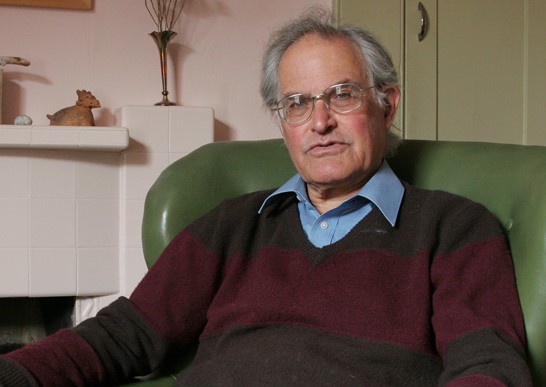
HIS BOOKS
When the poet died
What happened to his collection of books?
There were four or five shelves of poetry.
The dealer who came took only a few
The collectable ones with signatures, greetings.
Now the poet’s widow is baffled.
She surveys them spread out all over the floor.
‘I don’t want the shelves
Completely bare’ she had said
‘But look, there are far too many’.
I imagine the poet’s final moments. He’s thinking
‘Why is there suddenly all this space inside me?’
As he finds himself slipping away
Sideways then up, high into the air.
Perhaps he looked back down
And saw the books still safe in their shelves
And then they were trying to rise up
On only one wing, to join him
But being held back by the substance of paper
Here they are now, all over the floor
In their awkward, toppling piles.
John Welch
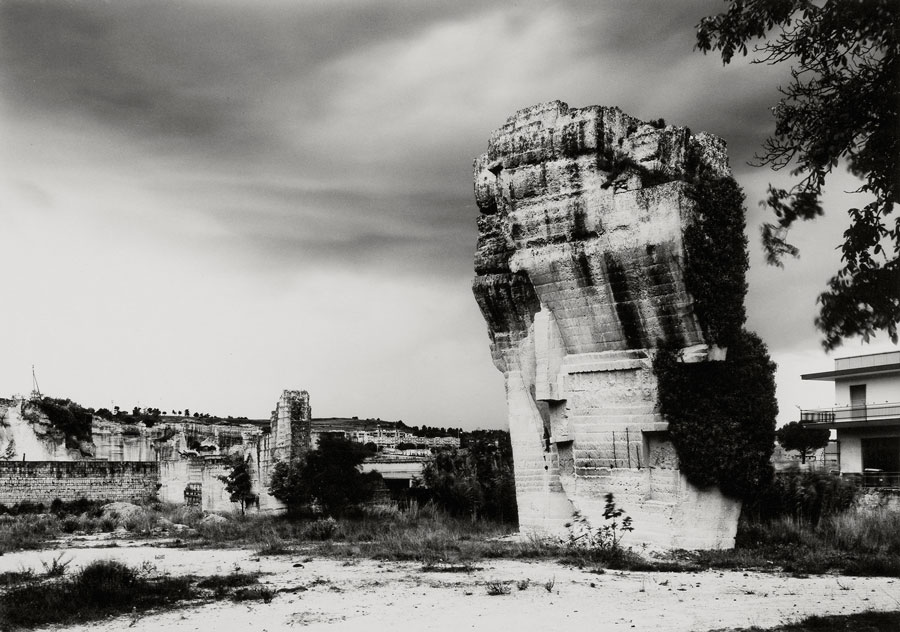
METAPHYSICAL ITALY
Beautiful photographs by George Tatge.
b.1951
Italian-American photographer George Tatge studied English Literature at Beloit College, Wisconsin. Tatge moved to Italy in 1973 and began working as a freelance photographer and writer. He served as Director of Photography at the Alinari Archives between 1986 and 2003. Tatge was awarded the Premio Friuli Venezia Giulia Photography Prize in 2010. His work is represented in major public collections, including the Metropolitan Museum of Art, New York, and the Centre Canadien d’Architecture, Montreal.
x
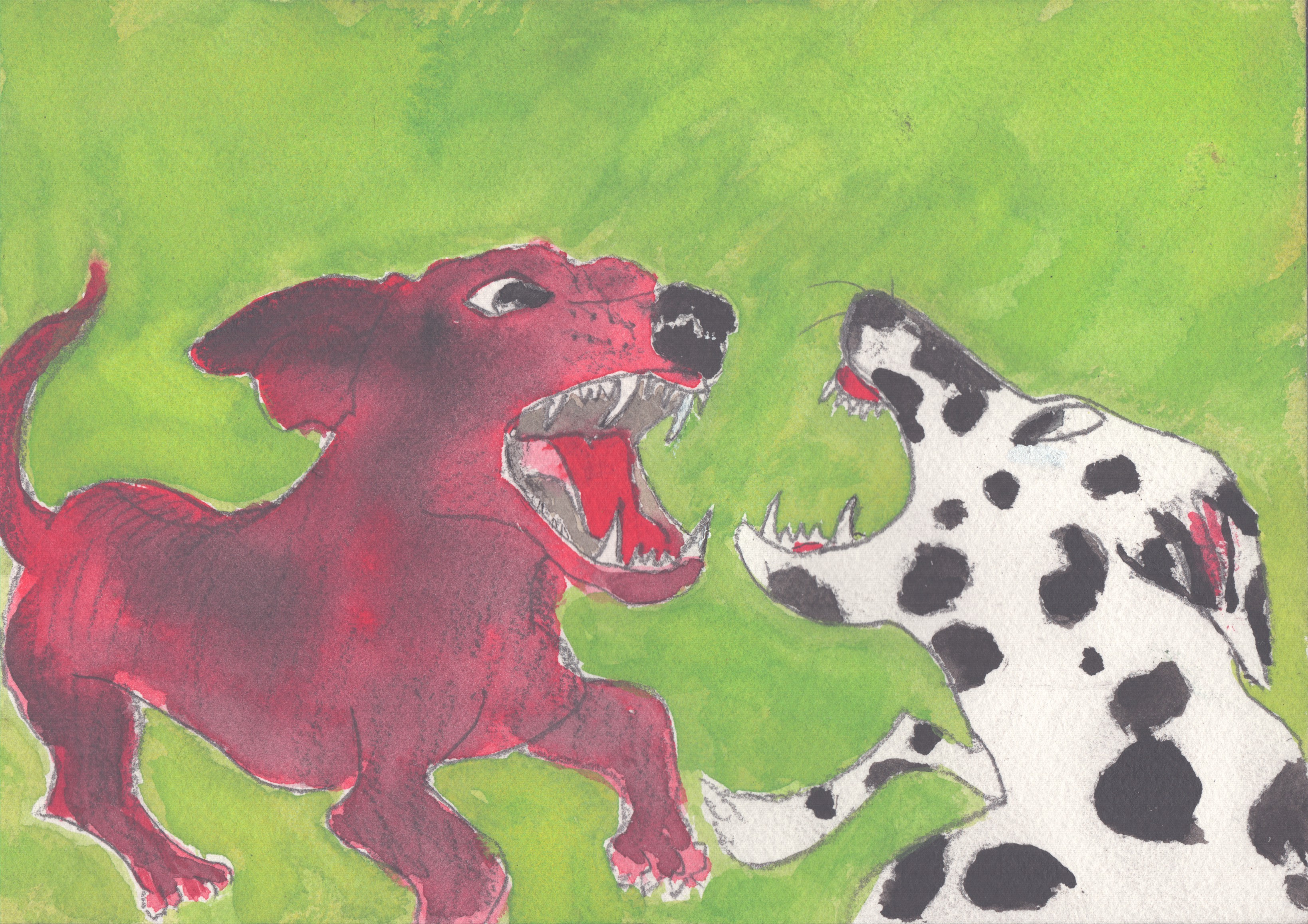
I was a war widow’s only child.
Her mother was a frightful tease.
She would say anything to get a rise
Out of my mother or me.
A war widow herself,
She lived with her house-keeper
As my mother did with hers.
Bickering was common enough.
x
The rule was, we quarrelled and forgot.
Sometimes I forget that others
May not forget the hurt
As easily as we forgot our spats.
So if I have hurt any one of you in the past,
Please do not nurture it.
I’ve forgotten who I snapped at last.
Forgive me. I have always been a bitch.
x