Until now I have not been a fan of Bollywood movies, but I watched Mardaani 1, which came out in 2014, directed by Pradeep Sarkar, and written by Gopi Puthran. I found it full of suspense, informative, quite terrifying and very well acted. So I watched the two follow-up movies (Mardaani 2 and 3) on Netflix over the next couple of nights.
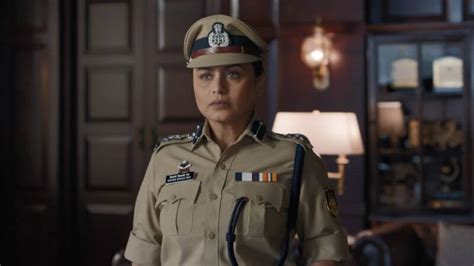
In the first film, Rani Mukerji plays Inspector Shivani Shivaji Roy, who works at a Mumbai Crime Branch and sets out to confront the mastermind behind a child-trafficking mafia. Based on actual events, and dealing with very real issues, the Mardaani films address the abuse of women and children. The details of these activities are horrifically shown, and backed up by Indian national statistics. There is an absence of what I believe is called “naach-gaana” – that is, the gratuitous inclusion of song and dance routines, which is so irritating in Bollywood movies. This is a thriller, and Shivani Roy is a detective with a style as distinguished as that of Sherlock Holmes or George Smiley. It’s iconic stuff, and Gopi Puthran has created an unforgettable character.
Rani Mukerji is not a conventional female star. What distinguishes her is not her sexiness. She is middle-aged, sturdily built. But, as the inspector, she has an indominatable determination. She is knowledgeable and skilled in every aspect of detection. She’s sharper than her somewhat conventional and possibly corrupt male superiors. She is tough, and very well trained in martial arts. This is convincingly shown. The fight scenes are well considered and tightly done. We believe it when she overcomes an opponent.
Her criminal foes are also brought to life with a depth of psychological understanding. Some are men, some are women, and all of them are despicable, but we are led into their minds in a way that Andre Gide would have applauded. The acting is fantastic throughout this sequence of films. But as is remarked in the first film, “This is India”. Although working as a uniformed officer of the police department, this formidable inspector is far from being an acceptable notion of an officer of the law. When she wants a confession, she’ll have a culprit hung from the ceiling by his ankles. He’ll be water-boarded. Shivani is a tiger, and, when in a fury, she will kill. Very often, the punishment she metes out will fit the crime, and the crimes she uncovers are far from pleasant.
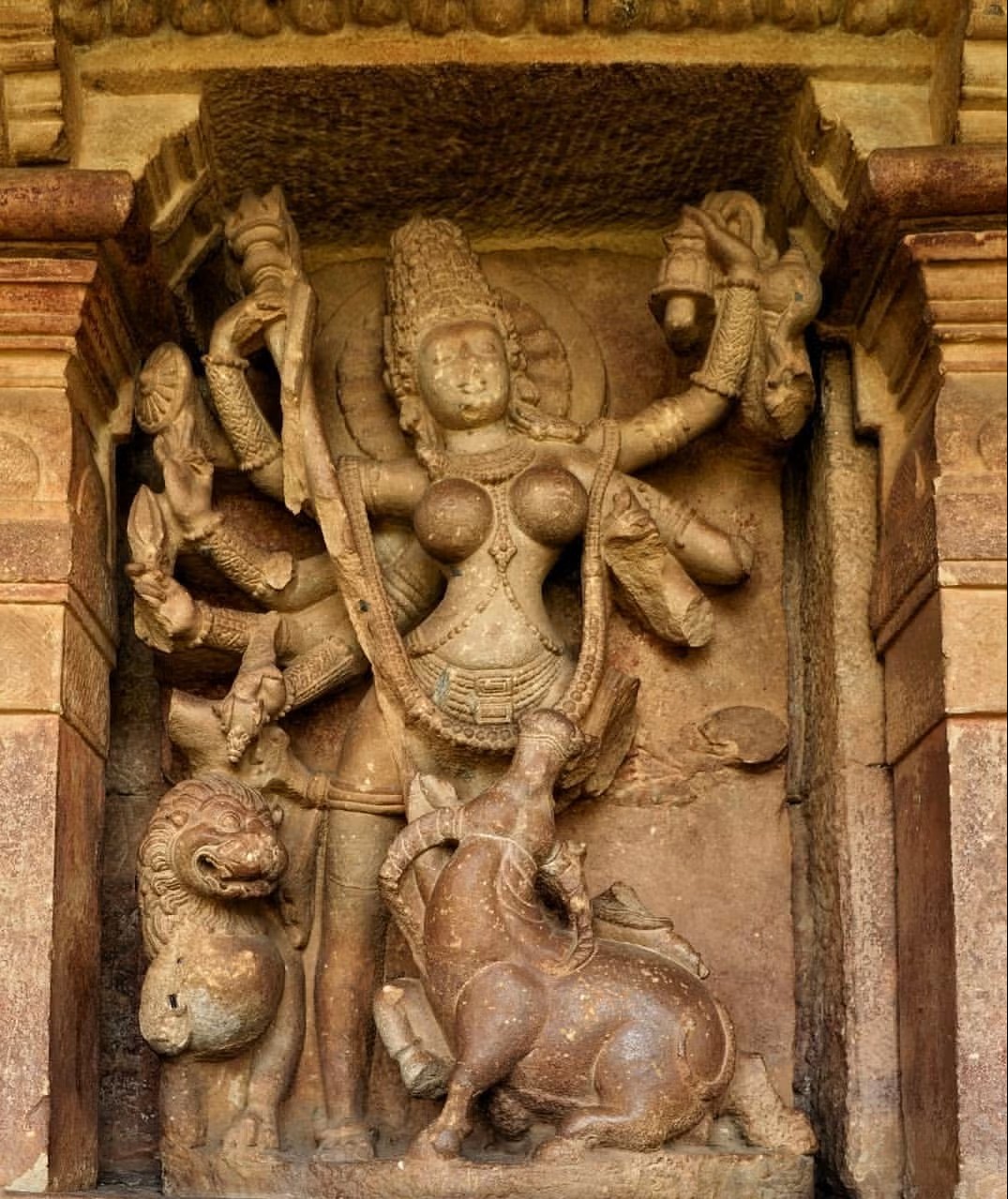
Thinking about these films later, I realised that they are not created in a Western mould. That is what makes them both exciting and alarming. I realise now that Shivani Shivaji Roy is the incarnation of Durga. This great Hindu goddess is regarded as the principal aspect of the Ultimate Reality in Shaktism and widely worshipped by the followers of this goddess-centric sect, and she has importance in other denominations like Shaivism. Durga is associated with protection, strength, motherhood, destruction, and wars. Her legends centre around combating evils and demonic forces that threaten peace, dharma and cosmic order, representing the power of good over evil. Durga is considered a motherly figure but usually she is depicted as a warrior, riding a lion or tiger, with many arms, each carrying a weapon and defeating demons. She is best known as Mahishasura-mardini – for slaying Mahishasura—the buffalo or gaur demon. Note the title to these films – Mardaani. I wrote about Durga in Book 1 of my epic poem The Runiad:
Durga who rides on the tiger inside her
Now takes the place of that heavy-breasted mother
Made for pregnancy alone. For Durga’s no Sheila-Na-Gig.
You don’t get into her easily. An ace at Sanam Takraw,
Her thighs will break an assassin’s neck like a match-stick.
Put together from the parts of warriors, is she all violent fathers
In a daughter’s clothing? One consumed by loathing
x
For her sex’s “frailty”? Durga dealt with the gaur goon
Who did a deal with Brahma. Being denied eternal life
His yesmanship for the god gained him the right to be slain
Only by a woman – which he reckoned guaranteed
An unextinguished career, given the gaur he chose to appear.
Then Durga took his fancy, and she told him she would only mate
With a chap who could beat her in combat. Not with a sap.
x
That sounded good to this pumped-up buffalo anti-god.
Bring it on, he bawled, erection already affecting his cock.
Riding on her tiger she engaged with him, this minotaur
Who changed into a lion Durga despatched with a rock
As he became an elephant whose trunk she tied in a knot,
And when he was out of shapes into which to shift she slew him,
Tore off his head with her teeth, disconcerting all who knew him.
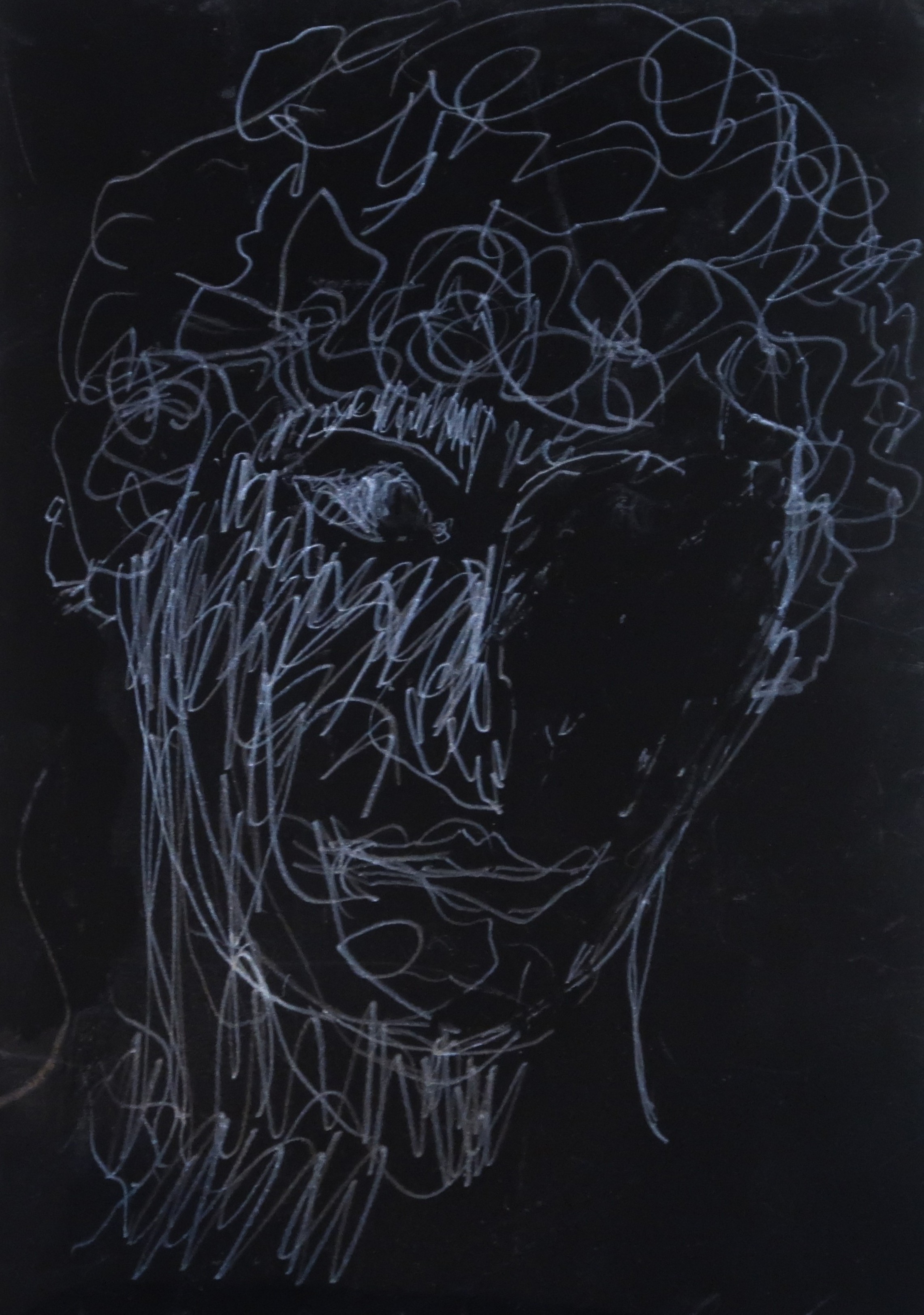
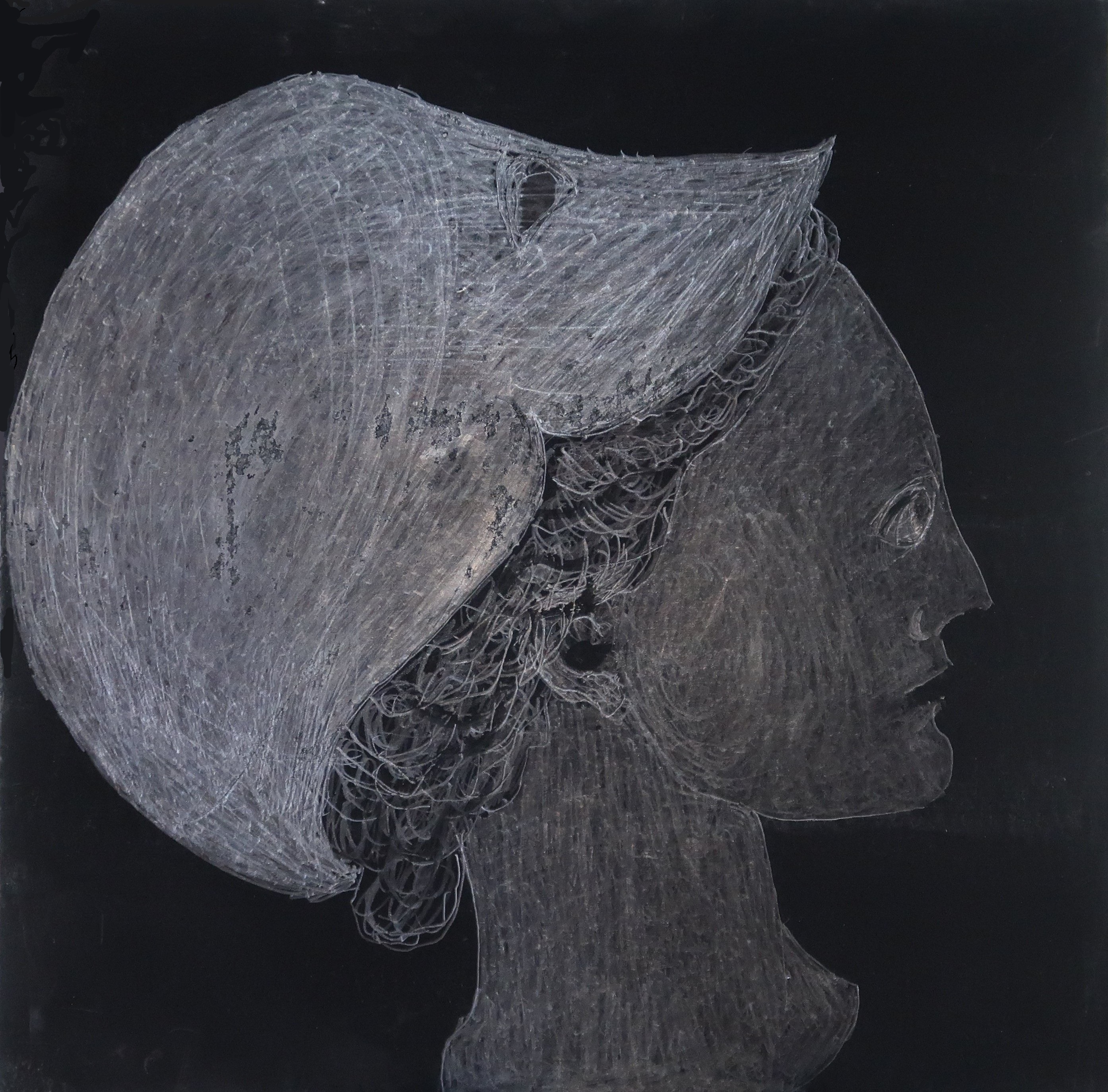
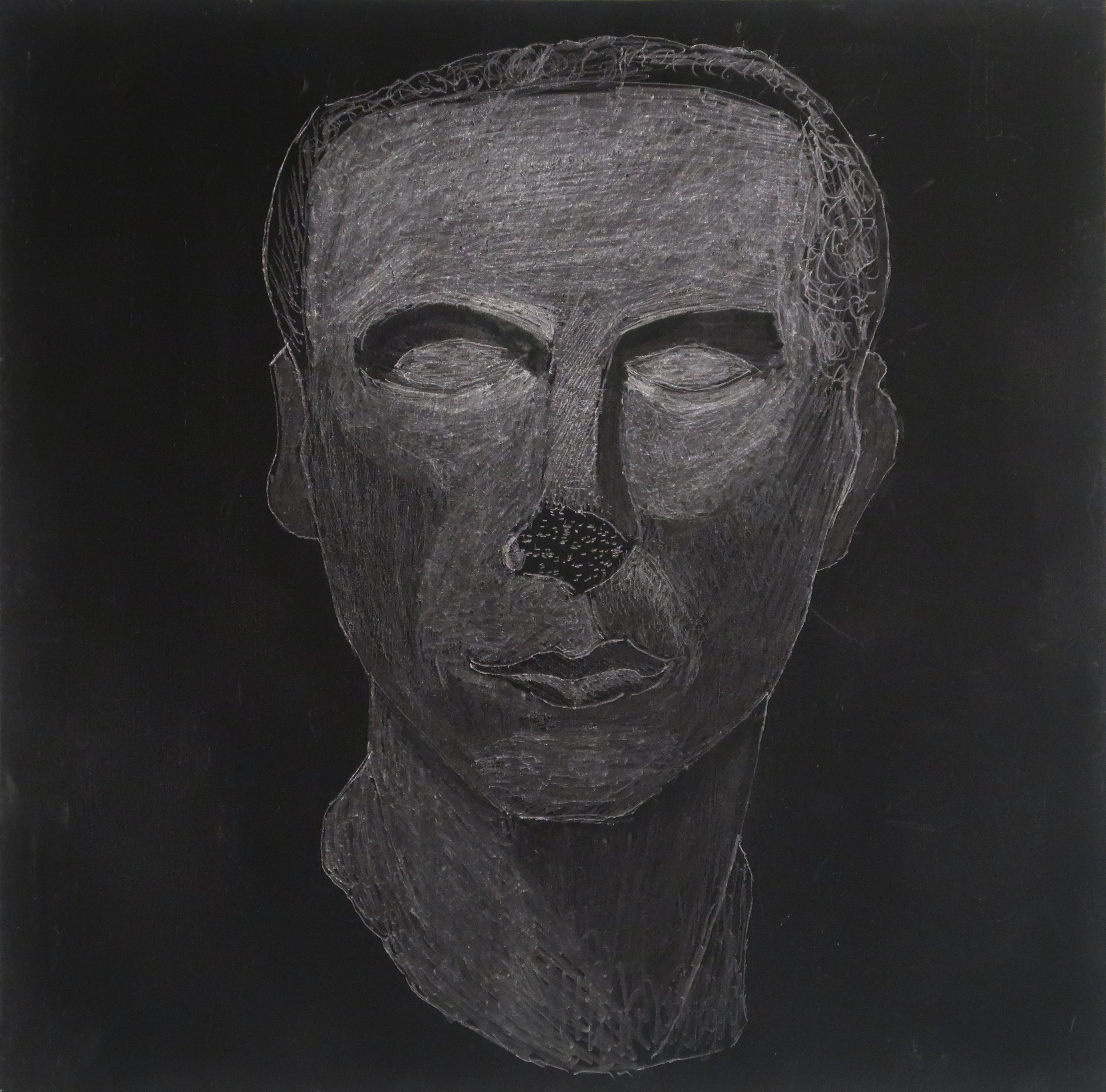
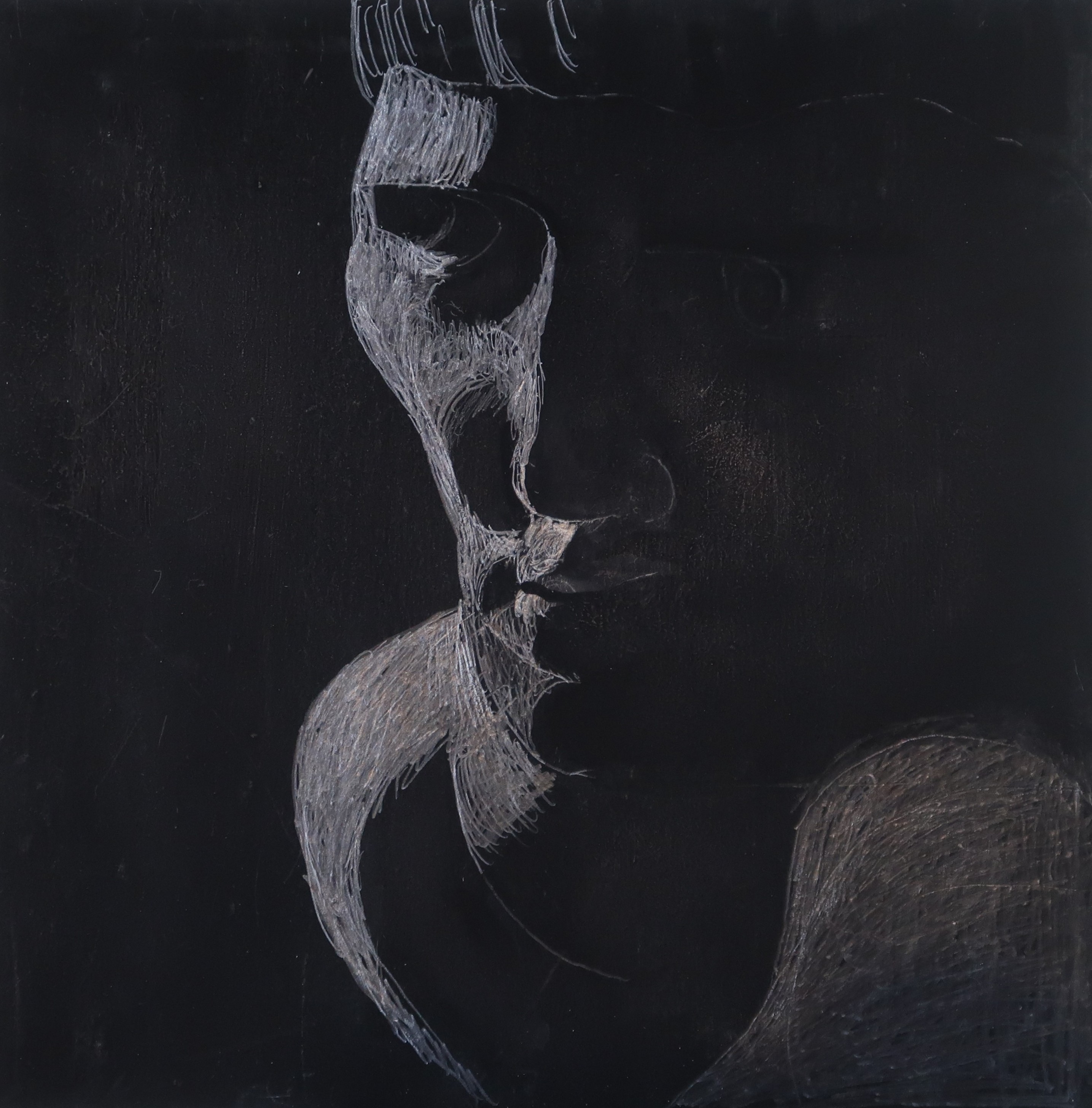
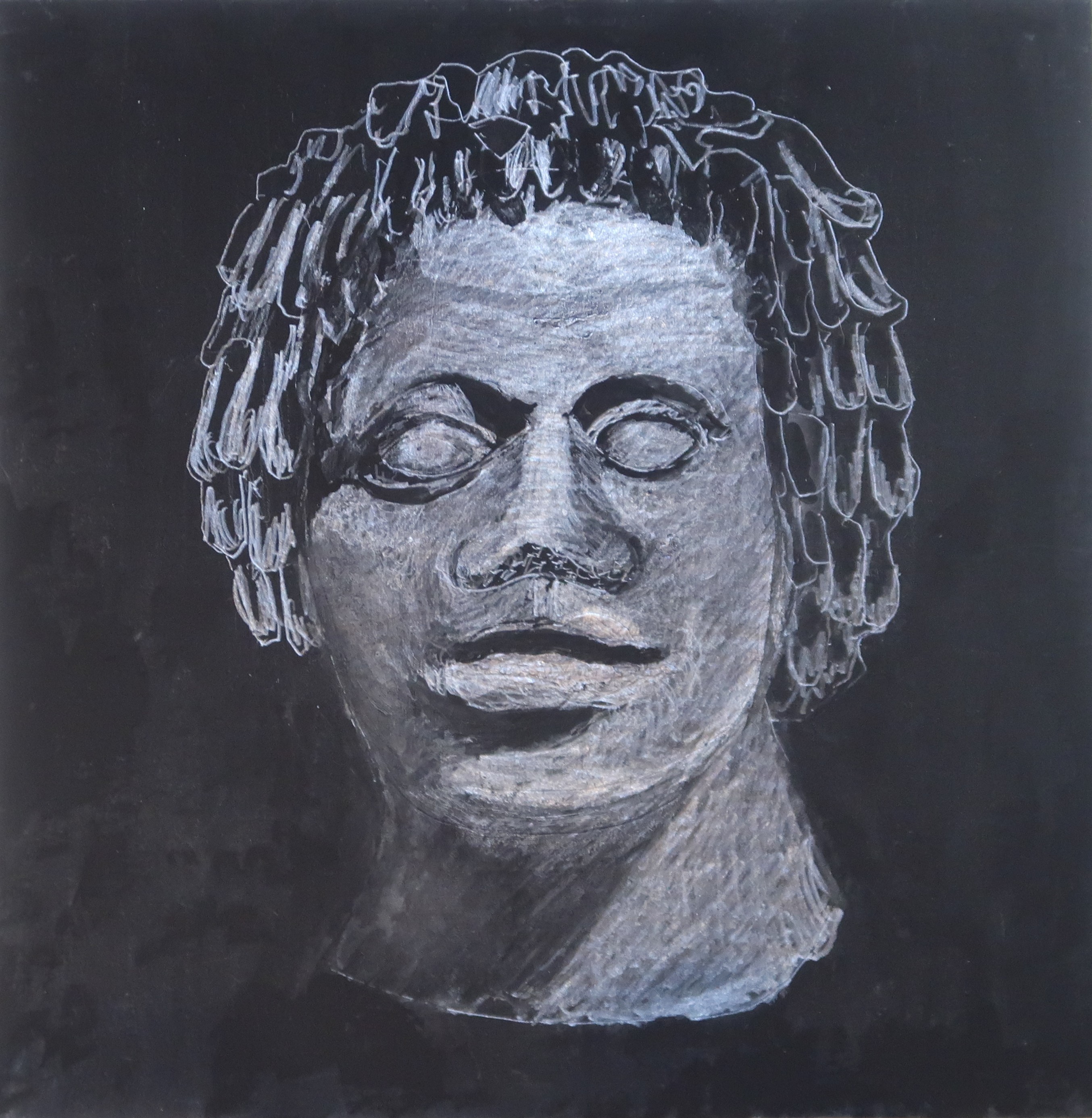
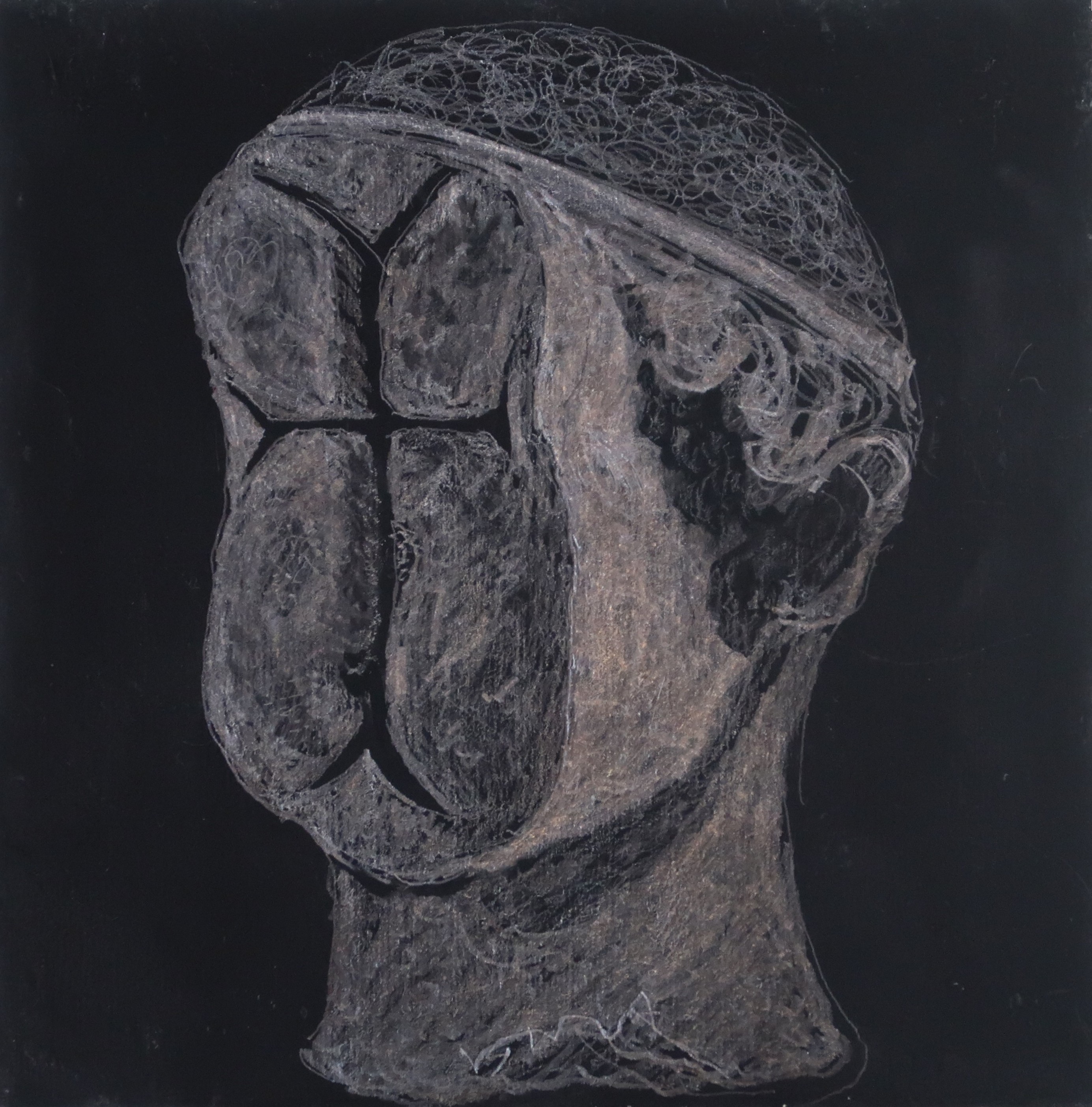
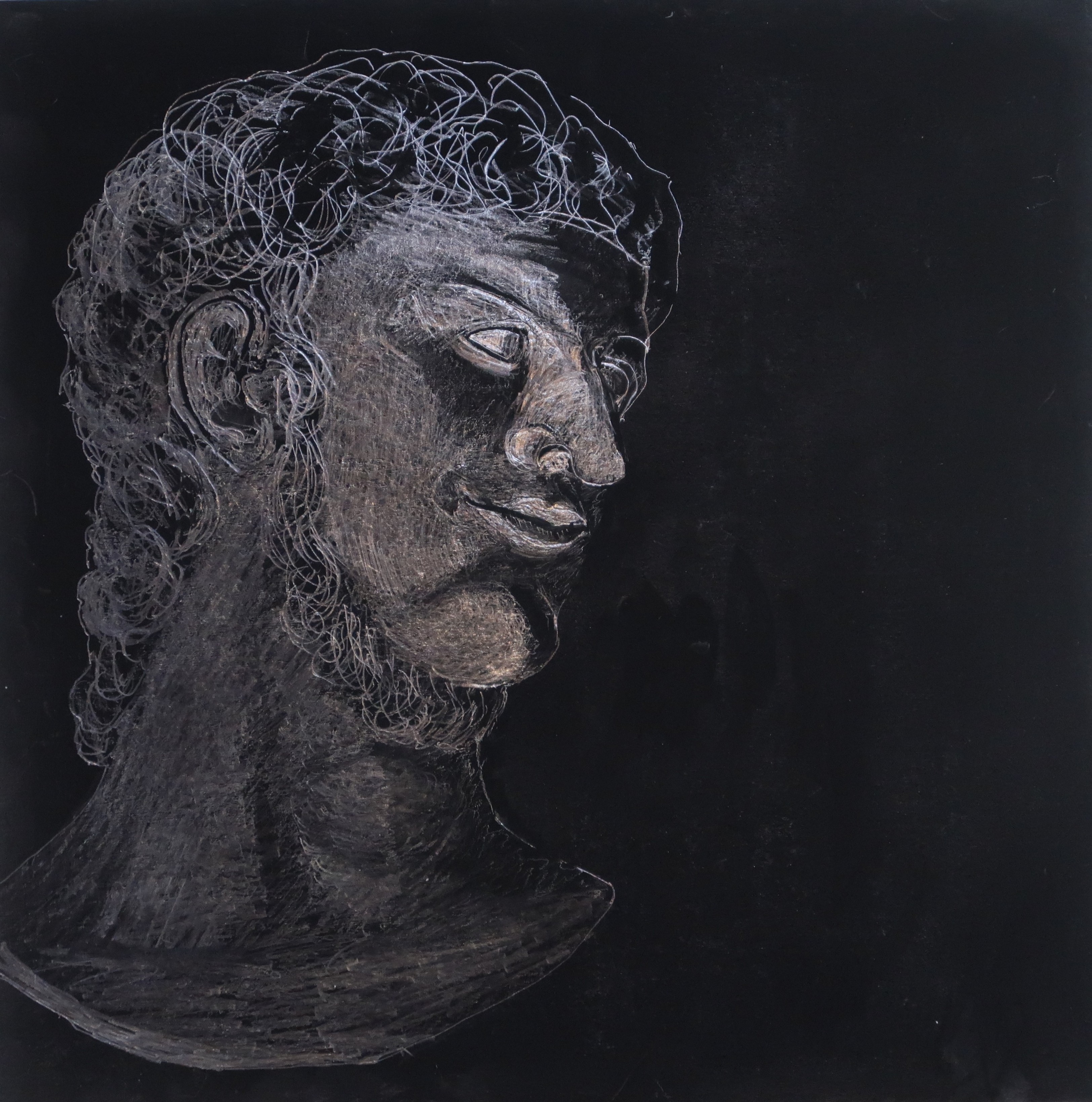
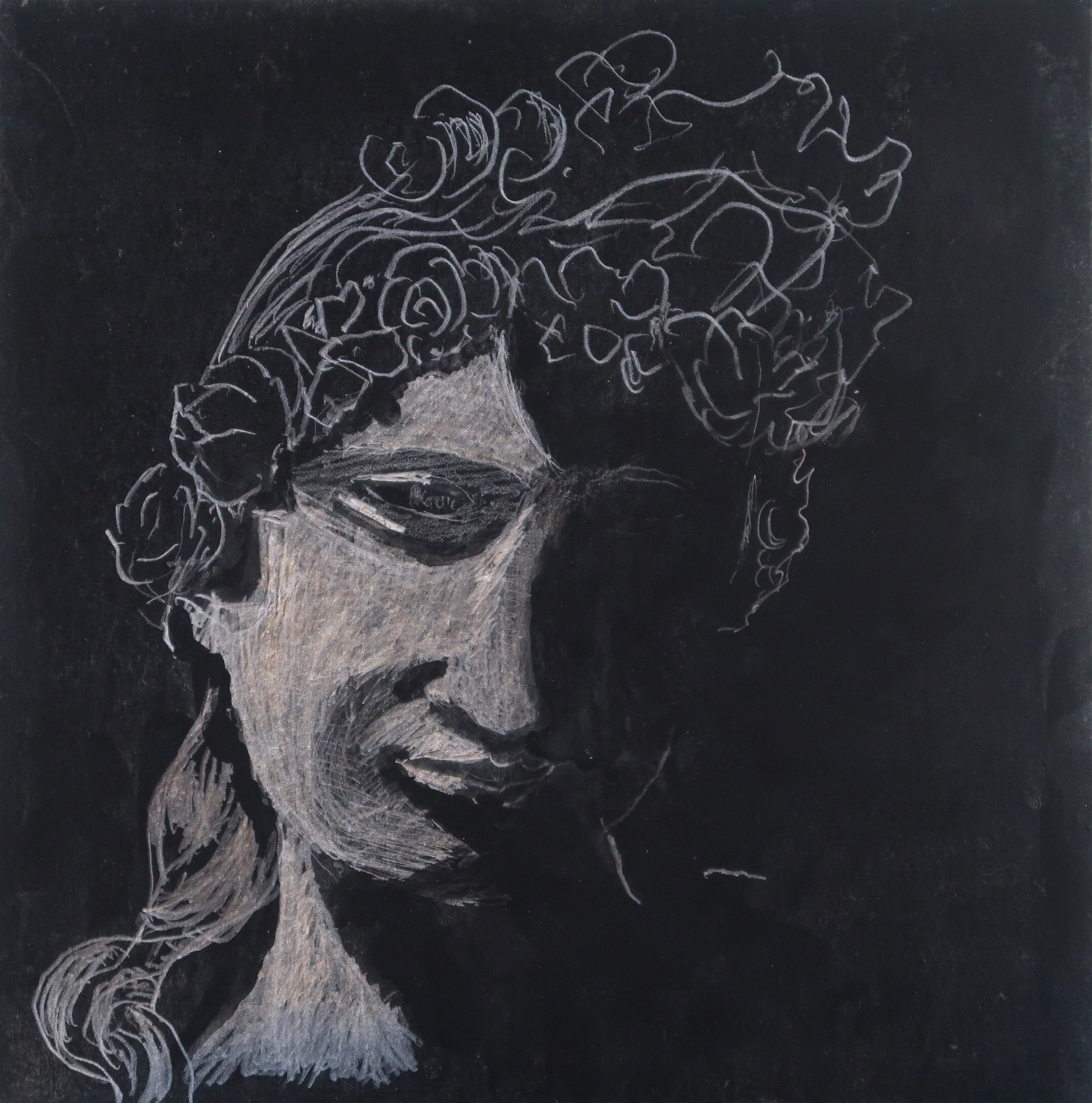
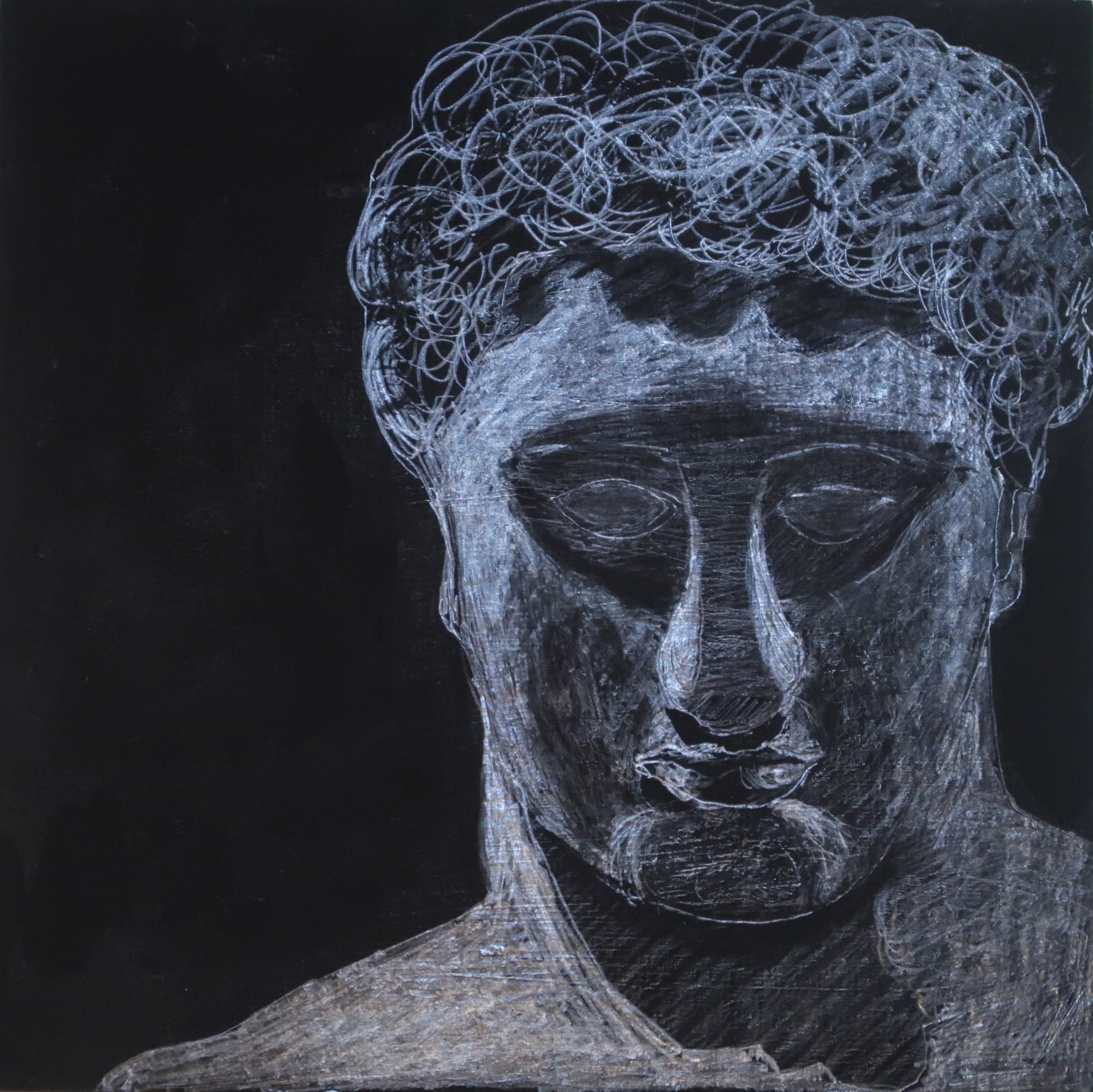
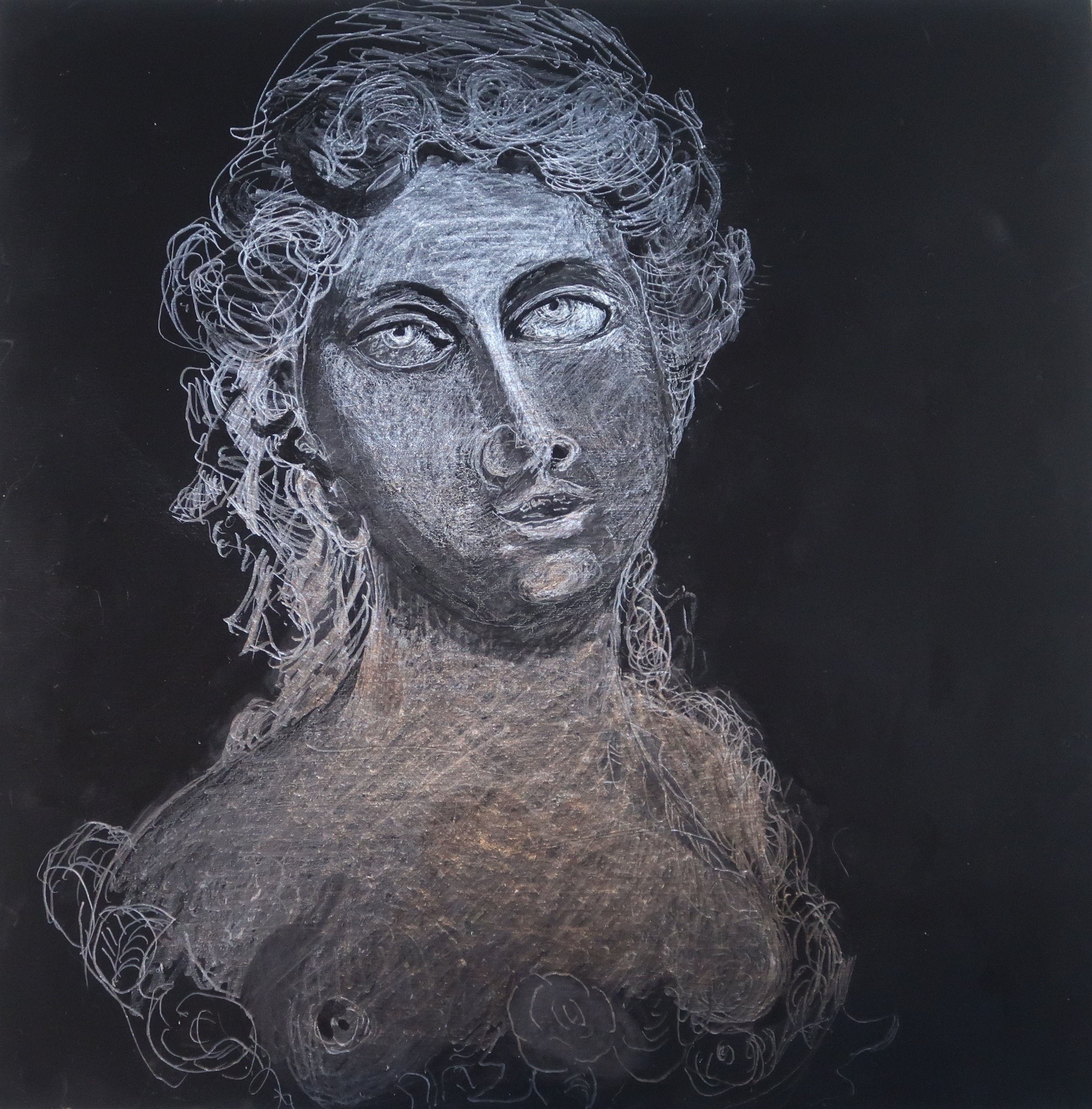
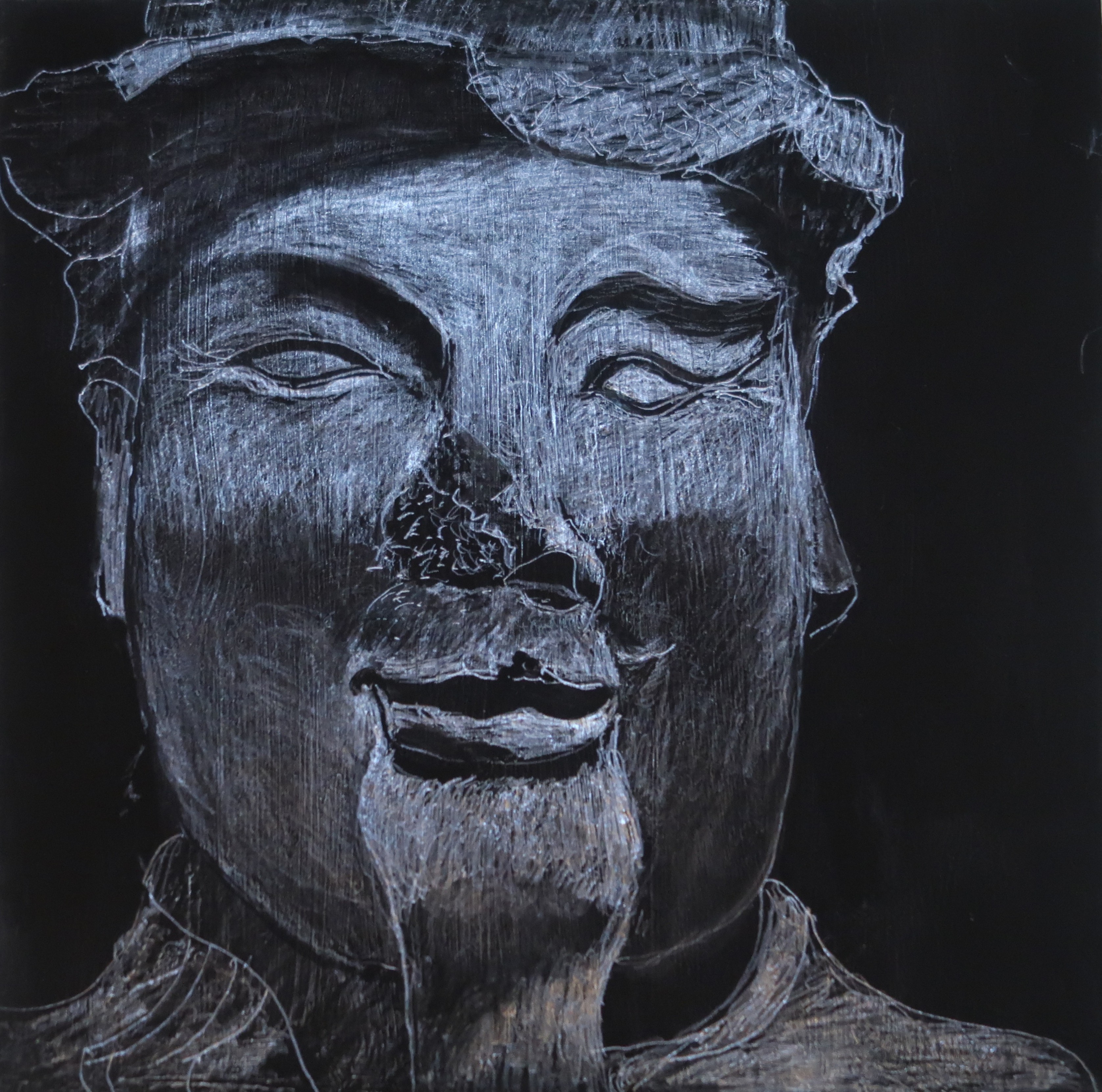
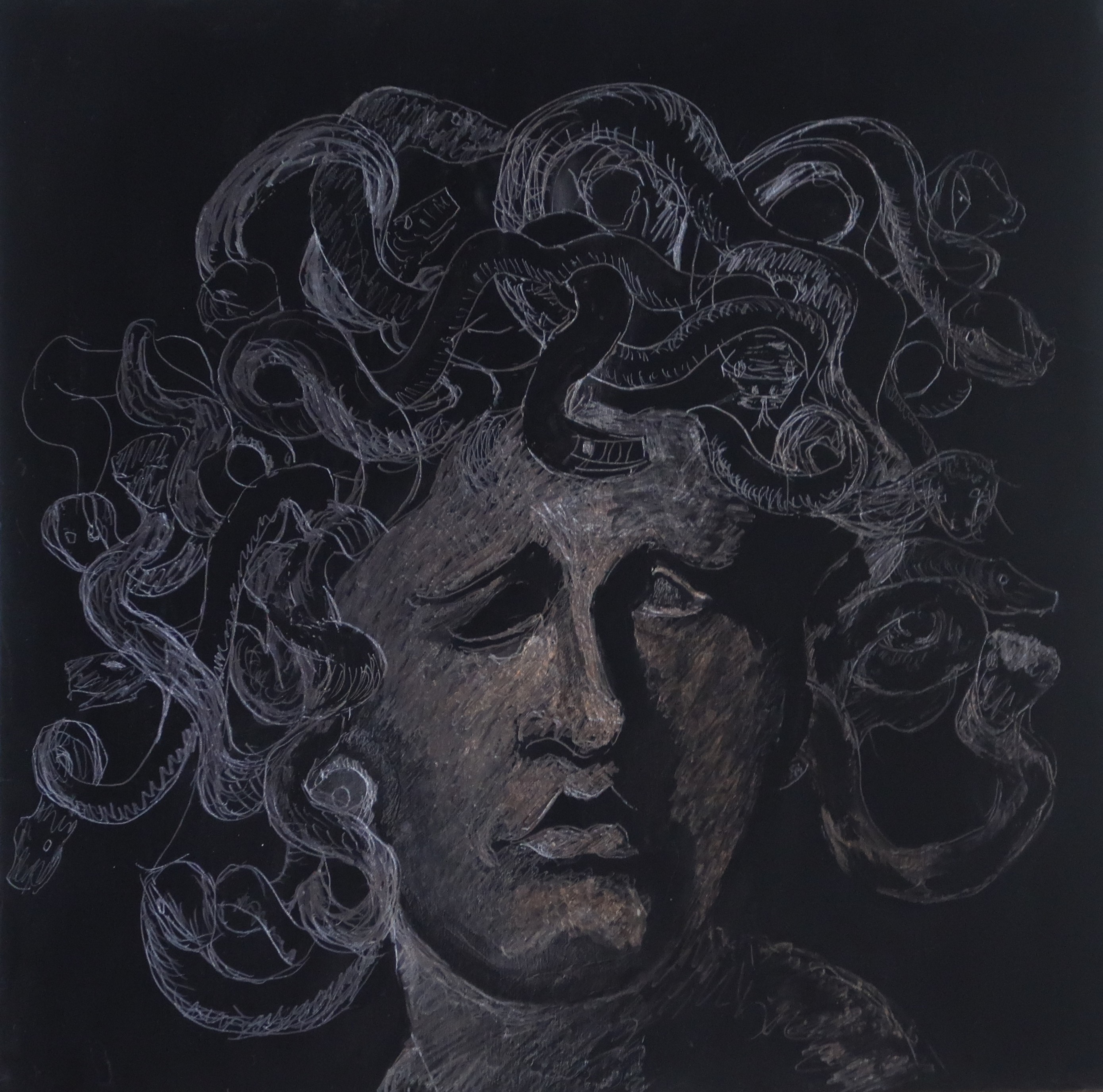
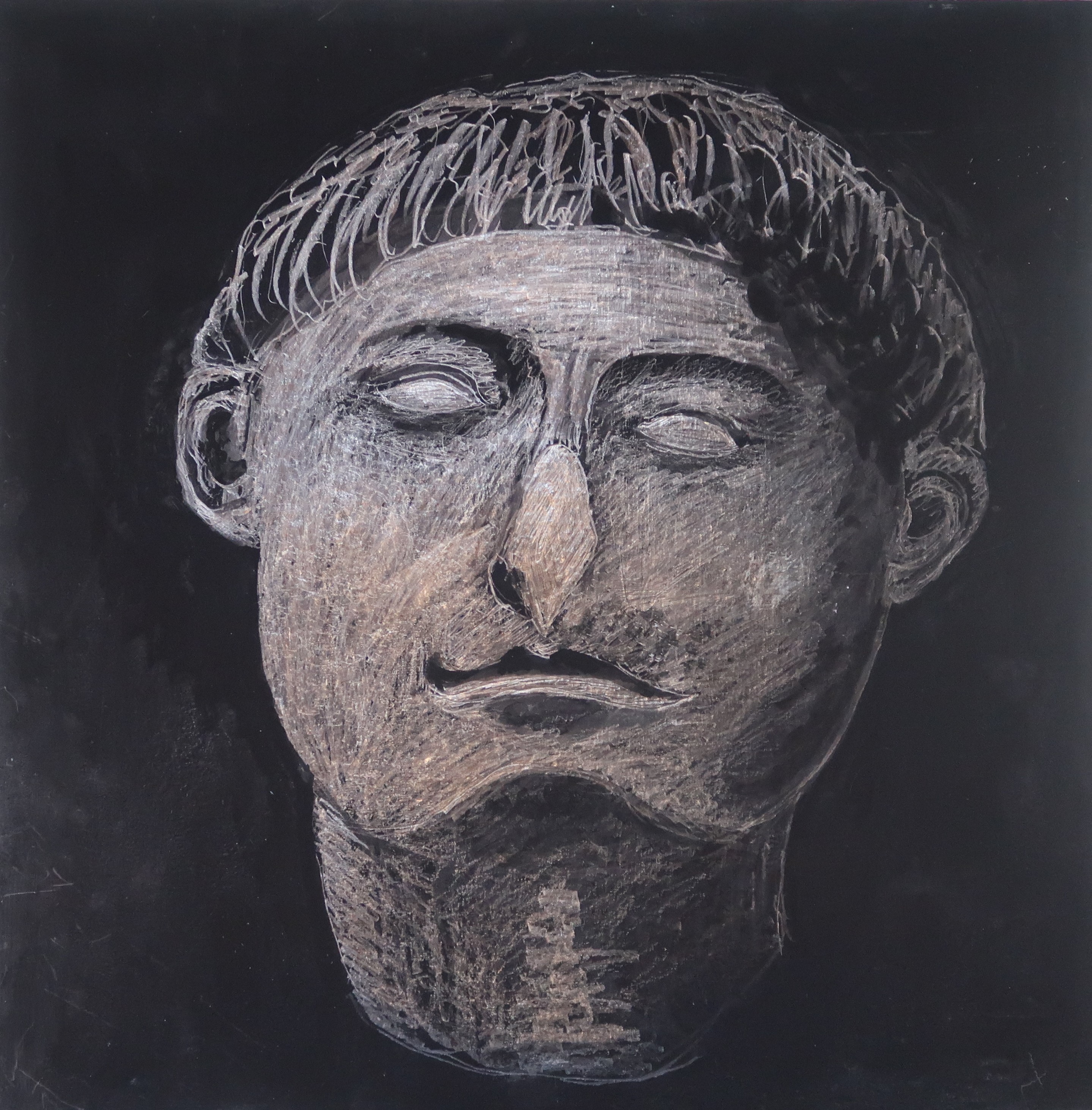
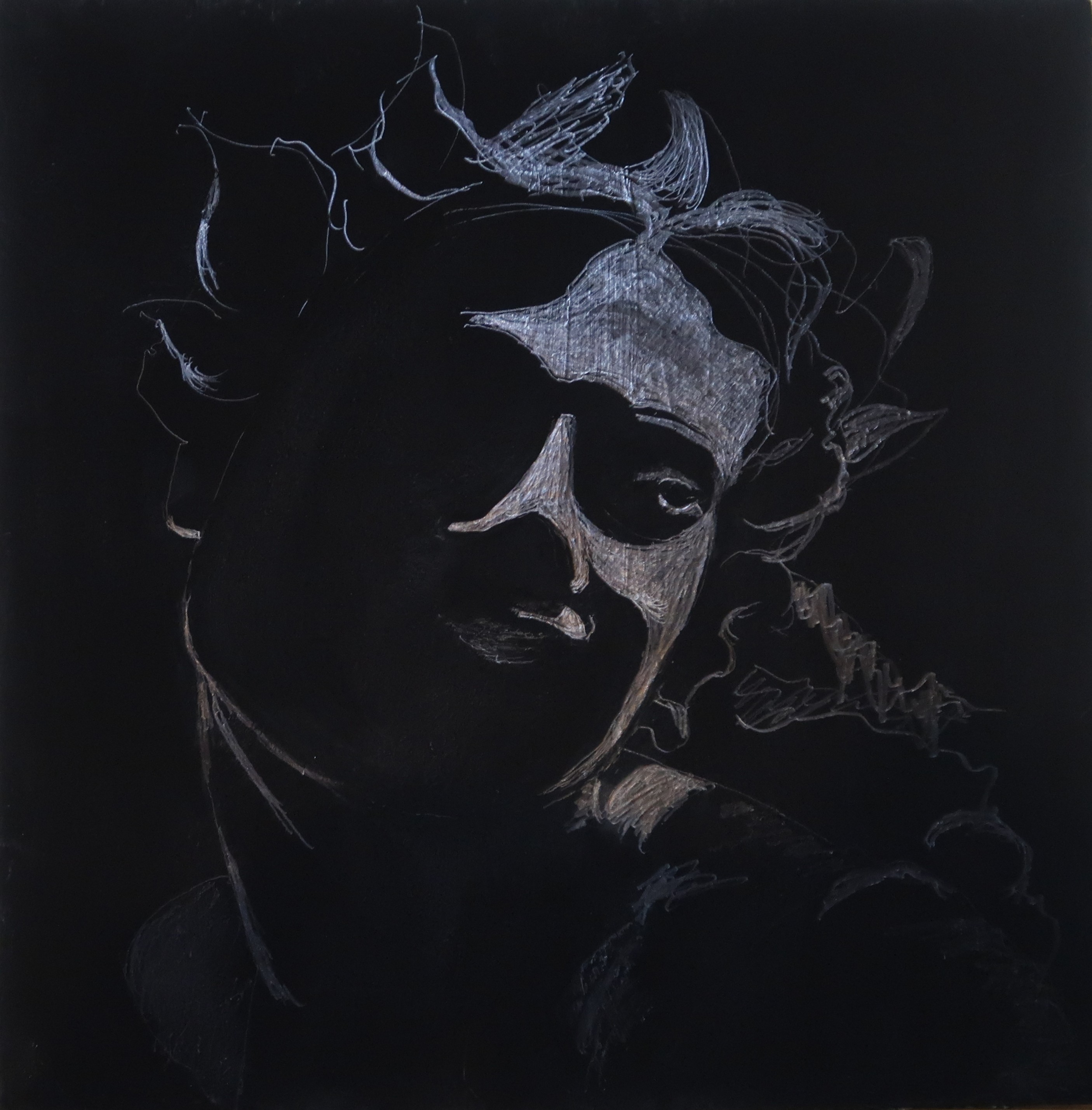
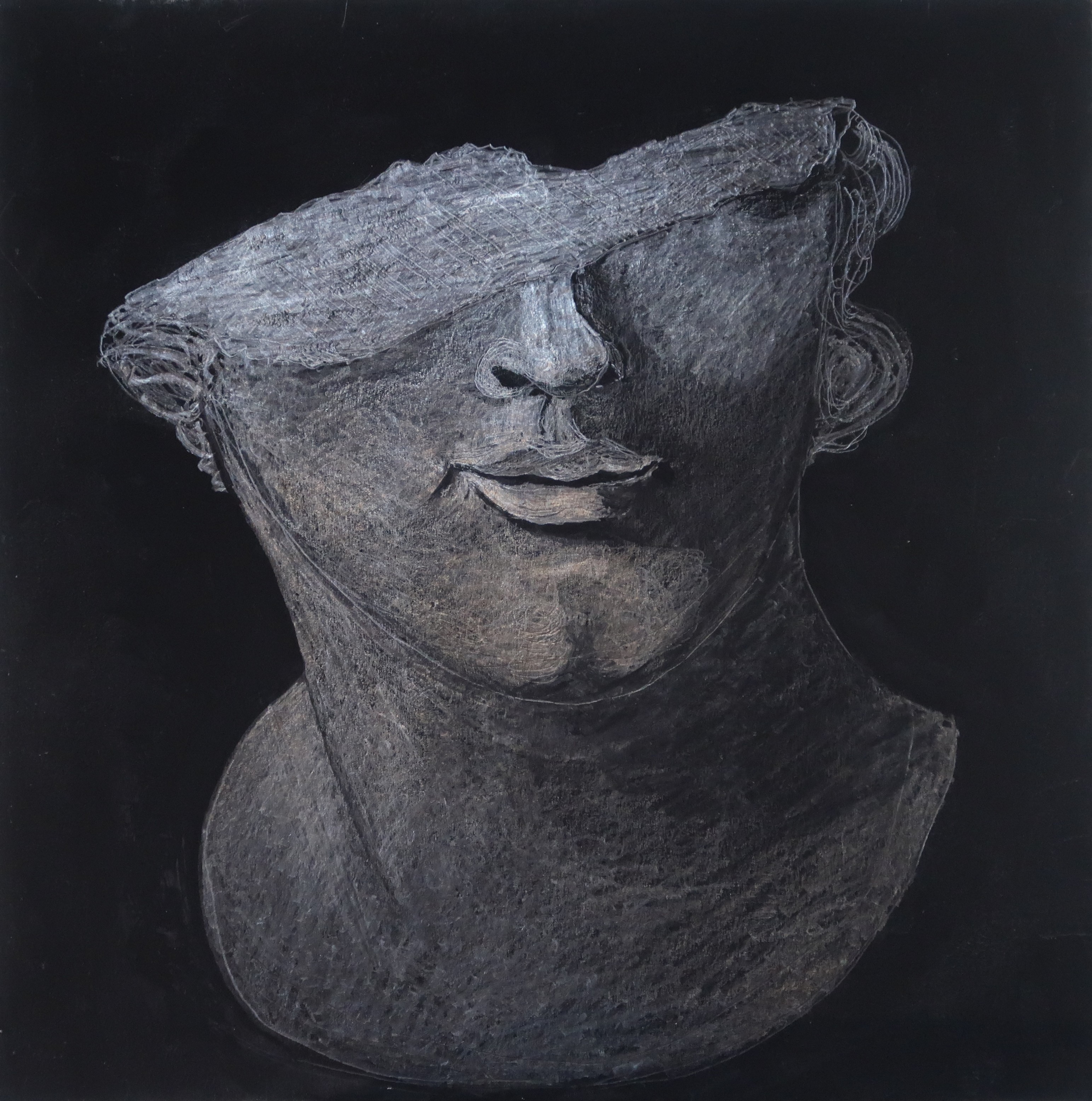
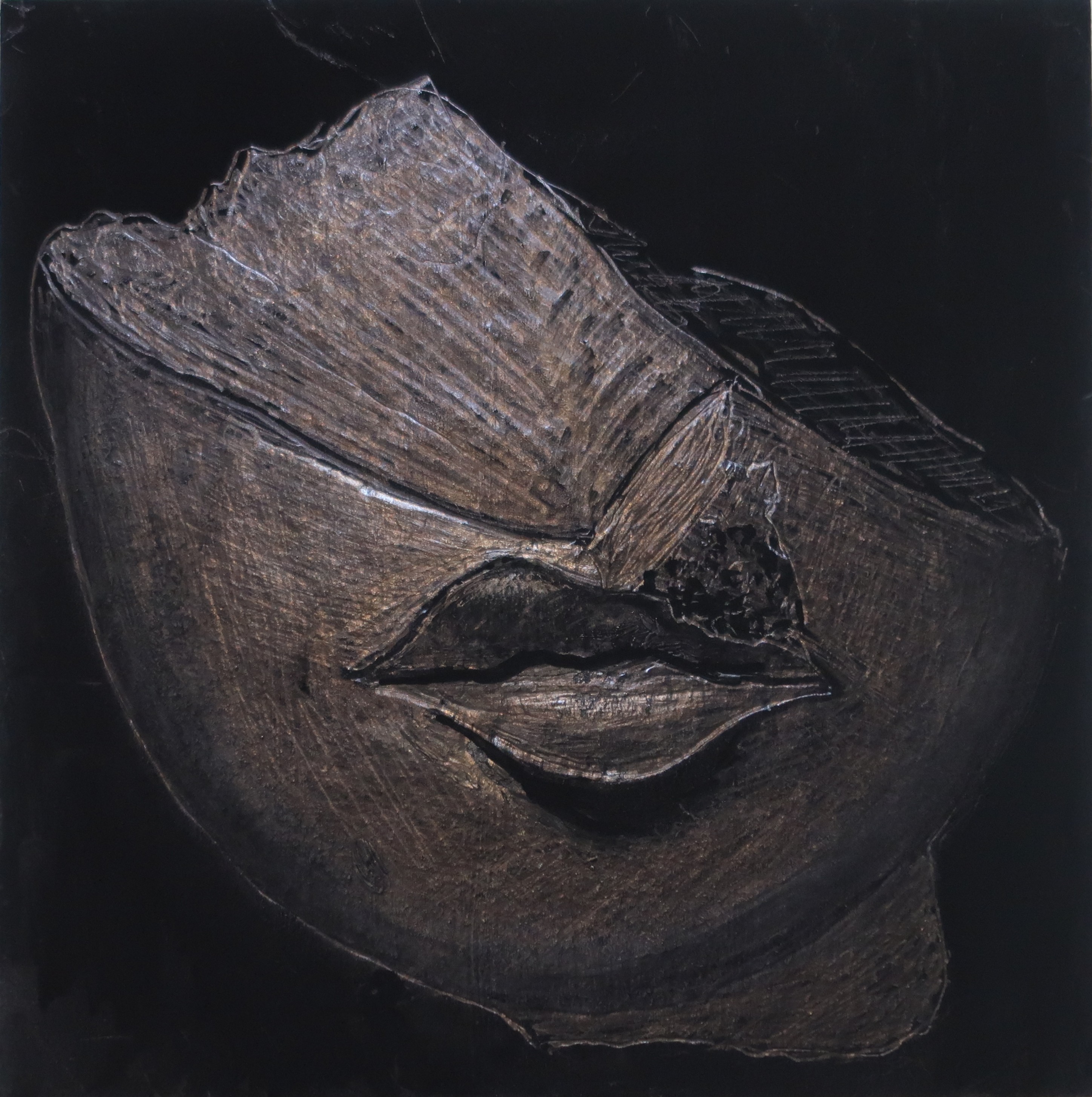
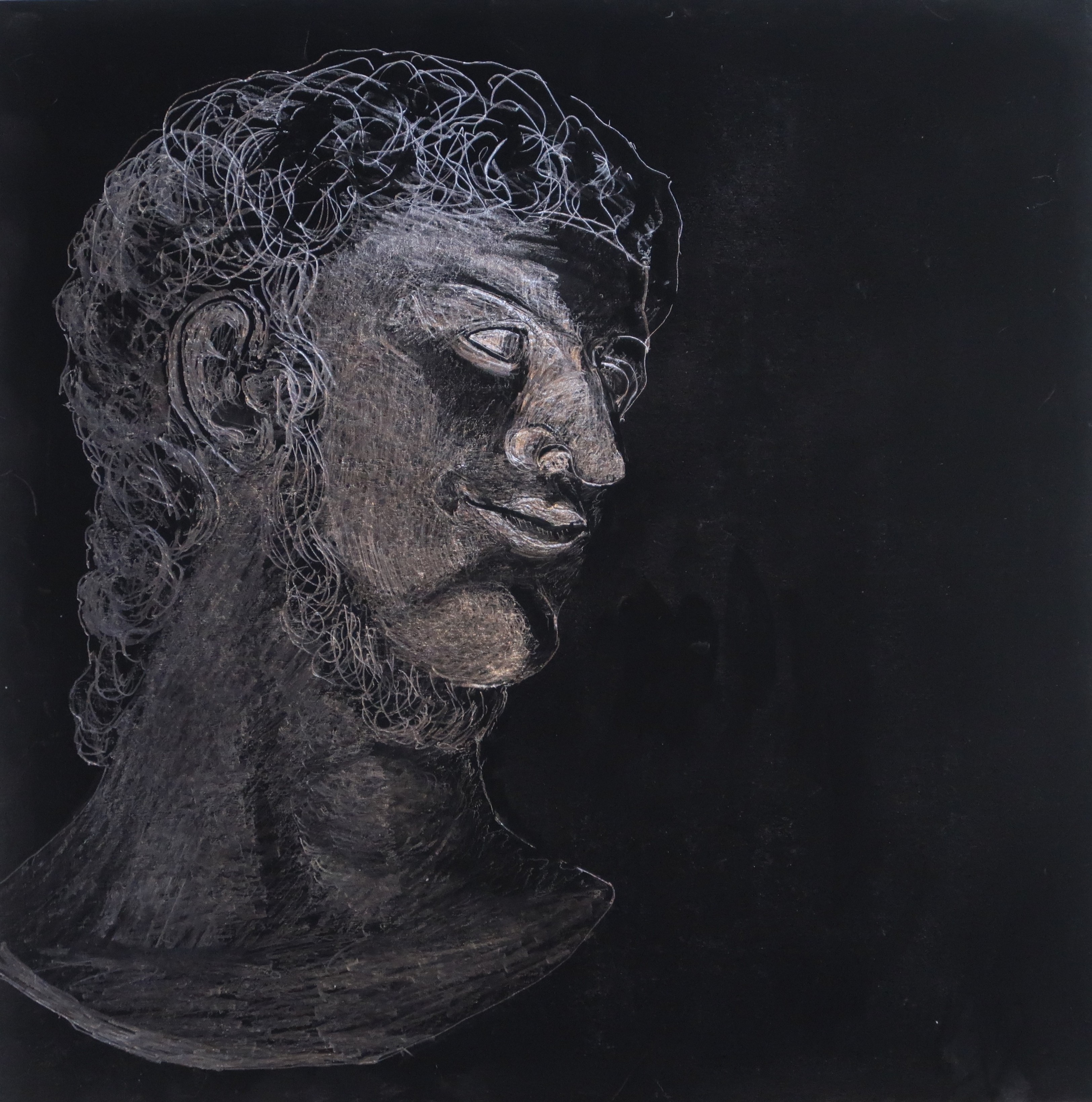
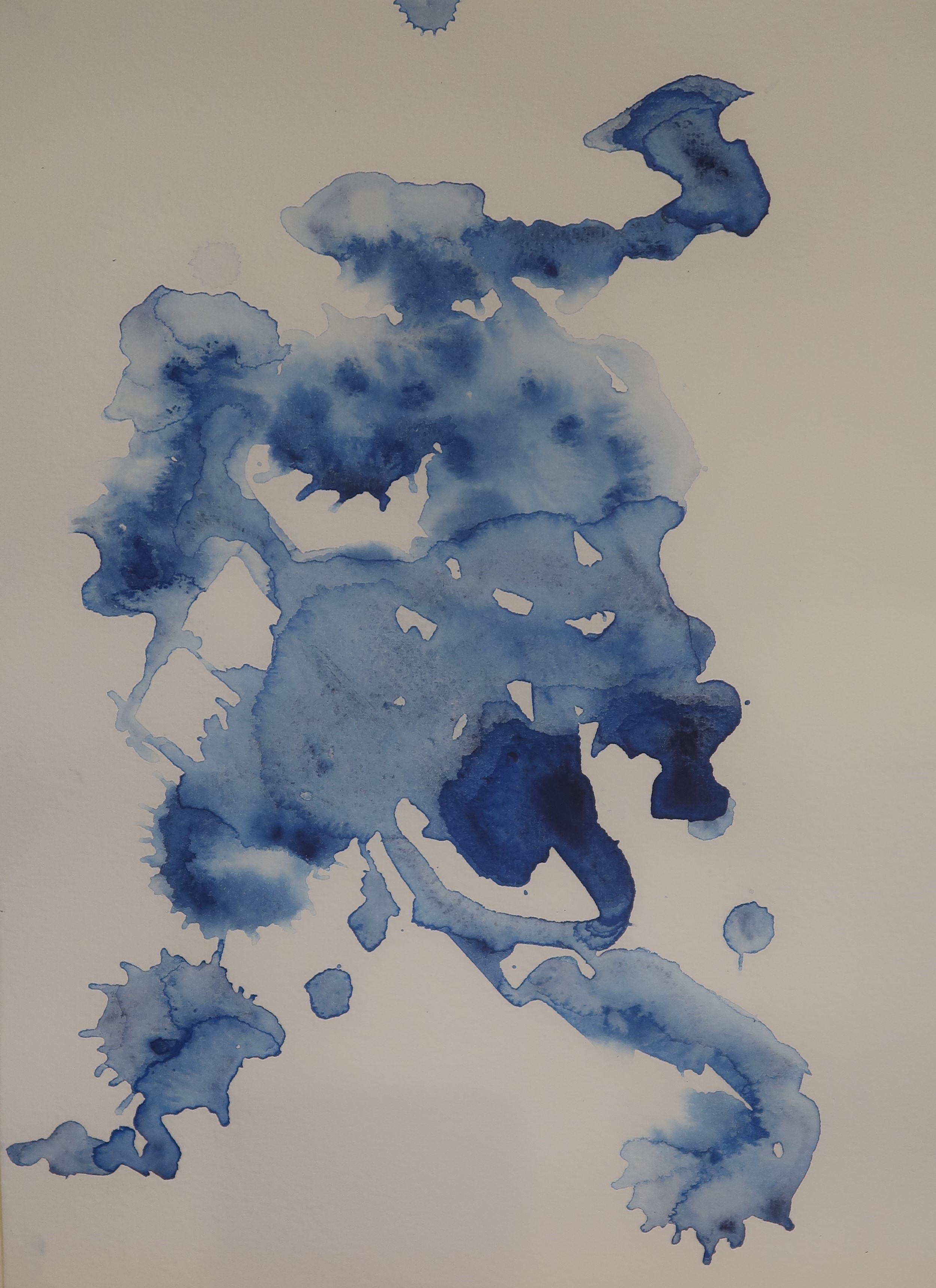
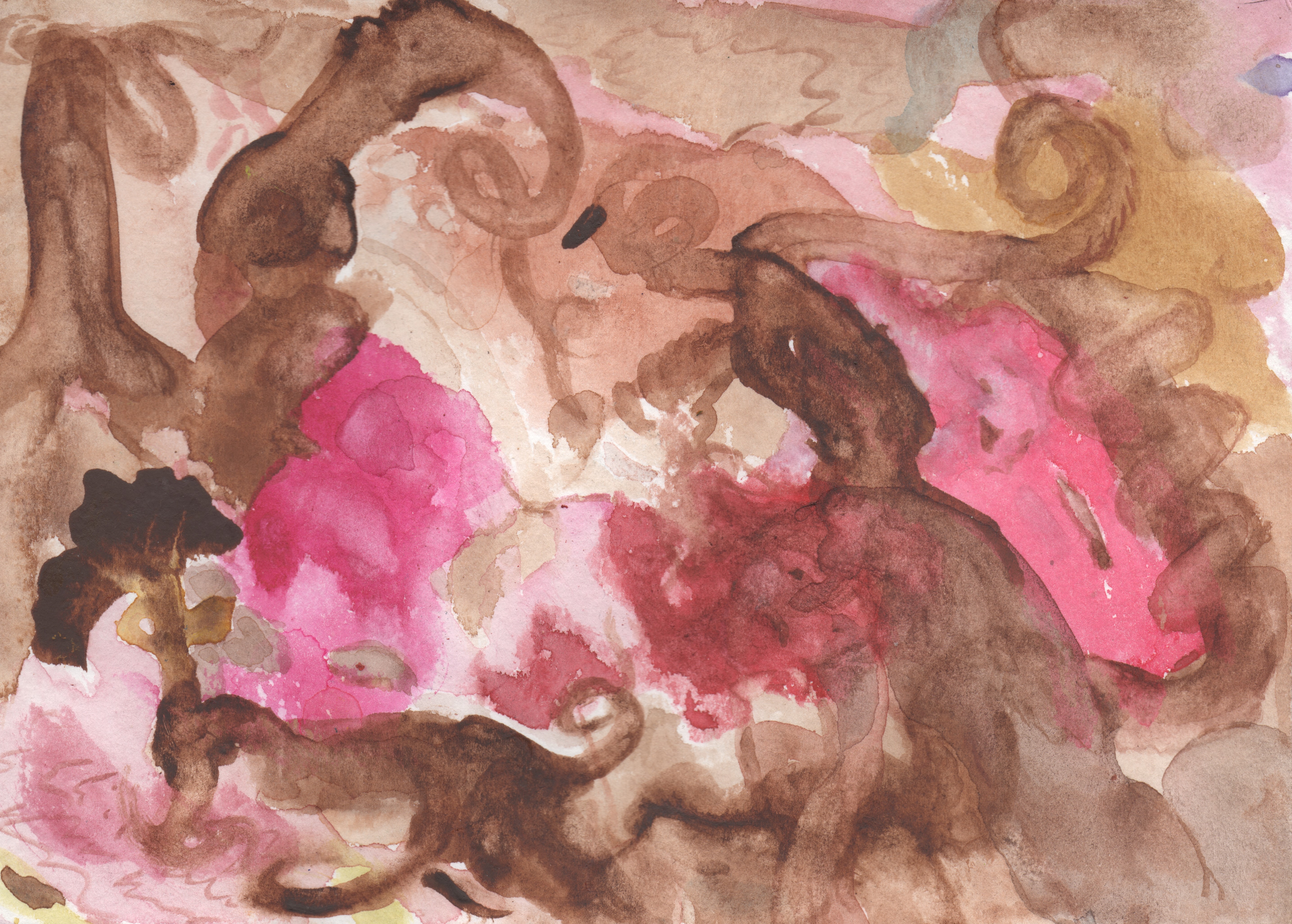
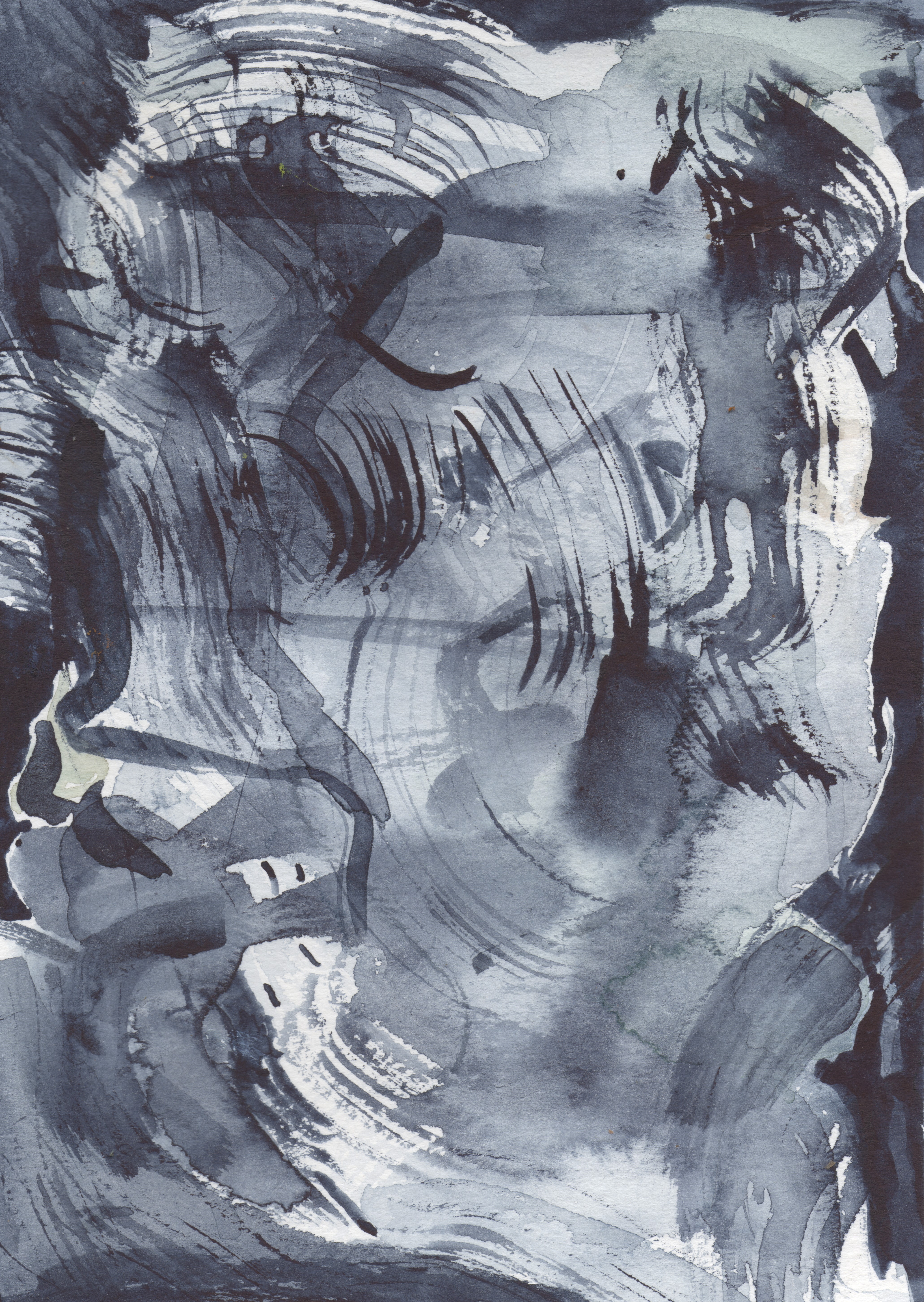
The images alter as you walk past them, since they are dependent on the light that is hitting them and your eyes’ relationship to that light, which changes as you change where you are.
The UK Column is an independent media organisation and receives no corporate or foundation funding. We rely on the generosity of individual readers, viewers and listeners, so if you enjoy our quality reporting, please consider supporting us. 🌐 Explore all our written and video content on the UK Column website https://www.ukcolumn.org/ 💪 Support our independent journalism here https://support.ukcolumn.org/ 🛍️ Check out our shop here https://shop.ukcolumn.org/
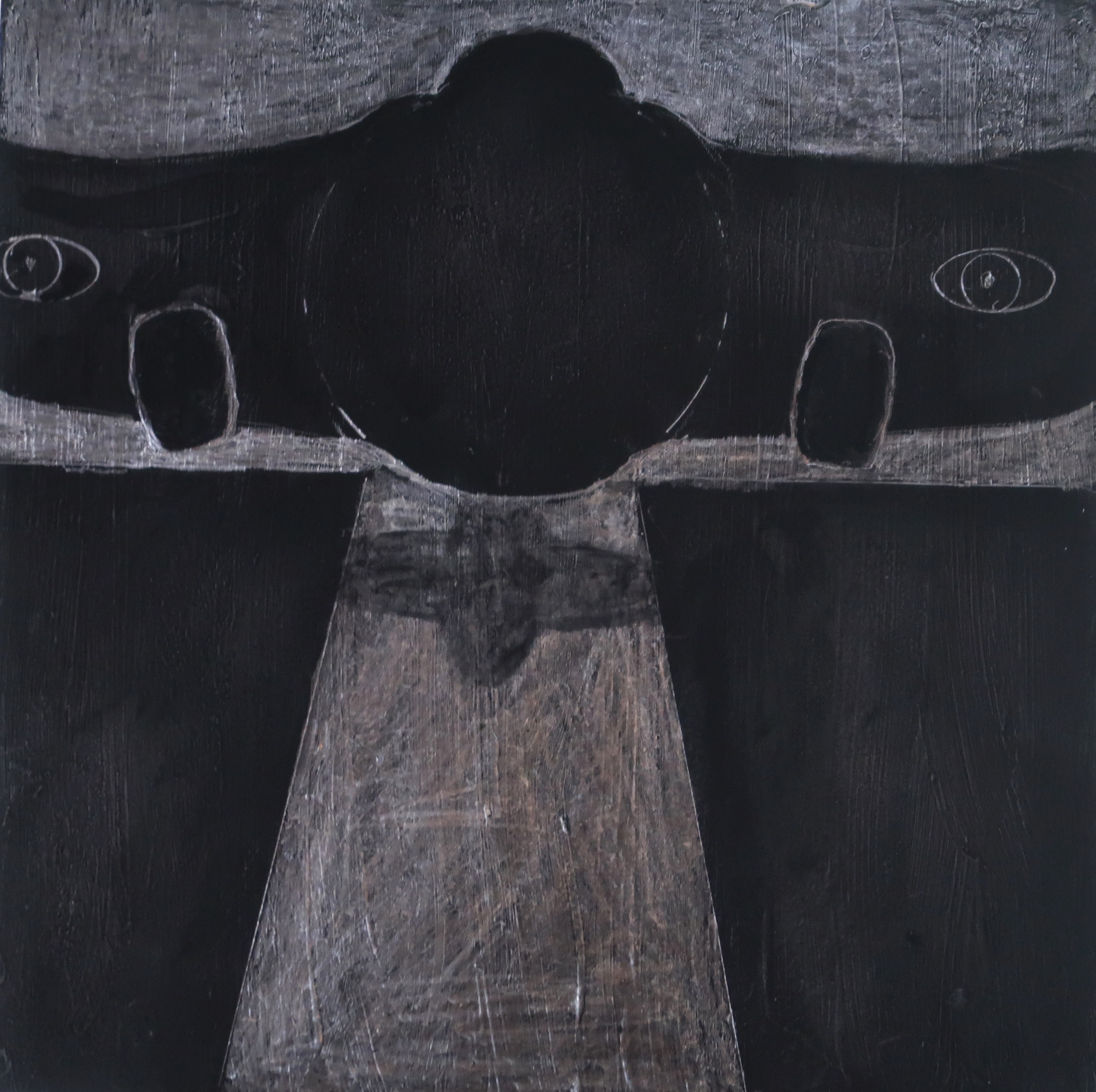
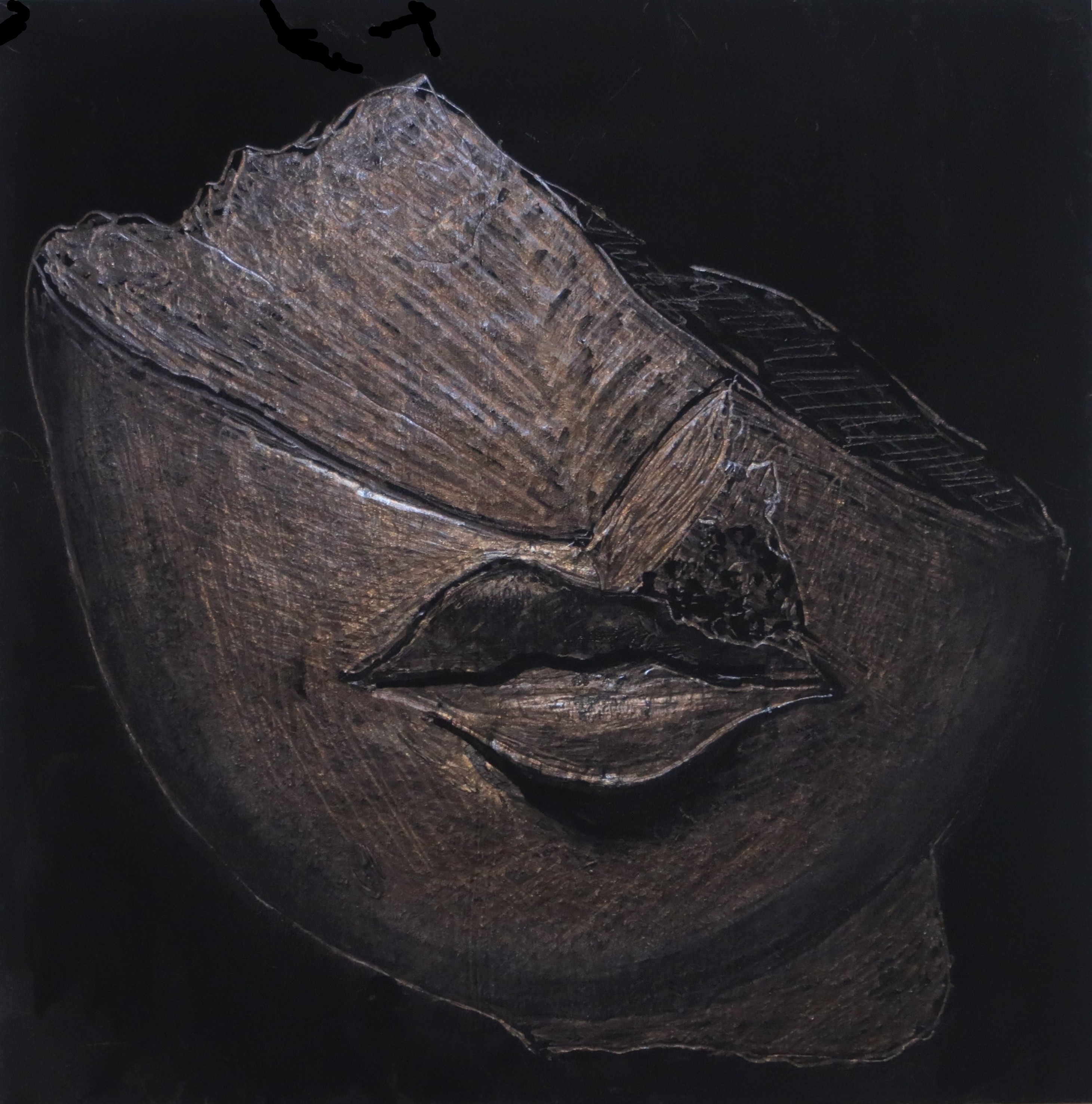
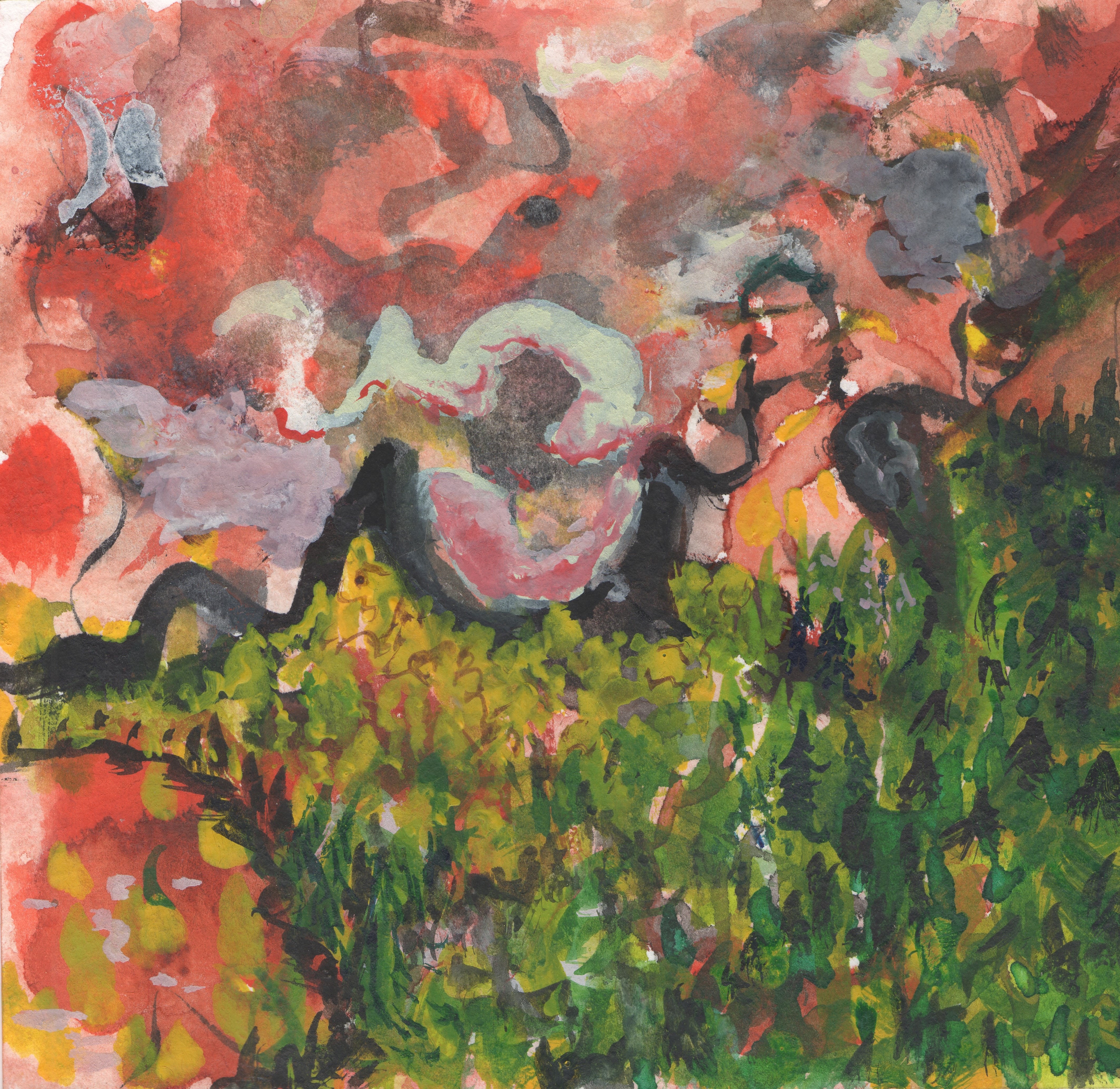
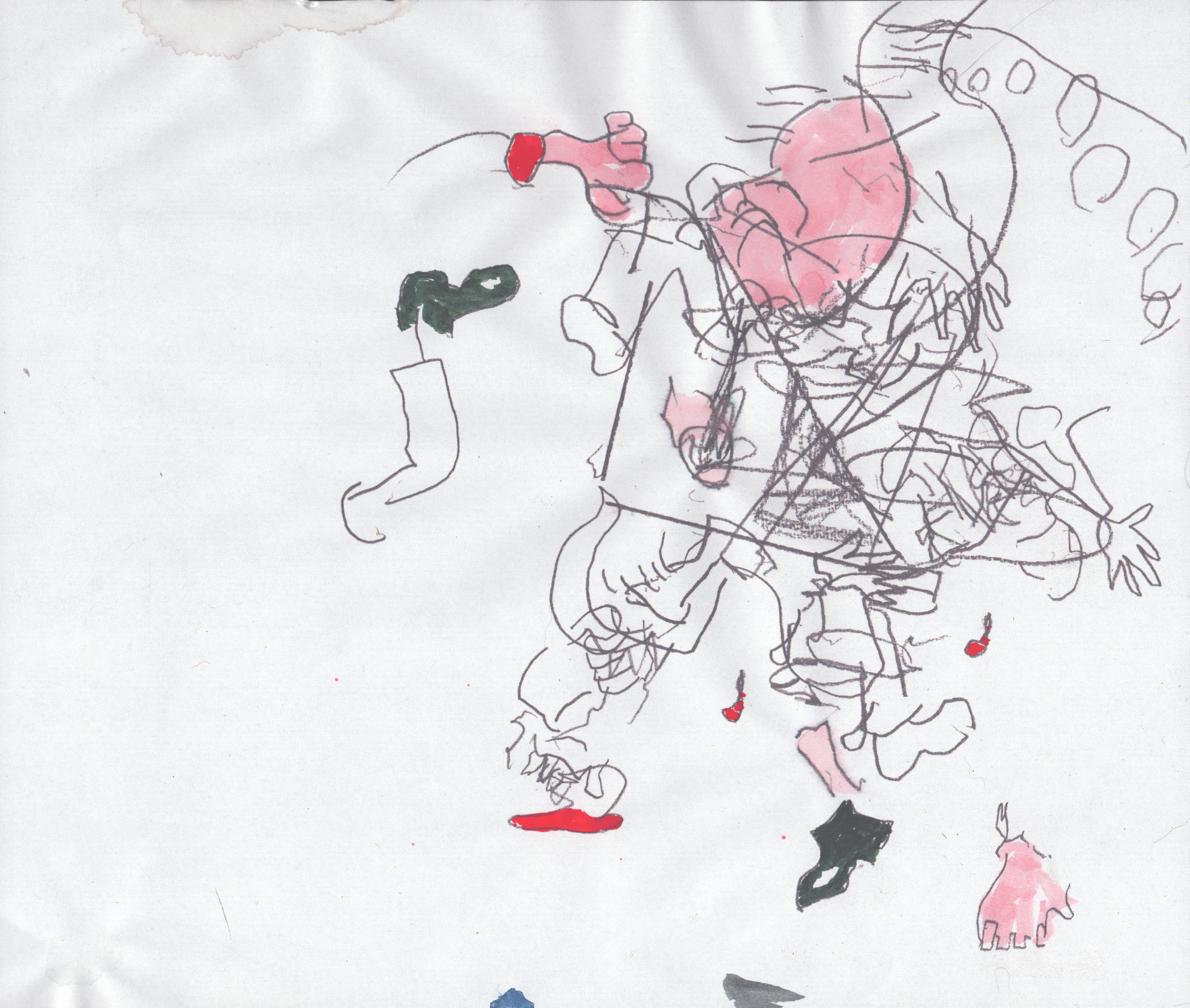
I like to think of what I do as a departure from modernism. I do what I call Deep Art. I see its precedent in Leonardo da Vinci’s advice to gaze at a wall to imagine what you may in its blemishes and accidents, and I see it in the strange paintings of Victor Hugo, which began as ink blotches that he worked into, perhaps revealing the suggestion of a gothic landscape. Deep Art has been anticipated by the surrealists, it could be argued, though Hugo predates them, so it is actually earlier than surrealism. Basically Deep Art is going in the opposite direction to modernism. It begins with some involuntary chaotic action, splotches, blots, found chaos, a spill or even a confused photograph. The artist then works into that chaos to attempt to get somewhere. Not necessarily to a figurative result but at least to a feeling of resolution in the artist’s mind.
In the heyday of modernism, back in the sixties or before that, modernism embraced progress. Though causing horrific manifestations when applied to warfare, progress was still something which could lead to a Utopian reshaping of society. Progress led away from old-fashioned figurative depiction towards abstraction. So it led from articulate coherence towards a comprehension of underlying structure, rhythm and the abstraction of forms – stimulating an understanding of the nature of our senses, as exemplified by the non-narrative repetitions of Gertrude Stein or by Mondrian beginning from an apple tree and abstracting from it until he discovered in its structure some harmony of lines. Finally, artists did not want their abstractions to be “read into” – since they existed as pure rhythm; word impacting against word or colour striking colour. Jackson Pollock would have been furious if one had looked into one of his abstract paintings and said, I think I can see the backside of a cow.
However deep art is a departure from that pursuit of progress. We no longer have faith that progress will solve the world’s ills. In fact progress chooses to abet capitalism. A world of total surveillance is portended, reinforced by AI and hostile to procreation in a post-industrial world. Progress has become a suspect word, and therefore deep art retreats from progress, not into nostalgia for a previous way of making art, but into an ideal of degrowth, epitomised by turning away from profit-motivated expansion on an ever larger scale. Instead, it focuses in on a realm where the accidental prompts suggestion. However abstract it might initially appear, a piece of deep art invites being looked into more deeply. It is like a Rorschach test – it is open to suggestion. I reiterate: deep art is a departure. It is alchemy. Its primary aim is for the artist to lose consciousness of self in the engrossment of making art. It looks into the tea-leaves. It makes something out of chaos. It welcomes quantum connections.
But then an ironic question arises. This chaos out of which the art emerges, yes, it may be or may not be symbolic of the observable world, but, just as the soothsayer needs the tea-leaves for prediction, the chaos needs to be plastic, made of ink on specific paper, or made of cut-ups as in the work of William Burroughs. The stuff to puzzle over has to be brought into existence before the alchemy can begin. So this initiates the initial artistic or poetic struggle. What is to be spilt? How is this chaos to become an actual material? How do you enable a random expression to manifest itself?
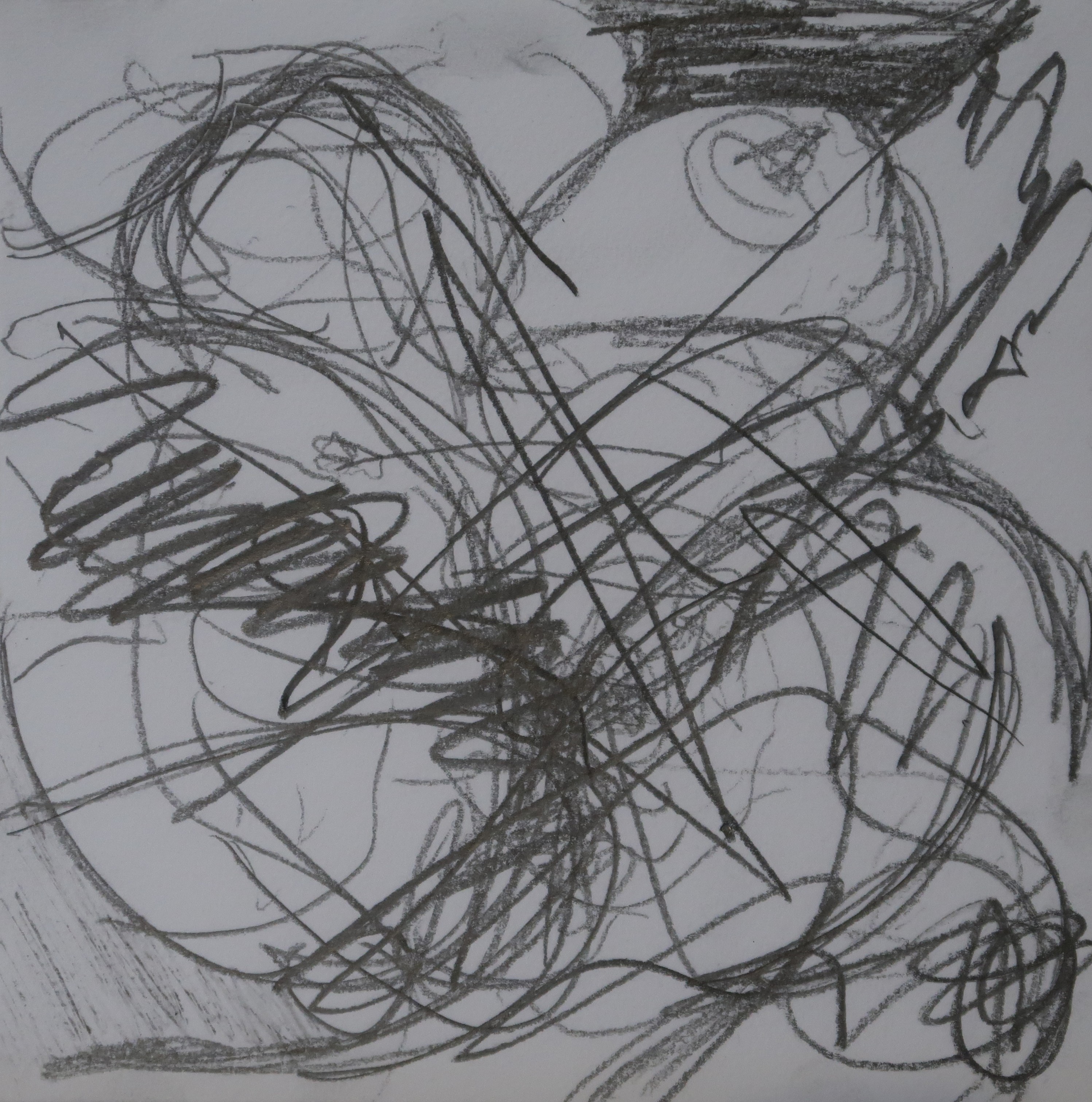
So initially, one must find a way to circumvent the intentional. From da Vinci to Cage, artists have recognised the inspiring power of chance. A serendipitous agglomeration can be a fertile ground. In visual art one can adopt a strategy such as drawing with the eyes closed. That is something one can’t really do with words – though the surrealists experimented with automatic writing. Nevertheless it is hard to write a word without intending it.
So differences emerge. In art, in order to wrestle with the arbitrary or derive a result from cacophony, what is required first is that some arbitrary spillage or dissonance be created – I am impressed by the orchestra of the elephants in Thailand. Some chaotic basis has to be made manifest. This is not as easy as it sounds. The way of making the initial chaos that will ultimately generate the work is what distinguishes one artist in this vein from another.
x
Deep art values improvement but not progress. Modern art was Utopian about the future. Deep art retreats from desire for that Utopia. Existentially, deep art has to have presence. Deep art is also down to earth. It is about self-sustainability. The artist sustains the life chosen to be led. But it has to have presence. Presence is the generation of a certain attention unto itself. As if the art had a gaze.
I look into my idea for deep art. Then I consider the art I am making. First it must be said I have many arts. Even within visual art I work in several different ways. It is feasible to consider presenting the two styles simultaneously. I can be in more than one world.
Reflect on where we are at. We are in the actual world and the hyperreal. We now experience virtual love-making. And we may relax to war footage. We are in an actual world and doped-up on a media world we are sucked into by the screen. Each of us has more than a single world to digest. At a deeper level, there is that aspect of a curve that cannot be measured; that capitalized Real, which slips between the gaps left between words and numbers.
Imbued with the suggestion of that Real, deep art becomes present, and is filled with presence. Steeped in it. Figuration versus abstraction is a gone debate. Presence is what matters.
Deep art is concerned with alchemy. Metaphor is the alchemy of language. In visual art, sight is the first medium, while alchemy is the transformation of some sight into another medium. It is ironic that what is seen may already be experienced as a medium. Re-presentation is the alchemy of deep visual art. The transformation may be effected from hearing to sight, and vice-versa, or from any one sense to another.
The deepest precepts hold true for deep art as much as for modern art: Leonardo’s advice to look into some part of a wall, to see what can be imagined there, and Picasso, who would go for a walk in a green wood and come home with green indigestion. To understand what I mean by deep art further I dive into my own practice. In retrospect I realise I have always been contrarian. Is upending things, and exploring the contradiction of accepted modes, thus a pre-requisite for deep art? I doubt it. Each artist has a personal agenda. Presence is a universal requirement, transformation also. Multi-sidedness and contrariety concern my own make-up surely?
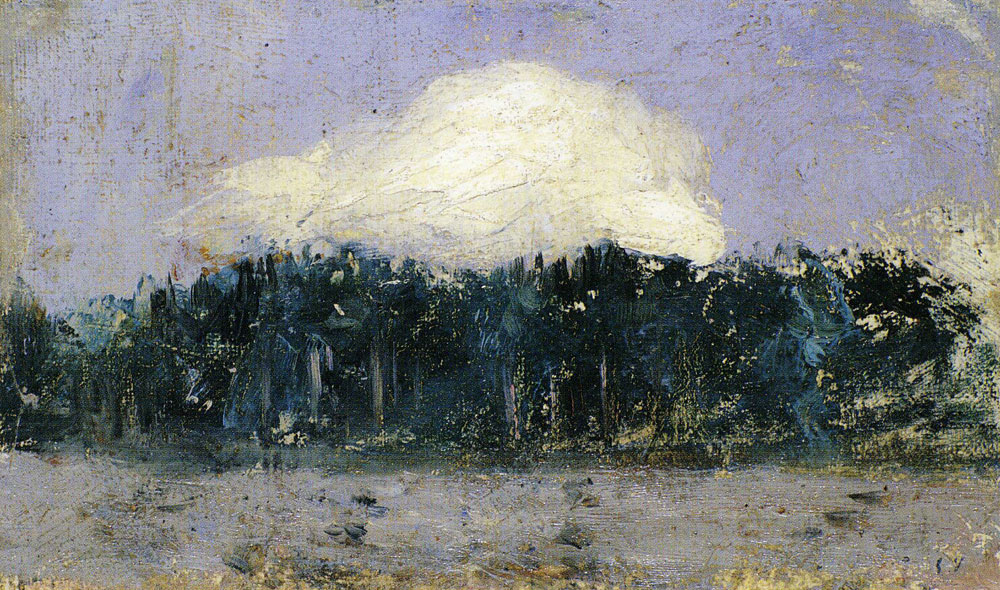
Another issue is intensity – as opposed to scale. In the Musee d’Orsay, there are several works in oil by Vuillard that are very small in scale. There is a night scene and there is a painting of a cloud above a wood -12.5 x 21 cm.
The energy in these works is compressed into these small spaces, in contrast to modern art dissipating energy by expanding the scale of the work without purpose. Yes, it made sense for abstract expressionists to work on a large scale, so that the eye might be saturated with colour – but now a vastness of scale is simply a knee-jerk imposition on contemporary work – an insistence that art must be avowedly “public” – thus confusing art with advertisement. Even worse is the notion that increase in scale can lead to an increase in price – an utterly superficial take on art.
There is also that contemporary tendency among curators to choose art according to the representational credentials of the artist – thus choosing to show work on the basis of “wokeness”. Is the artist from an underprivileged group or of a currently fashionable sexual orientation or political persuasion? Someone recently criticised my appreciation of Victor Hugo on the grounds that Hugo’s politics were initially Royalist, and that although he later embraced the republic he nevertheless justified colonialism in terms of a civilizing mission. For me, such a view has no bearing on the art of Victor Hugo. One of the most salient virtues of art and literature is that it is possible to appreciate fine work by creators whose politics are fundamentally opposed to our own. And this is another tenet of deep art.
Click on ANGER – my new video on Youtube. But maybe open a vigorous track before you press play on my link. See also The Meaning of Anger.
Almost all my slide-shows can be found on Youtube @theanthonyhowell here
There is also STENCIL ART – which has content Youtube might consider inappropriate – so it’s on vimeo.
I don’t usually add a soundtrack. Anyone who needs a soundtrack can open some accompaniment that’s of their own choosing. Some people prefer watching without sound.
I did make a slide-show to accompany my introductory reading of an excerpt from my novel The Distance Measured in Days
The slide-show extends the tradition of contending with the portrayal of time in visual art, which can be seen in the procession taking place on the frieze of the Parthenon. As we walk along its length in the British Museum, we imagine we are standing still and the procession is passing in front of our eyes, and then there are the narratives Sassetta portrayed: three incidents in the life of some early Christian saint shown happening in a single picture. And then, as we move nearer to today, there are comics and animation. So for me, it was rewarding to hit upon the slide-show as a way to narrate a visual poem.