
-
Recent Posts
Categories
Archives
-
Join 741 other subscribers
Meta

These can be found by scrolling down through the link.
And here is an introductory video I have made, in which I read the beginning of The Distance Measured in Days
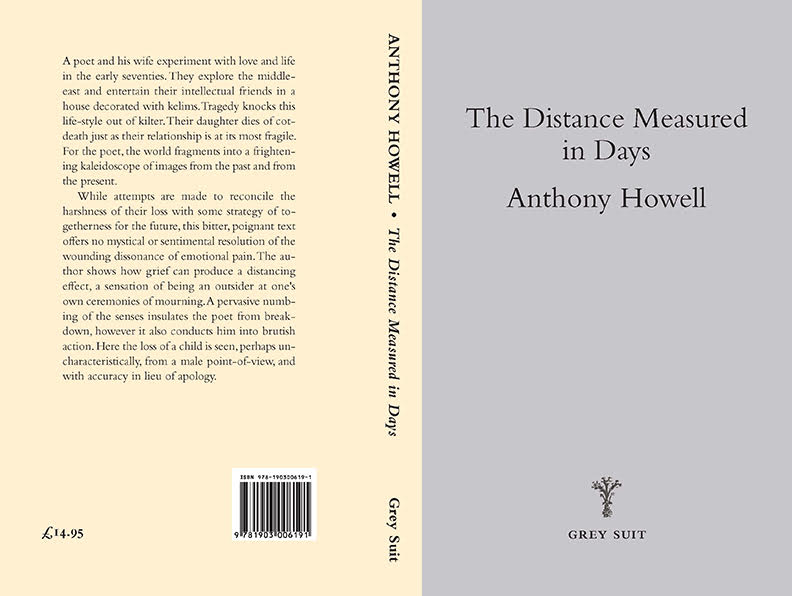

We are gathered outside the magistrates’ court
To witness justice wither away.
Barristers with black sling-bags and grey
Drainpipe suits slink inside past officials today
As we listen to the Grim Reaper
Analyse the truth’s ignominious departure.
Big lorries blare their support.
Lamborghinis could not give a fuck.
The Lion and the Unicorn above us all
Have one comment: Dieu et mon droit.
x
We are gathered outside the magistrate’s court
Attended by the foreign press. It seems the Beeb
Is on Easter break as we unite in chants for freedom,
All too aware that this is an illusion
Rubbishing those rights for which so many fought.
A signature establishes the irrational.
The CIA are here among us trying to look hip.
And as the wife of Julian Assange
Communicates a foregone conclusion.
The prosecution flees like rats from a sinking ship.
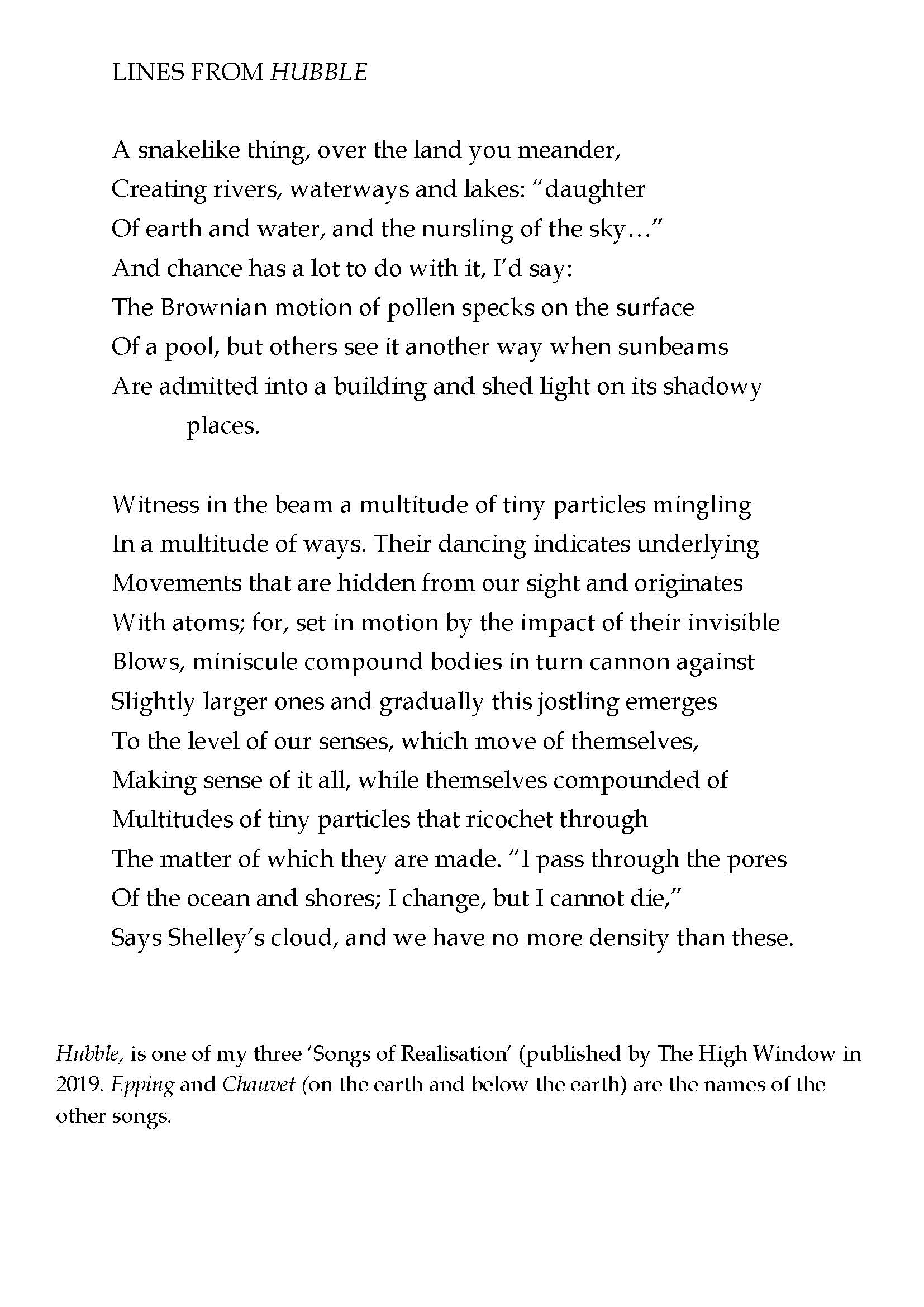

Two Sequences of Poems by David Plante
I am proud to introduce these two sequences by David. He and Nikos Stangos were vital components of the London scene in the 60s and 70s – two people I would see as often at art events as at literary events.
And see if you can pick up a copy of Pure Reason: Poems by Nikos Stangos
This is a wonderful book of poems accompanied by pieces of art dedicated to Nikos, all superbly reproduced by the publishers Thames and Hudson, a tribute to their former editor.
You are unwilling to be vaccinated against COVID-19.
She is a male who has just won a woman’s swimming-competition.
Is Hunter’s laptop his confession?
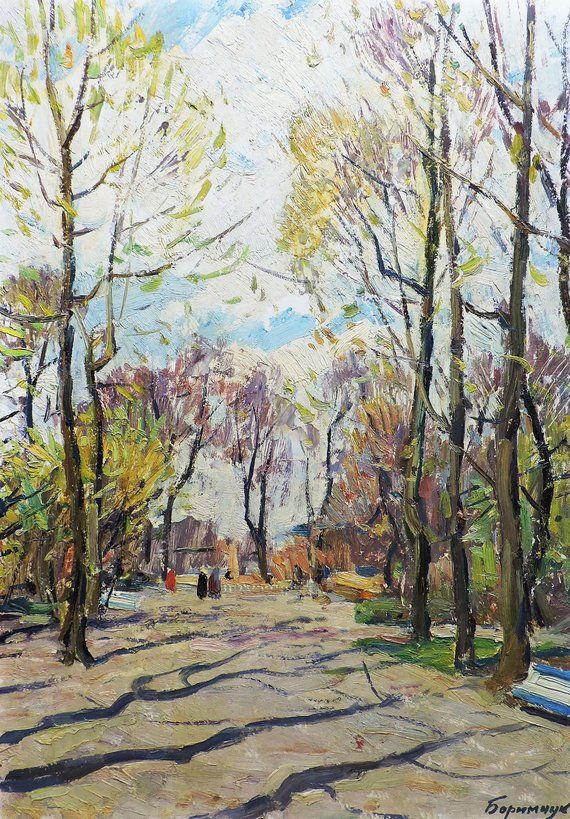
The trees have started losing their confetti.

Terrific article in Artsy about this restless sitter by Alina Cohen
Click the link for a Celebration of Grey Suit Editions UK
Grey Suit celebration!
Tuesday 22 March from 6.30 pm – with a reading at 7 pm. at The Rugby Tavern in Bloomsbury
All welcome. Please let friends know. There will be free wine and nibbles.
Rugby Tavern, 19 Great James Street, WC1N 3ES
Here are examples of the work of the authors
More details – 0208 801 8577
Please come to Grey Suit celebration! Lorraine Mariner, Donald Gardner and Anthony Howell will be reading, and Callie Michail will read some poems by Iliassa Sequin.
Featuring the pamphlets and books we have published during lock-down
Lorraine Mariner’s fabulous chap-book Anchorage
Iliassa Sequin’s Collected Complete Poems
Donald Gardner’s New and Selected Poems
and my novel The Distance Measured in Days
All welcome. Please let friends know. There will be free wine and nibbles and all our publications will be for sale.
Rugby Tavern, 19 Great James Street, WC1N 3ES
More details – 0208 801 8577
Lorraine Mariner was born in 1974 and lives in London where she works at the National Poetry Library, Southbank Centre. She has published two collections with Picador, Furniture (2009) and There Will Be No More Nonsense (2014) and has been shortlisted for the Forward Prize twice, for Best Single Poem and Best First Collection, and for the Seamus Heaney Centre Poetry Prize.Review of Lorraine Mariner’s Anchorage – now in London Grip
Iliassa Sequin was born in 1940 on a small island in the Cyclades, where her father was a high school teacher. Soon after the family moved to Athens. With musicality in language uppermost in her concerns she developed an original poetic style and this led to her being befriended by Odysseas Elytis (later a Nobel prize winner). Family opposition to her career as a writer and an actress prompted her to move to Germany. From then on she flitted between Germany, Italy, France and Sweden becoming a friend of Peter Weiss and Susan Sontag, Giuseppe Ungaretti, André du Bouchet and Paul Celan. John Ashbery published her work in the Partisan Review, and a sequence of her quintets was published by Peter Gizzi in O-blek Editions. Later she moved to Britain, and married the artist Ken Sequin. Her work is notable for its musical beauty, its distinct structure and particular typographical decisions. She died in the winter of 2019.
Donald Gardner was born in London, but has largely lived outside the UK, moving to the Netherlands in 1979. He began writing poetry in the early 1960s, when he was living in Bologna as a Prix de Rome historian. Later he spent some years in New York where he was a lecturer in English Literature at Pace College. His first live reading was at the Poetry Project on Saint Marks Place and in 1967, he took the stage at the East Village Theatre, in the company of Ginsberg, Gregory Corso and others. On his return to London, his first collection, Peace Feelers, was published in 1969 by Café Books. A second collection followed in 1974, For the Flames (Fulcrum). Recent books are The Wolf Inside (Hearing Eye, 2014) and Early Morning (Grey Suit Editions 2017). Gardner has always been a literary translator, as well as poet, initially of Latin American writers: The Sun Stone by Octavio Paz and Three Trapped Tigers by Guillermo Cabrera Infante. He has also translated many Dutch and Flemish poets and in 2015 he won the Vondel Prize for his translations of Remco Campert (Shoestring Press). Now in his eighties, he continues to write poetry and to translate other poets and is an acclaimed reader of his own work.
Anthony Howell is a poet and novelist whose first collection of poems, Inside the Castle was brought out in 1969. In 1986 his novel In the Company of Others was published by Marion Boyars. Another novel Oblivion has recently been published by Grey Suit editions. His Selected Poems came out from Anvil, and his Analysis of Performance Art is published by Routledge. His poems have appeared in The New Statesman, The Spectator and The Times Literary Supplement. His articles on visual art, dance, performance and poetry have appeared in many journals and magazines including Artscribe, Art Monthly, The London Magazine, and Harpers & Queen. In 1997 he was short-listed for a Paul Hamlyn Award for his poetry. His versions of the poems of Statius were well received and his versions of the poems of Fawzi Karim were the Poetry Book Society Recommended translation for 2013.

I found this perception @Robert-Self
I thought it made two stunning points to consider.
Also this was what Kim Iverson found.



 anthonyhowelljournal