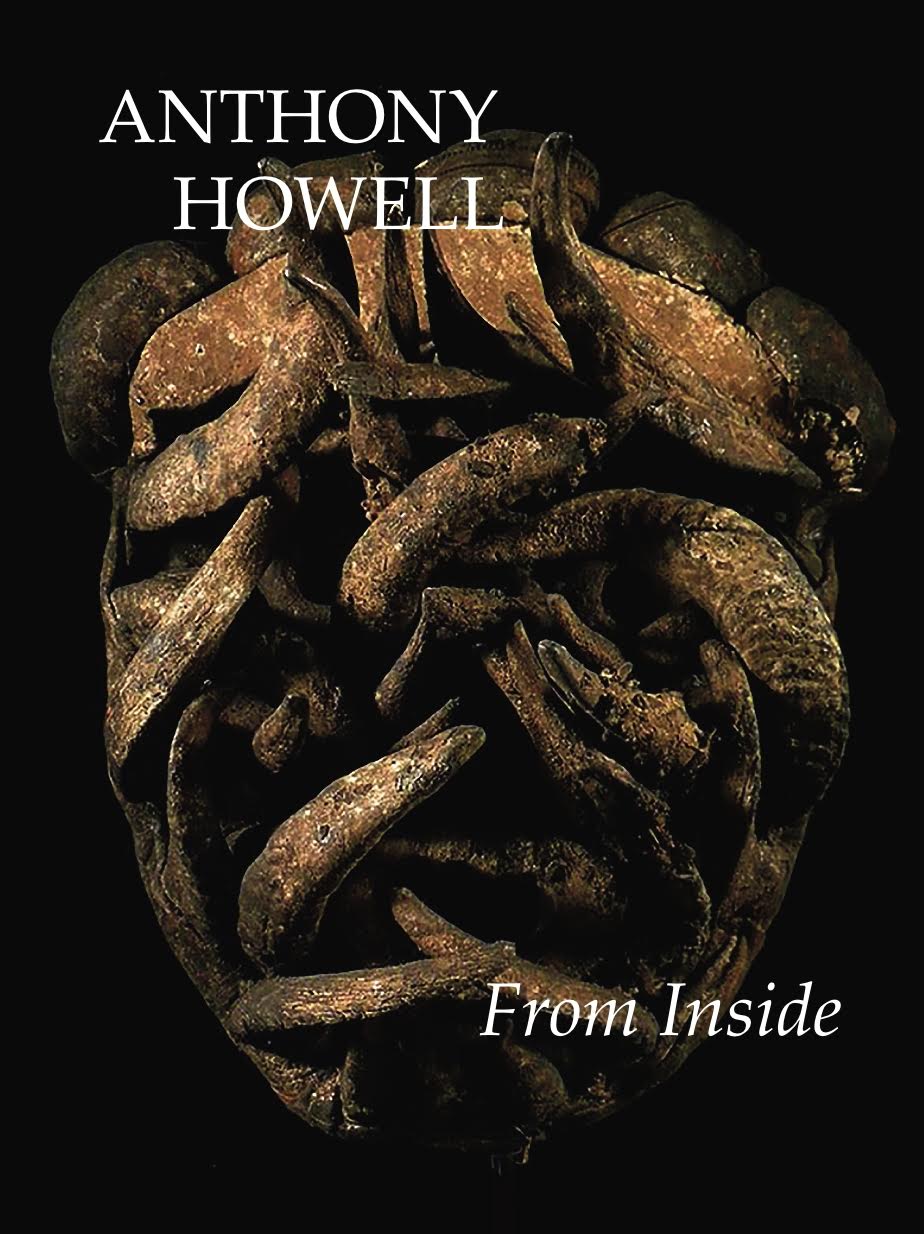
@redactedinc just posted a piece about Israel’s “Pearl Harbour”. Well, Redacted, in 2017 I published “From Inside”. One poem in this collection is called A PEARL HARBOUR DAY. Another poem talks about the PNAC – which you also mention in the same piece.
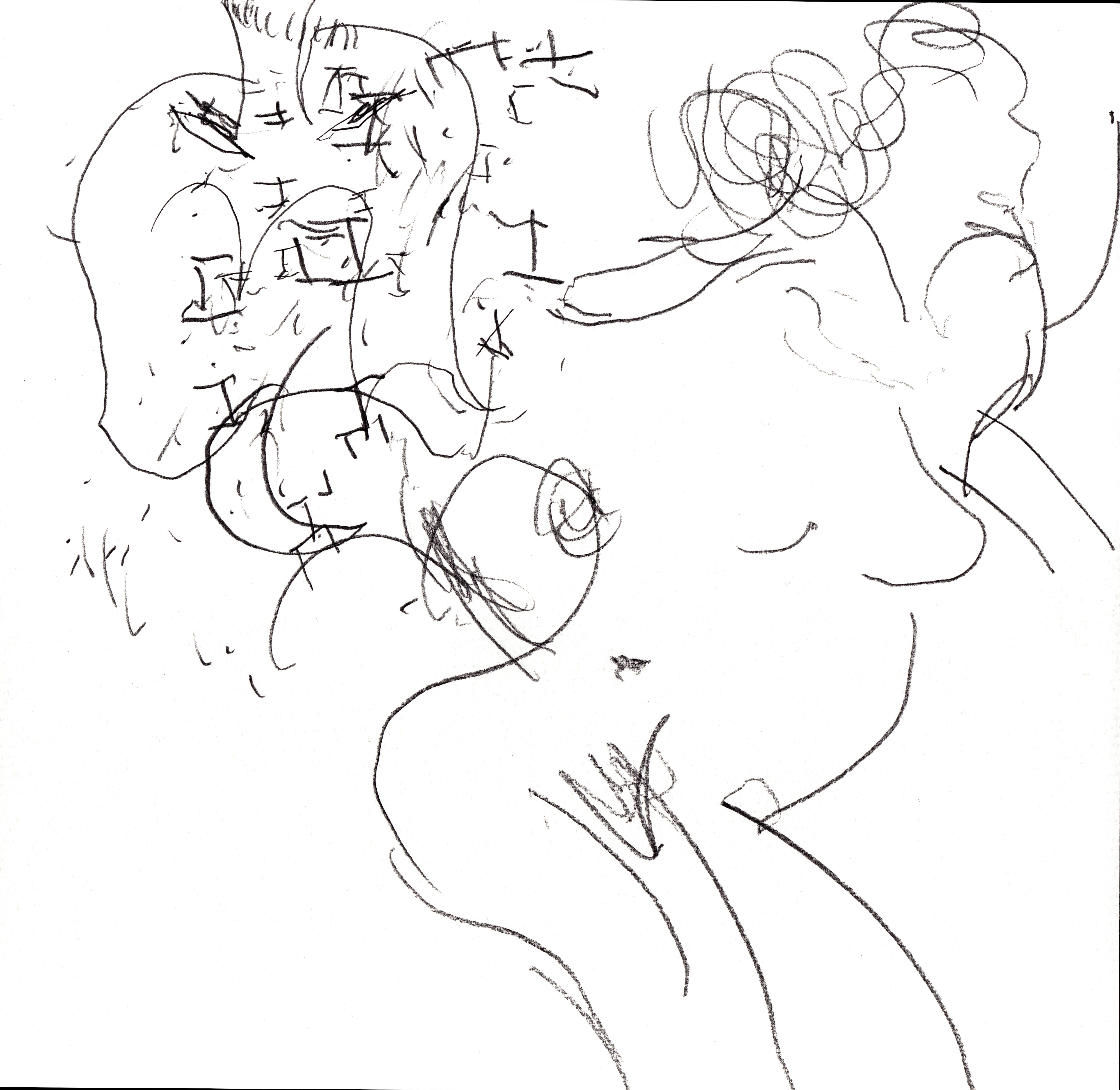

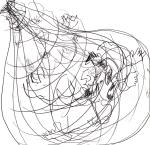
Since starting to draw with my eyes closed in March 2023 I have been investigating the myth of Aphrodite, Ares and Hephaestos. See Vulcan’s Net and LIW.
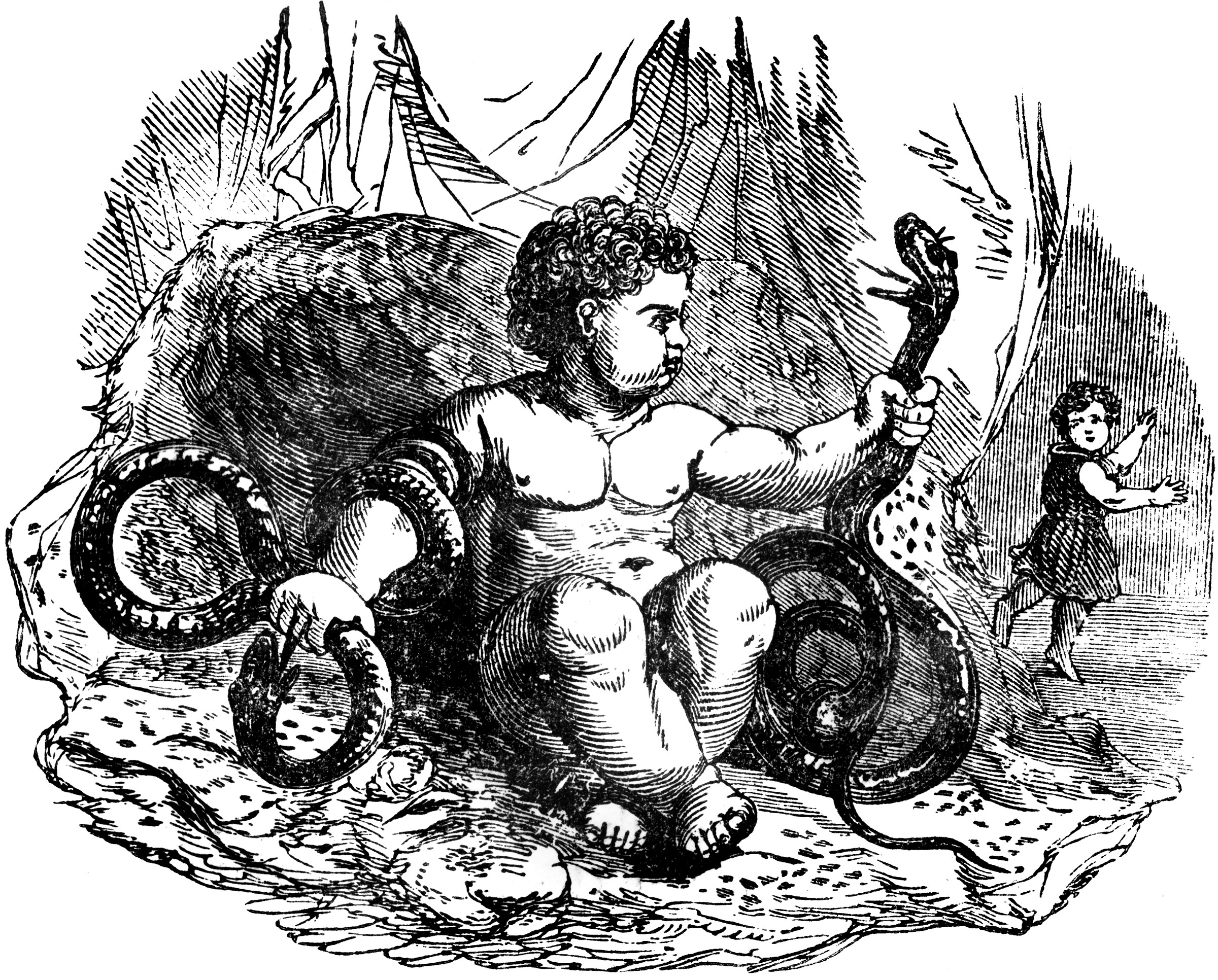
In the Iliad, as in the Ramayana, wars are caused by the abduction of a woman. And yet, in ‘real life’, war seems especially male. However, myth places Ares and Aphrodite in the trap of the net made by Hephaistos (Aphrodite’s crippled arms-maker husband) which Hephaistos places over the marriage bed. The myth is well told in the Odyssey – see Vulcan’s Net for Chapman’s translation of the tale.
I refer to this story in Book 1 of The RUNIAD – the epic poem I completed in 2025. The link takes you to the Heyzine book where you can read this work in progress.
Aphrodite (or Venus) is the goddess of beauty. She can be a celestial beauty – as in Botticelli’s Venus – a perfect example of the Fibonacci Series and human attractiveness. She can also be Aphrodite Pandemos, the goddess of prostitutes.
Ares (or Mars) is the god of war. He is not a master of strategy (his sister Athene is the goddess of wisdom in war). Ares is a brutal exponent of mayhem. He is a mercenary and a thug.
Hephaestos (or Vulcan) was born deformed, and his mother Hera threw him out of heaven. When he crashed into the earth he broke his leg. So he is both crippled and deformed. However he is the maker of all weaponry and the other gods are indebted to him for their beautiful winged sandals, javelins, helmets of invisibility and so on. He trapped Aphrodite’s mother into giving him her exquisite daughter as his wife. But Aphrodite was always a whore from the hips down. She has intercourse with Ares because he showers her with gifts. When caught with Ares in the net, release comes only when the bridal price has been paid back to Hephaistos – which leaves a giggling Aphrodite free to go off and open a brothel on Cyprus.
War, beauty, the arms industry. All so intimately entangled.
A prisoner may be offered a choice: become a mercenary and risk death but be released from jail.
A woman may make a choice: become a prostitute and renounce love for anything but financial remuneration.
The mercenary on rotation seeks a woman in the brothels of the capital.
With my eyes closed, I wanted to draw subjects that cannot be seen clearly – as in the “fog of war”, as when sexual passion “clouds judgement”.
I’ve no sense of proportion, and sometimes the sheet is turned through 90 degrees or 180 degrees. I am limited in my perception. I am a blind observer.
There is also Norman Walter’s book THE SEXUAL CYCLE OF HUMAN WARFARE published during World War 2. I can’t recommend this book too highly. It should definitely be republished.
Citadel of Aleppo. Aleppo, northern Syria. The inner gate of the citadel.
Brilliant interview with Vanessa Beeley, the only journalist to be trusted on Syria.
I used to visit the souks of Syria buying kelims, and I fell in love with the country, as I fell in love with Serbia – back when it was part of the wonderful Yugoslavia – which the West destroyed. Just as, being a ballet dancer originally, I admired and always will admire Russians, and found such a welcome in Saint Petersburg.
The link opens my flipbook which can be read for free. And do please share that link with friends who enjoy reading.When the link opens on the cover of the book you see a little arrow at the bottom corner right. Click on it and the pages turn. I suggest turning off the sound and enlarging to full screen.
Over 800 readers already! And these novellas are picking up 100 readers a week. I am so pleased. Thanks to all of you. And do please share the link with your friends. My aim is to gain a wider readership. Reviews welcome. And I suggest turning off the sound when reading the text.
In Beautonia, the tale of Briar Rose – or Sleeping Beauty – is lifted out of the context of Grimms Fairy Tales and given a twentieth century setting and a Balkan location. The emergent tale thus becomes enigmatic. Is it perhaps a parable concerning some contemporary predicament?
Bellamy’s Stroller conveys us into an animated panorama based on Hogarth’s illustrations of eighteenth century England, where the life of the theatre and the theatre of life are forever getting confused. Events swing from triumph onstage to tragedy in reality and the story culminates in a scene derived from Defoe’s History of the Pirates.
In The Surrogate, the Amphitrion of Plautus – a comedy – is turned upside down and retold as an intense psychological drama from the point-of-view of the abused wife of the hero. As she advises her future daughter-in-law against marrying her firstborn son, we are drawn into the terrifying events which preceded his birth.
The tavern had a large parlour located at the back of the building, while the tavern itself was located about five miles away from the border.
This parlour was where the life class Pavel was teaching took place. At the time of the conflict, about fifty people were engaged in drawing there. The model was a lovely young woman who was the wife of one of those who were participating. The parlour was not very large, and although there was a waiting list for it, there was simply not enough room to take any more than fifty in the class at any one time. Apart from the model, all those taking the class were men.
The tavern was the last before the border, and the only one between the border and the cities to east of it. Those cities were a considerable distance away, and the border was only to be reached via a gorge. The tavern was located at the end of this gorge, or at its threshold – were you to be travelling from the border towards those cities. However, nobody was travelling in that direction. Everyone was heading for the border.
In this sector, the major responsible for the efficiency of the recruitment squads had learnt that Pavel was an artist from the sergeant of the squad which had dragged him out of his studio; a studio located deep in the woods.
Pavel had hoped that his studio would never be discovered.
When the major learnt that Pavel was an artist, he was removed from the armoured troop transporter just before this vehicle, packed with fresh recruits, left for the front to the east of the cities.
‘Although some might consider me a cold-blooded authoritarian, I do appreciate art,’ the major told Pavel. ‘And I will take it upon myself to delay the recruitment of any man who displays a talent in this regard. But how are we to discover which men are talented and which are not?”
It was thus that the life class had come about.
Everyone knew that this class was a risky business. Heat-detecting sensors in the drones used efficiently by the enemy might well pick up on the warmth generated by fifty men in the back parlour of a tavern, however remote that tavern might be. However, the chance of a direct hit on the tavern was less than the chance of extermination in the grey zone into which the recruits were to be herded at gunpoint, so the option to join the class was popular among those apprehended in the woods, or at the exit to the gorge.
Once a day the major inspected the class and its results. If a drawing struck him as displaying talent, the major appropriated the drawing and the man responsible for it was allowed to continue participating. Only one talentless individual was suffered to remain in the class. This was the husband of the lovely woman who displayed herself naked to the sketching men.
Though lucky in his wife, the man had not an iota of artistic talent. He drew her either as a medley of sticks or as a more or less rotund shape with some sticks attached.
His ineptitude did not go undetected. And so the major had ordered that the man be ejected from the class and sent to the transporter with immediate effect.
At this, his wife had relinquished her pose and begun to put on her clothes.
The woman was indeed lovely. The wives of the other men fleeing from the cities were thick ankled, overweight and plain.
While priding himself on his appreciation of art, the major had a somewhat naïve grasp of aesthetics. Much to the chagrin of other talentless individuals, her husband’s lack of ability continued to be tolerated, both by the major and Pavel.
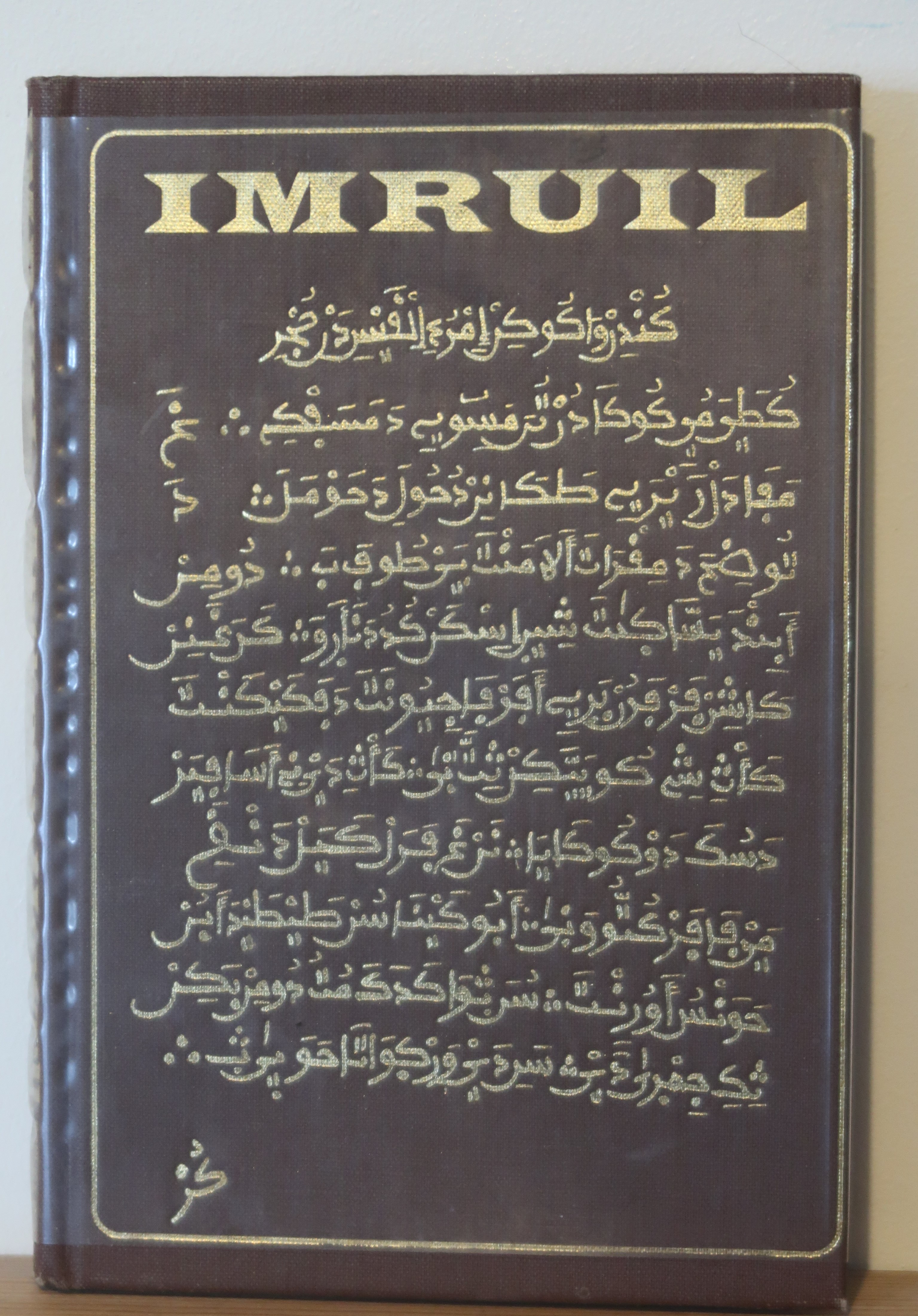
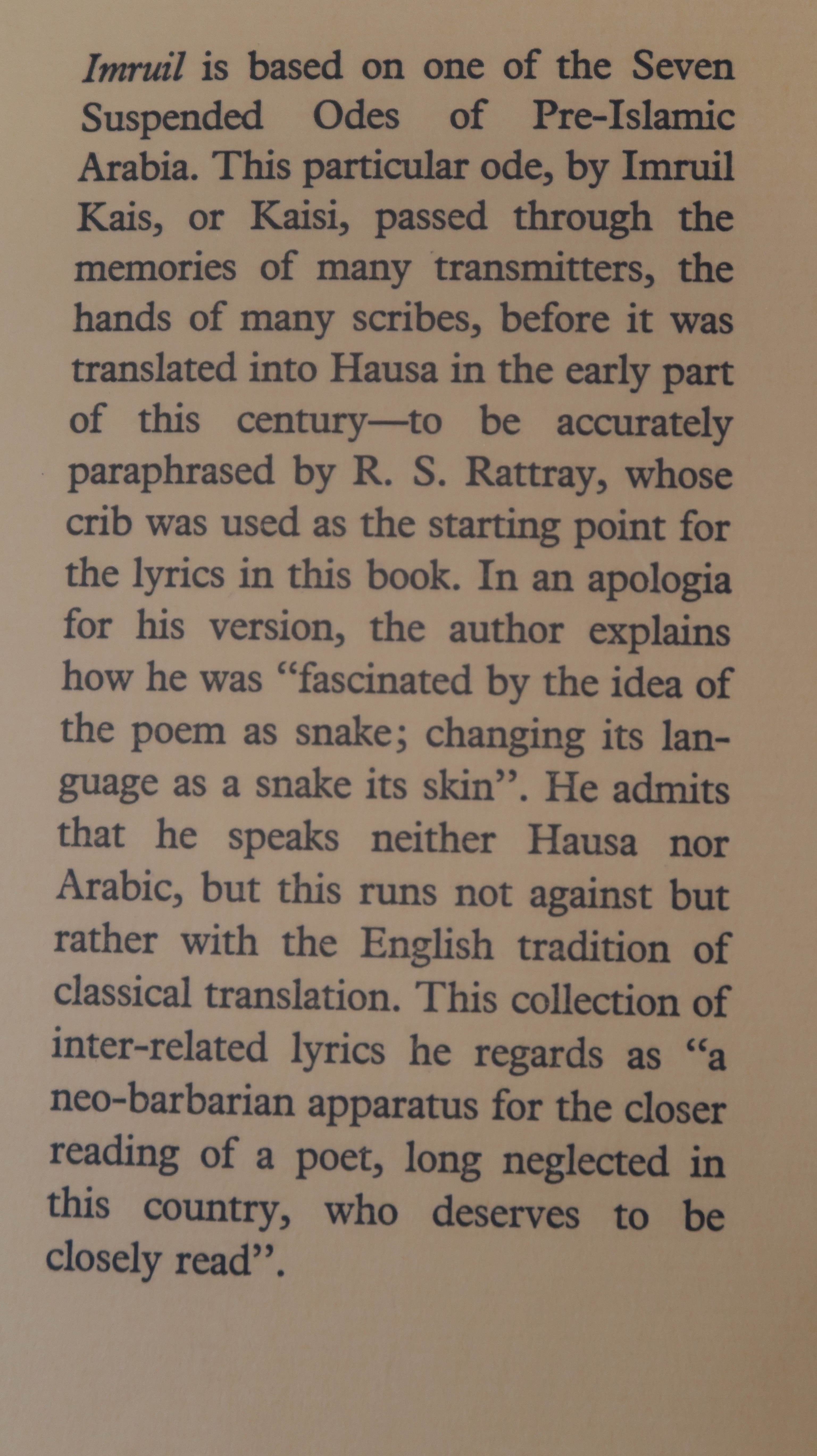
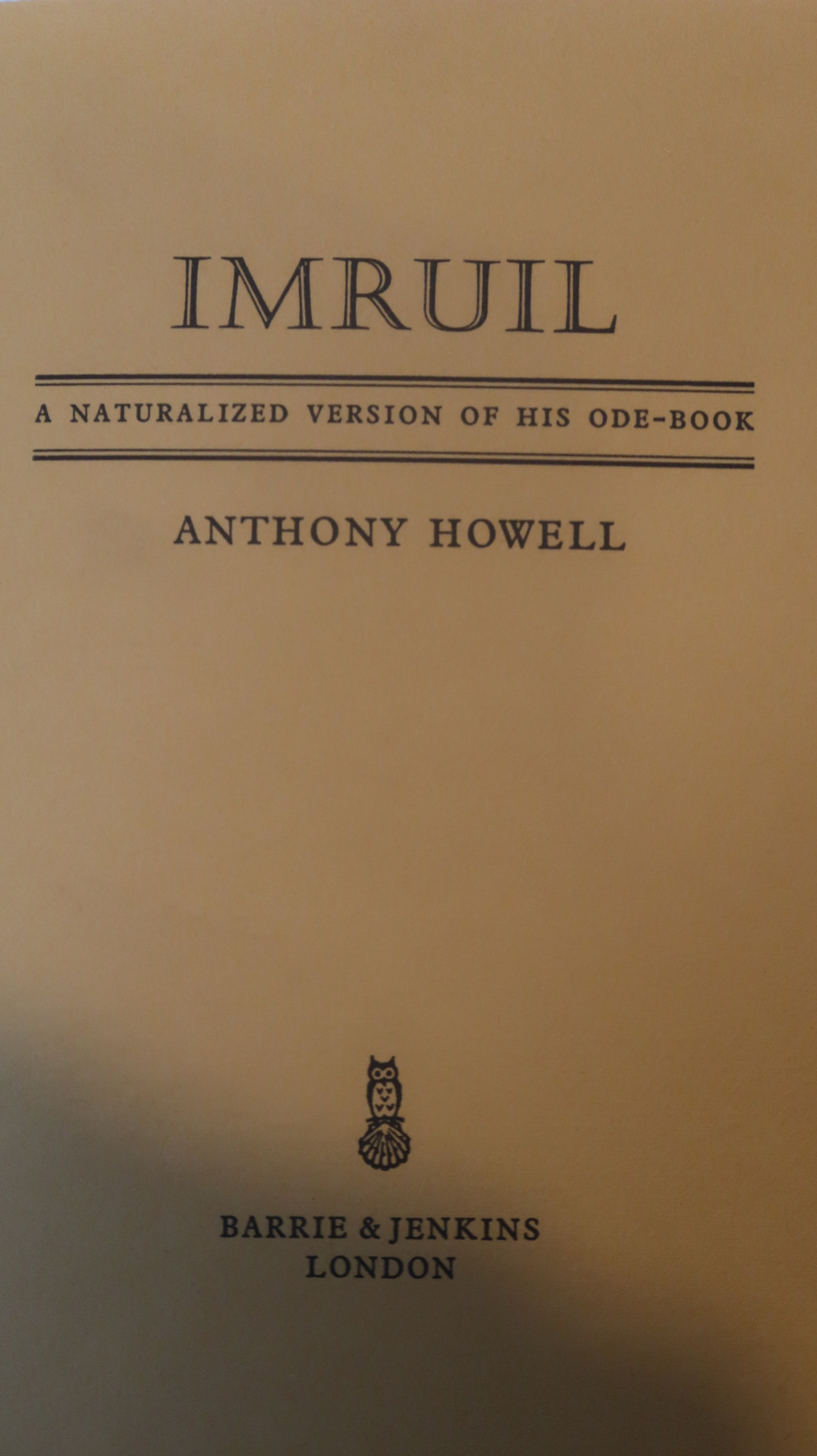
Imruil – A naturalized version of his ode-book – one of the seven ‘suspended odes’ of pre-Islamic Arabia – came out in 1970 from Barrie & Jenkins, whose editor at the time was Christopher Maclehose.
 A SELECTION OF LYRICS FROM IMRUIL

Where She Dismounted

Droppings like pepper-tree pods, these courtyards
Haunted by the white gazelle.
Place between here and there and there and here.

Nothing takes root now, nothing.
Only the sand may nibble these flagstones.
Vanity builds such effective monuments.

Look, as much as north wind covers
South wind reveals.
There is never enough sand.

One Who Slices Bitter Gourds

Friends who depart have their caravan routes
To keep them occupied.
Platitudes are all one may expect.

Patience is a virtue. Soothe the heart with tears.
Listen, I have wept patiently.
Where may I sleep among these ruins?

The pale thorn throws scant shade.
Even in the few hours left me.
The wind brings tears to the eyes.


Remote Caravanserai

Mother of Cloud, the maidenly rains
Drift westwards; to the east
An emaciated crone hoes the topsoil.

This is grief, the legendary, tears
Of desire for what is, after all,
Hardly lamentable: the wail
That greys a man’s fine beard,
Drenches his girdle, rusts his sword.

Feasting the Girls

Idiocy! My camel sank to its knees,
Stabbed in a frenzy induced by the giggles.
My saddle was made their trophy. Well
May you blush, sir, just as I would,
Were I younger, teased with the meat,
Garlanded with tassels of fat. Delicious!


Pleiades

Plump eggs are nested in those litters
Few design to raid - as if they were
Stone cold or not for the asking
To be had whenever the hen and her brood
Go peckety over the vast dark yard.
Unaizaki threads the brilliants,
Taking care to match them all in order,
So they form a necklet. “Wear it
And feel feathery.” Behind the screen
She shivers in her nightie. “Who?”

Ridge above Ridge

“Paws to yourself, please. What’s so clever
In going on your belly beneath the goatskins,
Nosing for goods the ostrich buried?
I’ll carry the lamp: when we’re dazzled
You make the blunders, but who takes the risk?
The vixen. She has to drag her brush
To cover the traces. Don’t play the fool
If you want me to do the same with the fringes
Of my cloak. What is out here
But dunes, and dunes more firm by far
Than any mounds a girl like me can offer?
And you still haven’t told me what we’re after.”
This led to a life-long interest in Arabic poetry and ultimately to my versions of the Iraqi poet Fawzi Karim – published by Carcanet.









 anthonyhowelljournal