
x
x
x
x
x
x
x
x
x
x
x
x
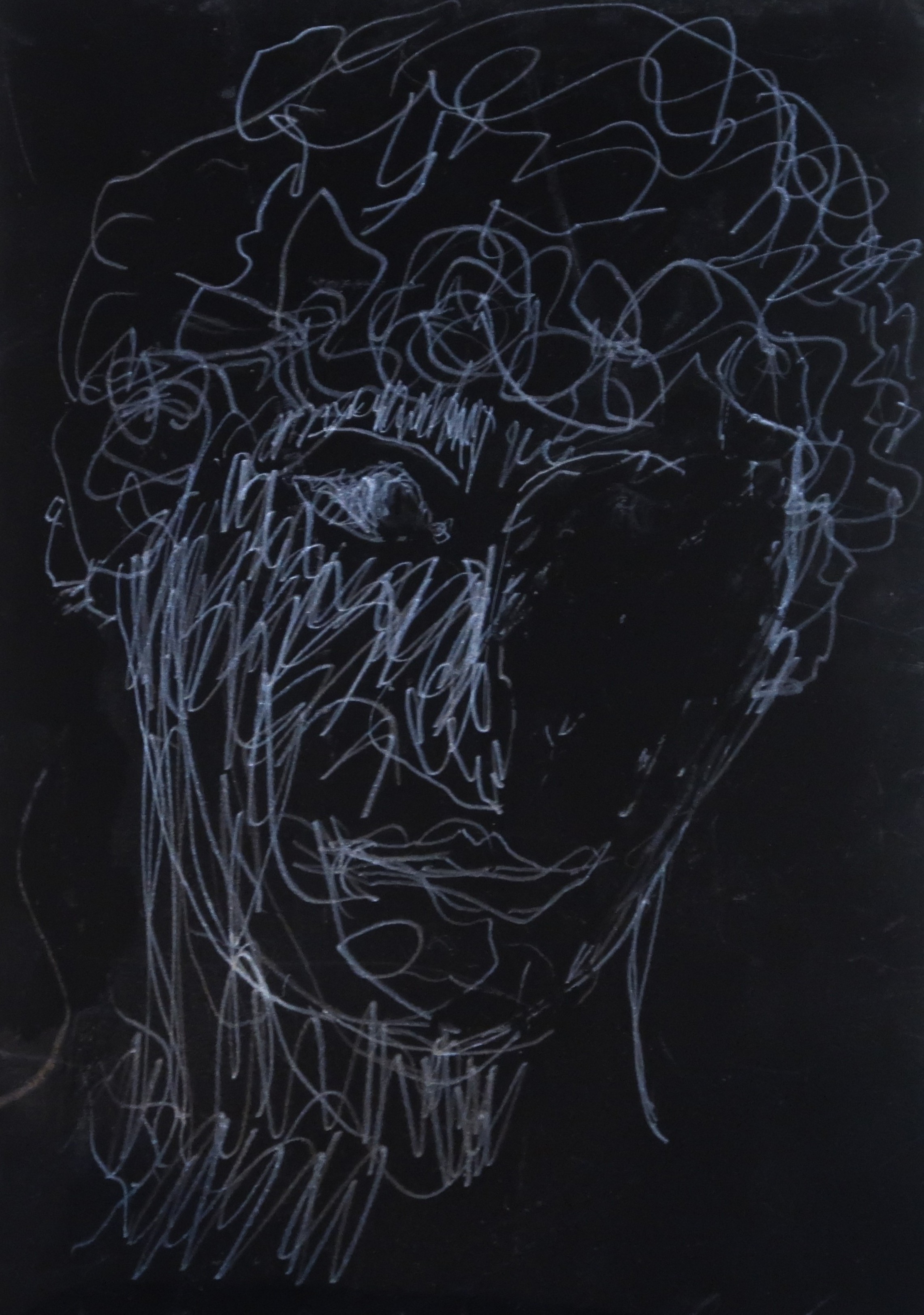
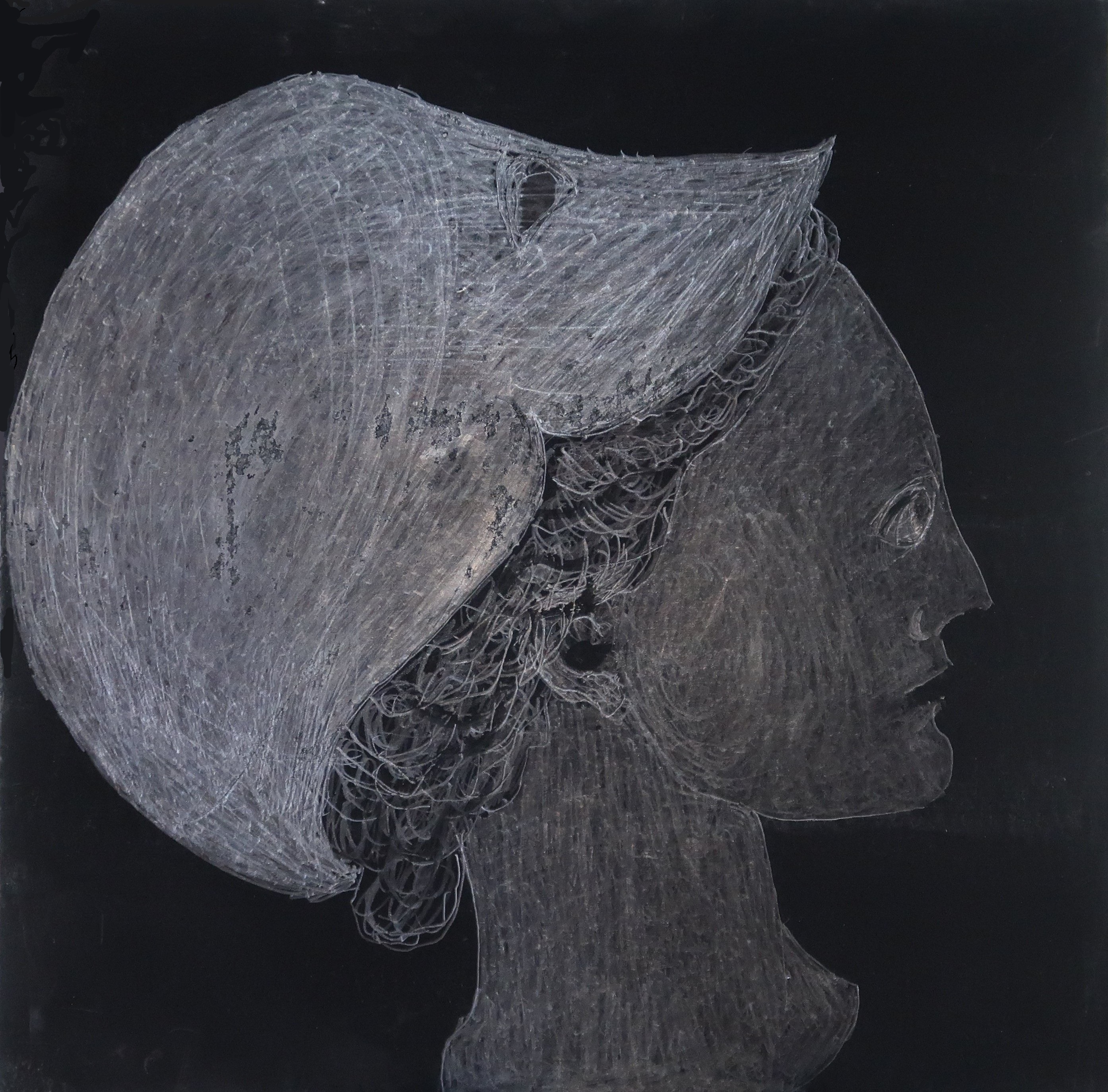
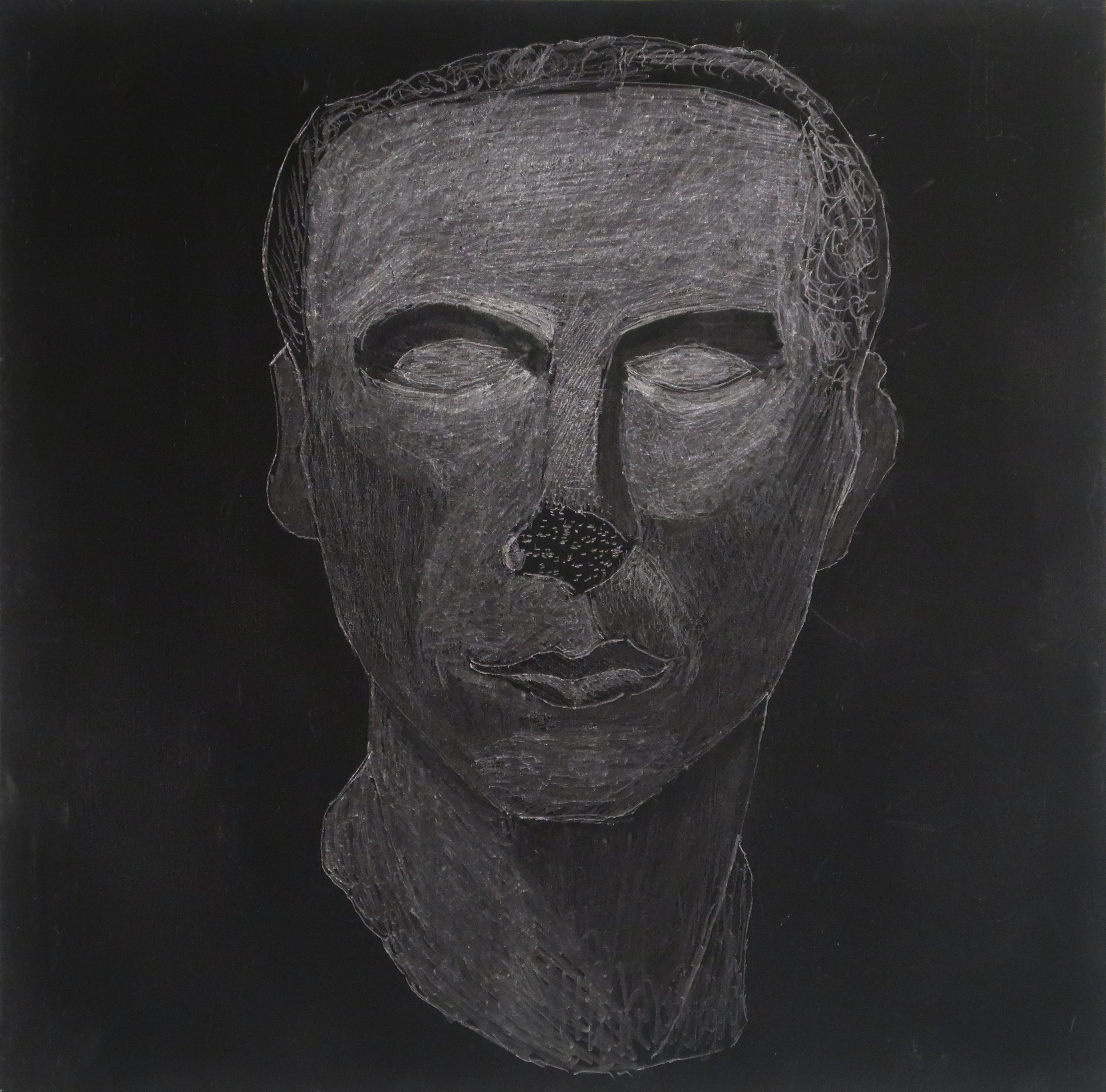
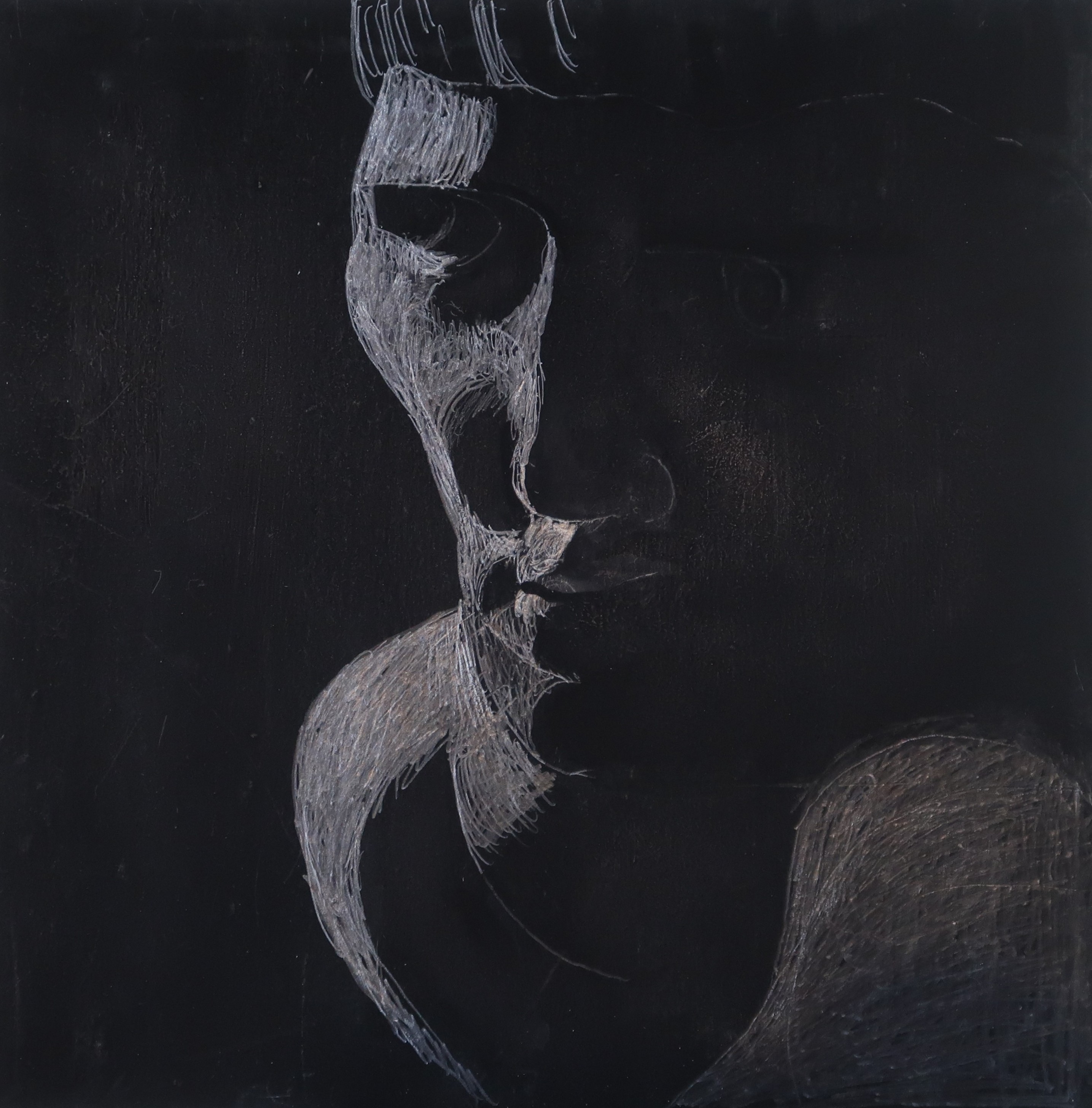
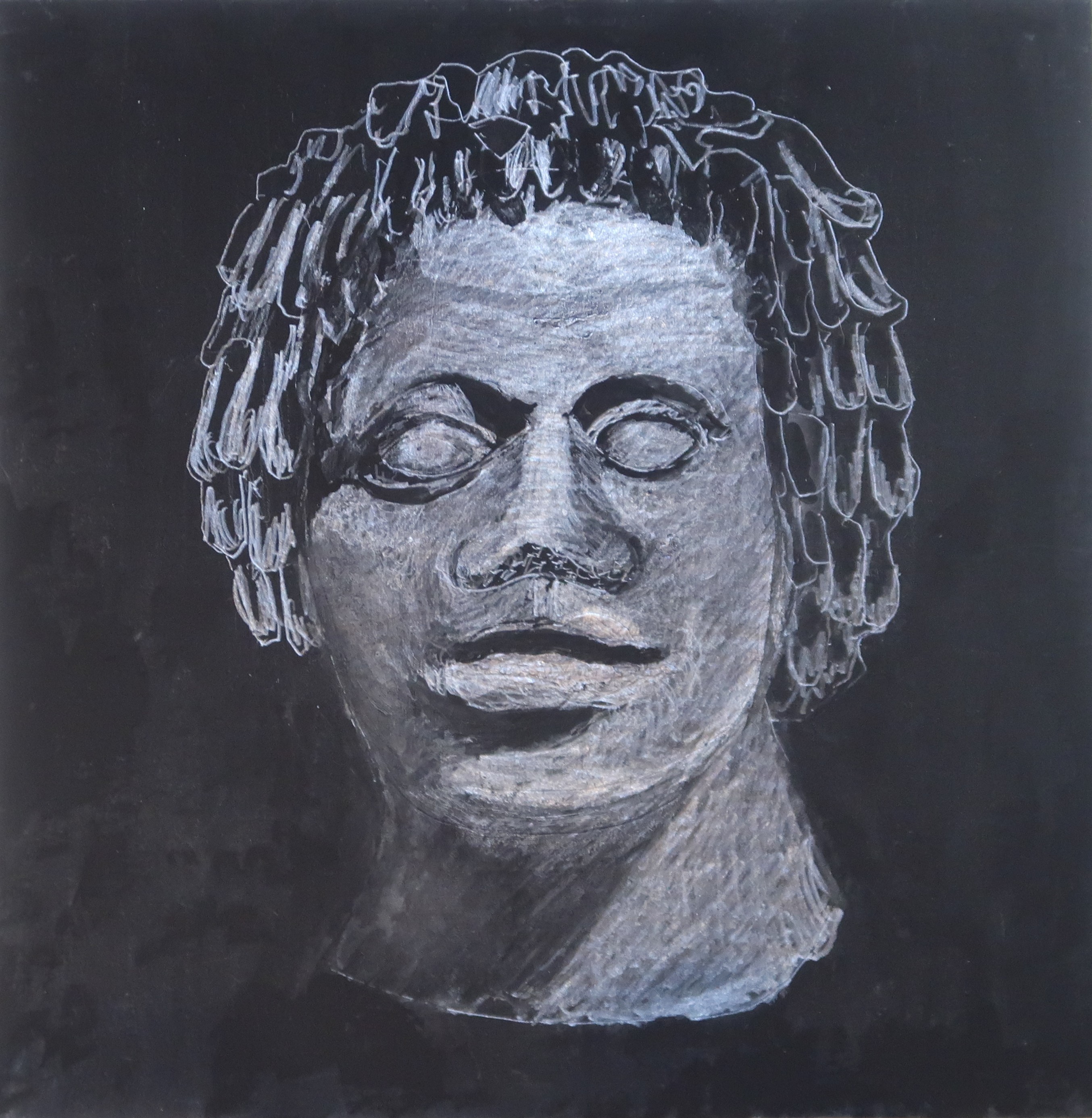
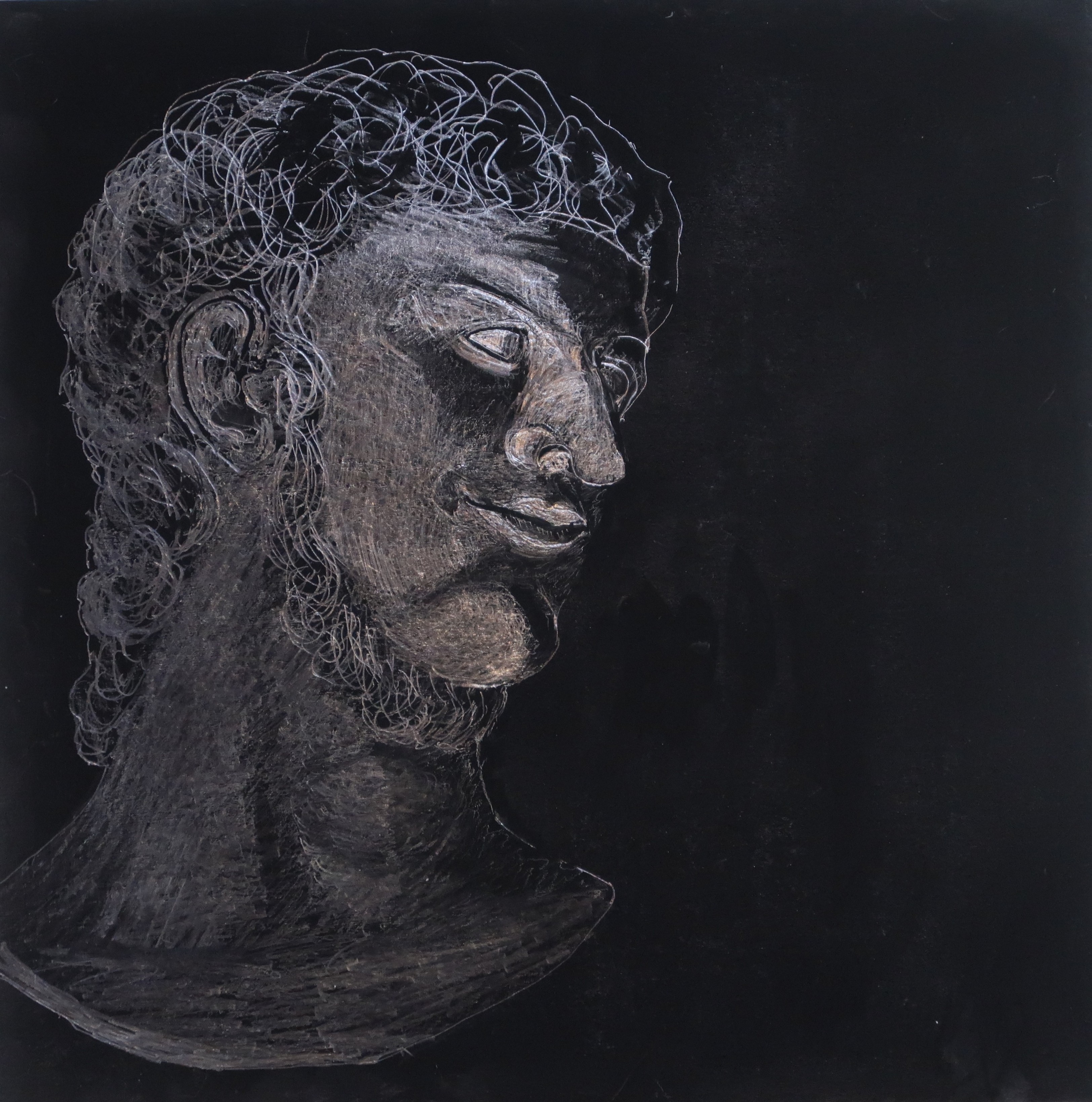
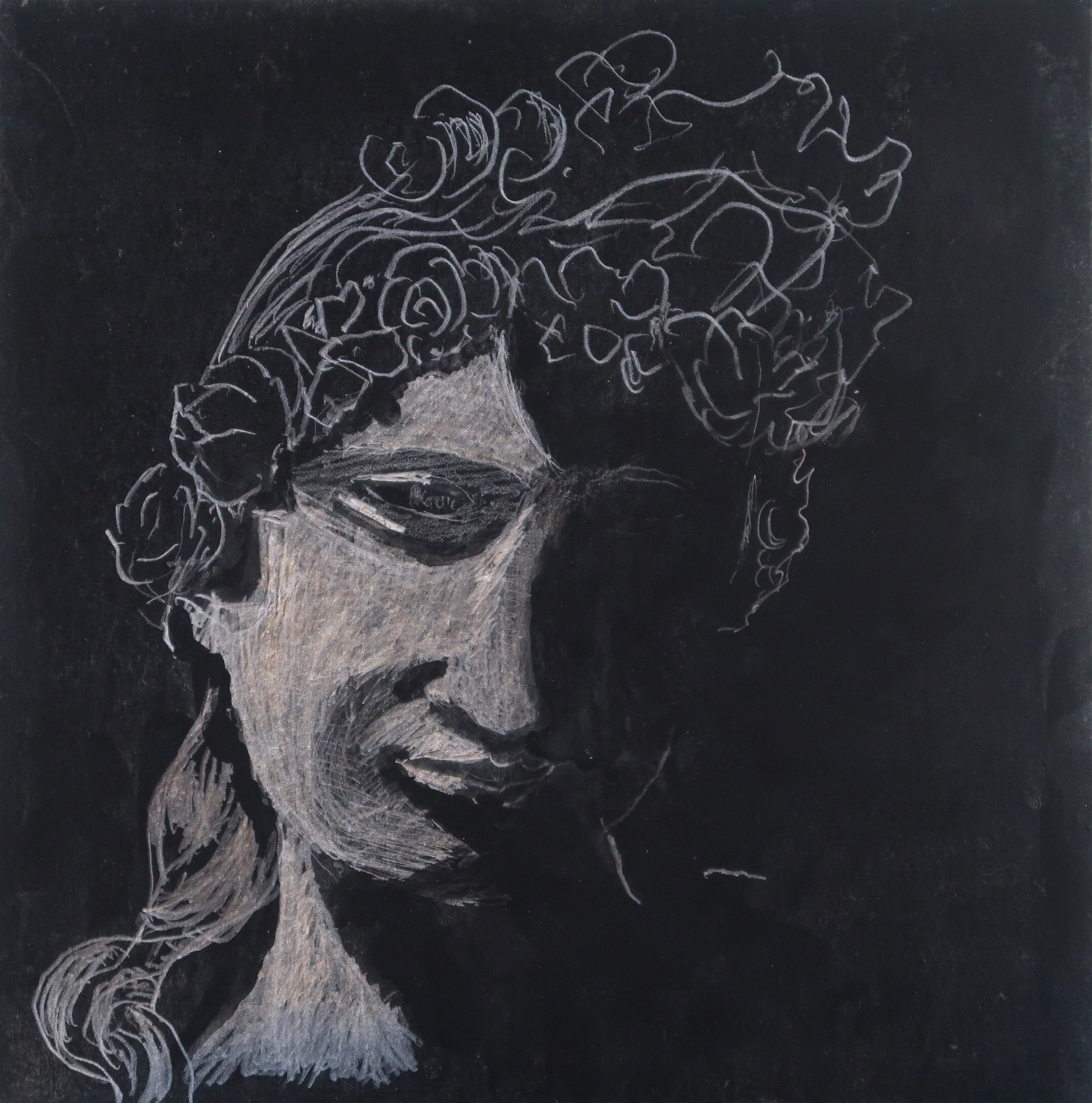
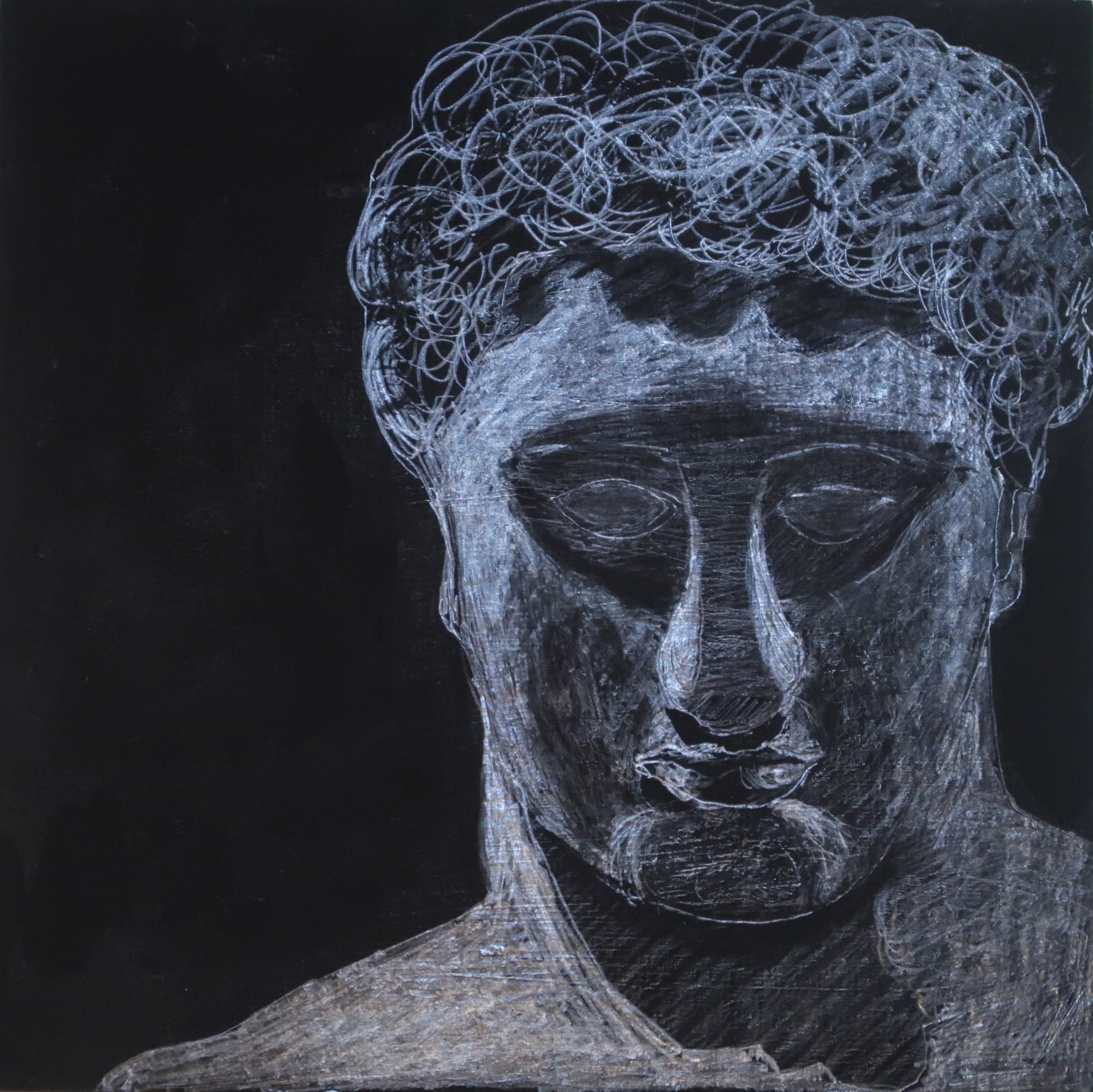
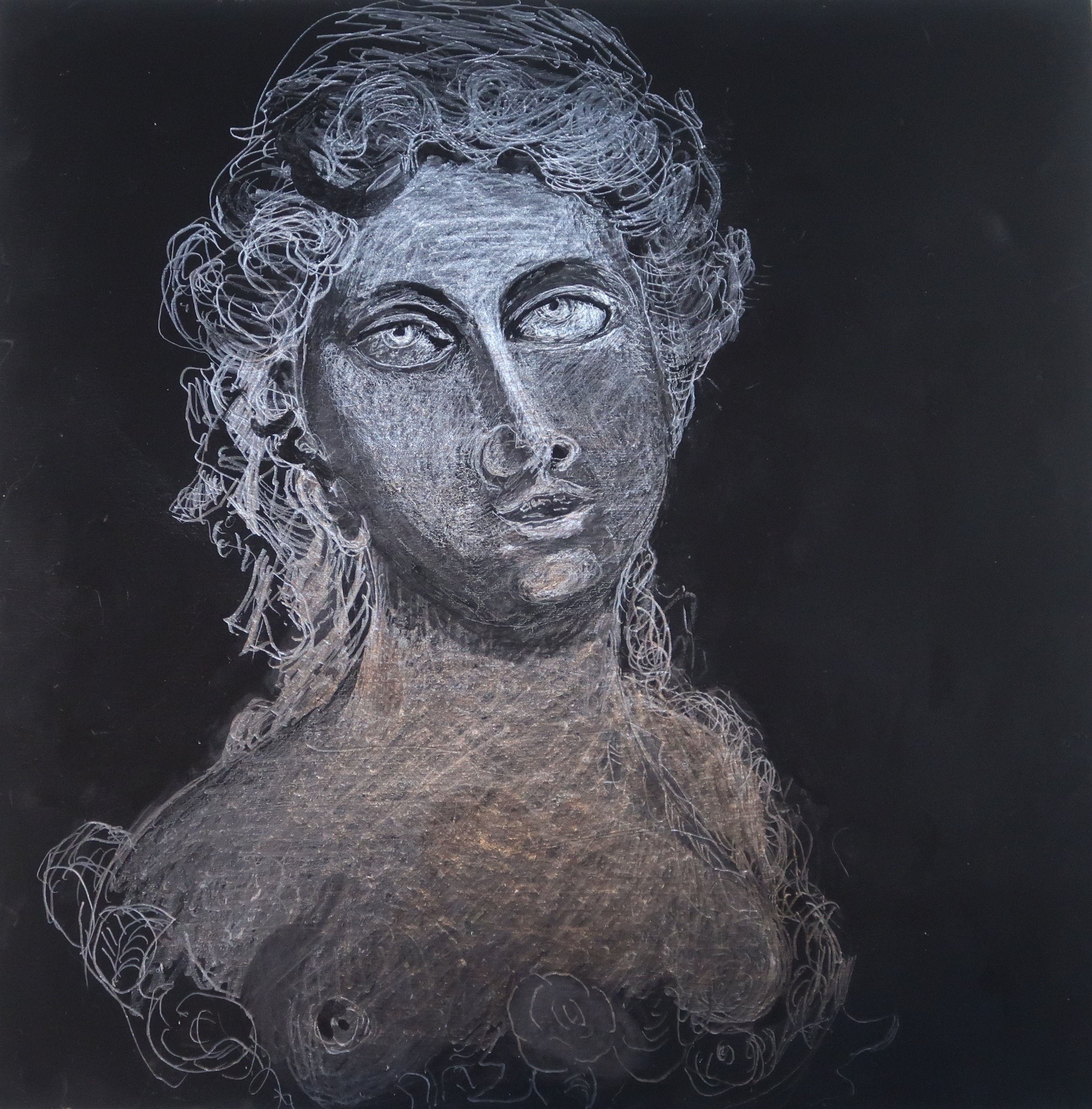
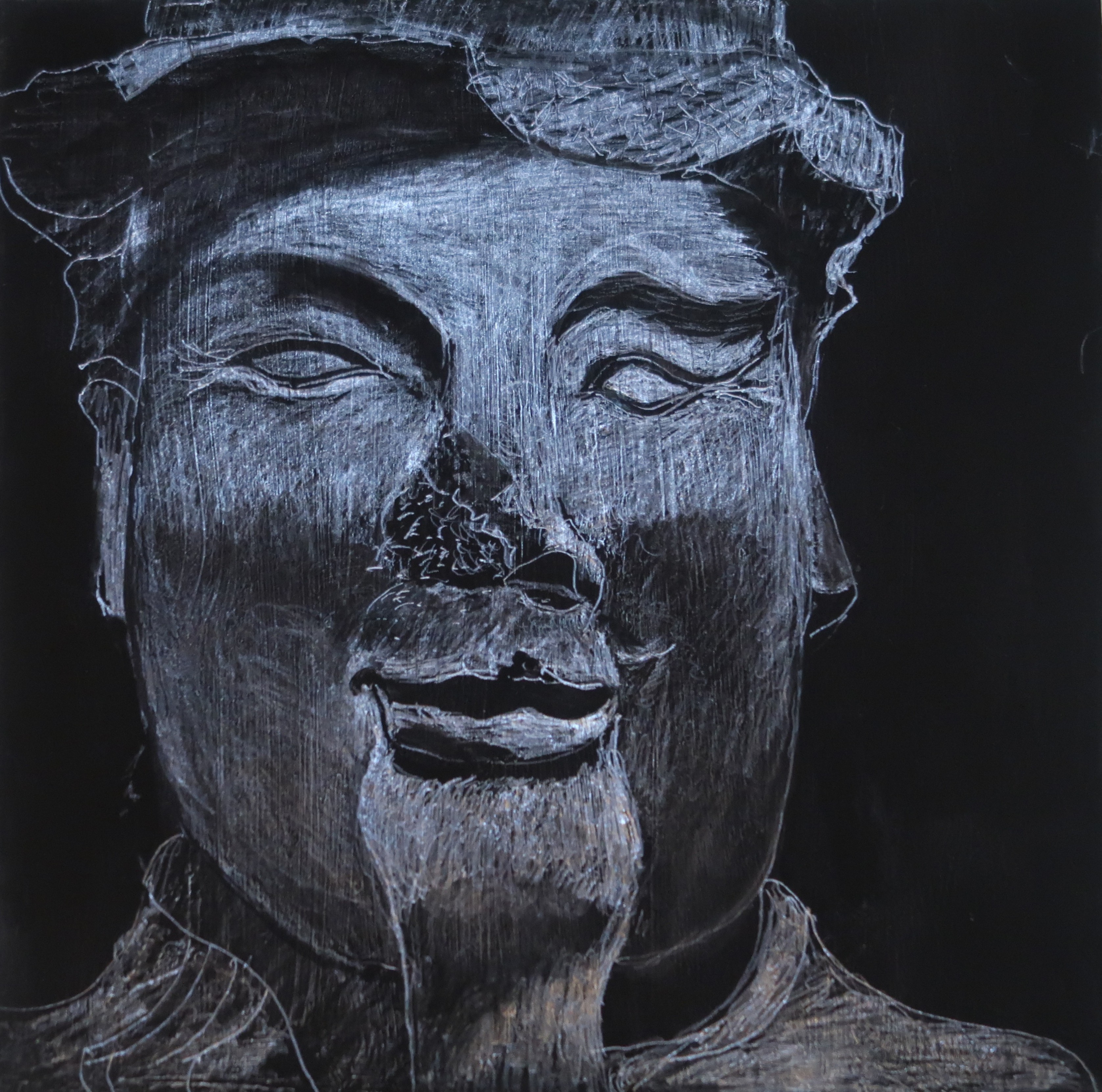
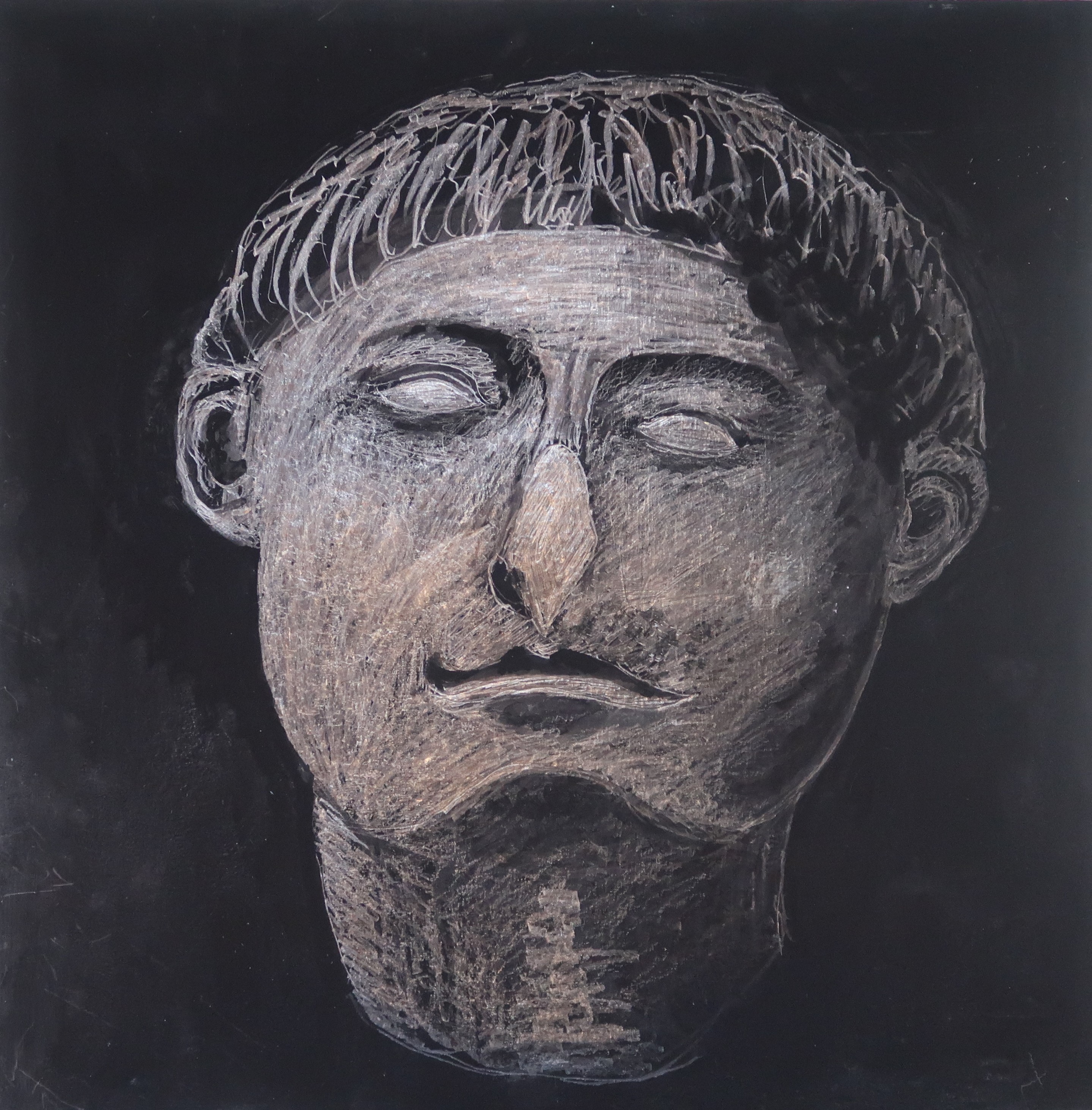
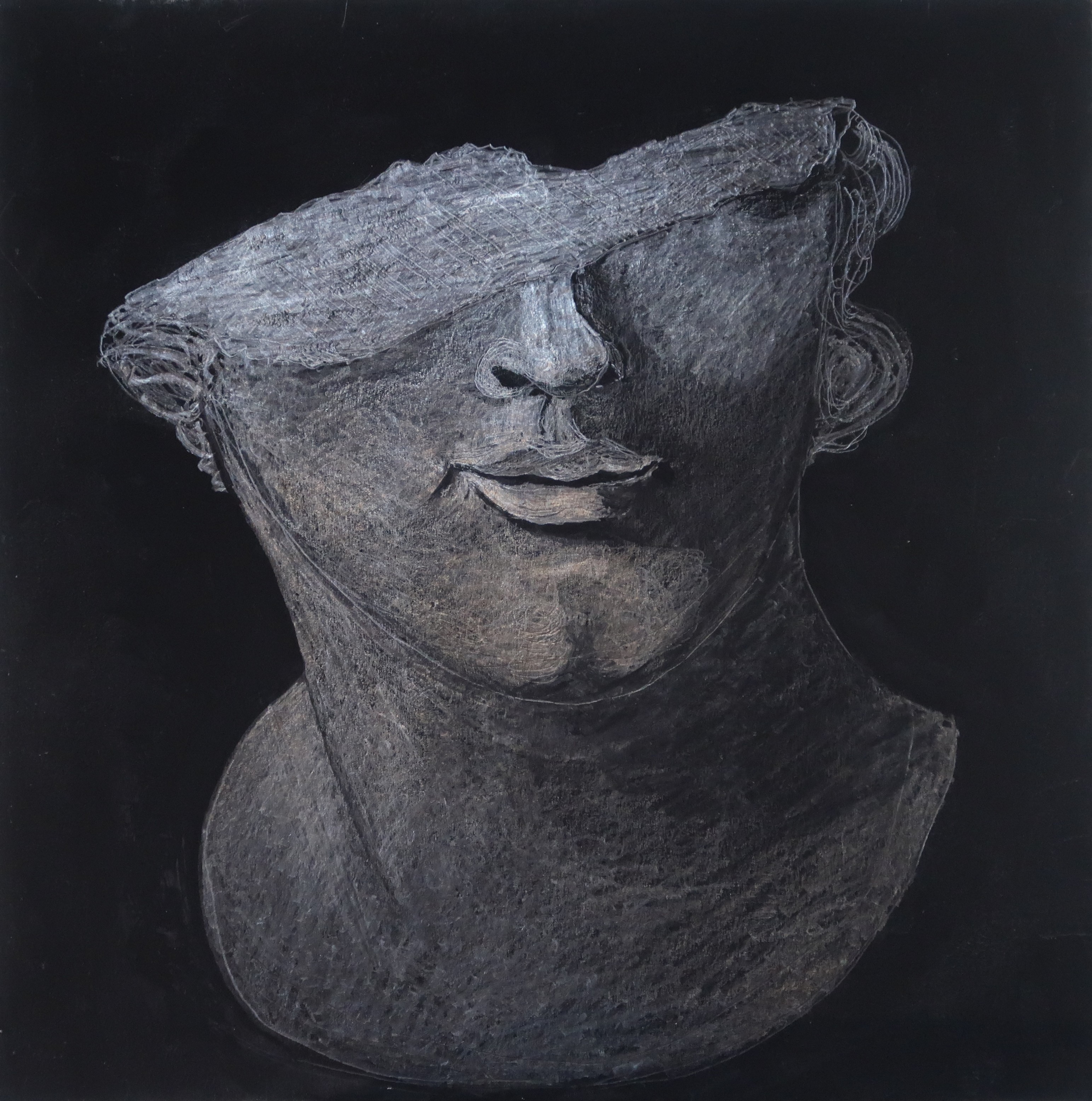
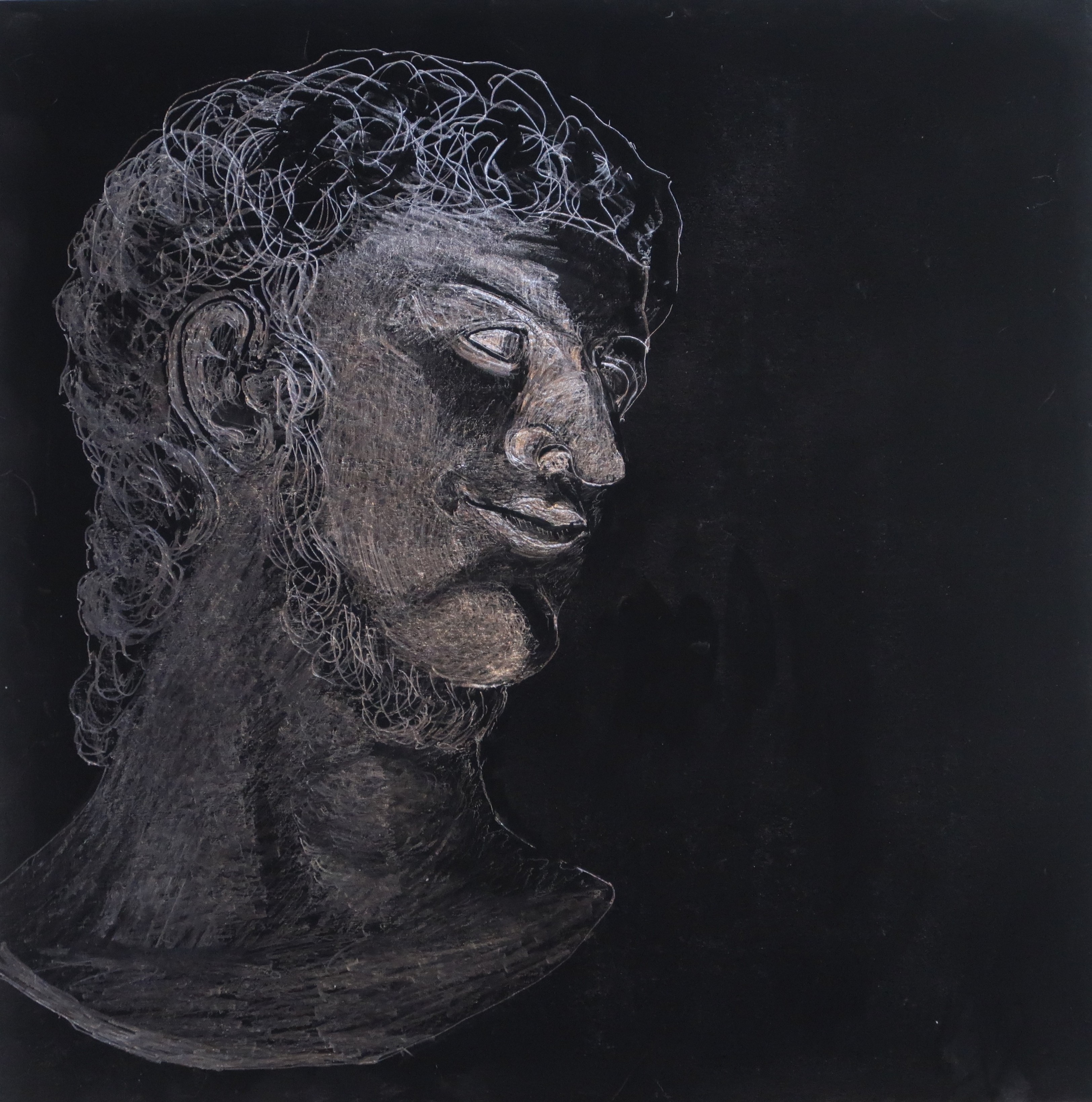
Drawn with 4B pencil on a Musou Black ground.
x
x
x
x
x
x
x
x
x
x
x
x
Drawn with 4B pencil on a Musou Black ground.
Let me count the ways crime actually pays
Big time. Once you’re handed the microphone,
You can make manifest future realities:
Hyperstition obtains by the telling of compelling stories,
x
Thus it is that prophecies become self-fulfilling.
Engineered through media repetition, they assume
A contagious virality. Objection, merely cacophony
Of the meek. Swamp each zone with a vision of crypto:
x
Soon each proves a cryptocracy. See Antichrist
In your crystal ball. Here He is, shambling down the aisle;
The robot taking Melania to bed. Just as those twin towers
Were built to be brought down, the Mafia beguile
x
By painting us into a corner of their predictive history:
Expectations of the end of the present age or of the world itself
Erect an eschatology popular with the Bank
Of International Settlements. Negative events will climax,
x
And, as the flames lick the monuments, trillionaires will sing
To their lyres. Greed is good. Poverty a sin
For which the punishment is slavery. Better sell your child
To the Elect. No way out. It’s wise to be corrupt.
x
Mate with your daughter, drink the adrenalized blood
Of innocent infants freshly arrived from Romania.
Best to commit a crime so overwhelmingly beastly
No one believes it – always act pious and priestly.
x
Gods understand this. A flood should be on your agenda.
The state is a child. Imagine the worst case scenario
Ticking away. She has swallowed some nuclear thing.
She is bundled up in the sort of net that lifts a cargo
x
Onto a boat. Of course you want to come to her rescue.
It’s disgraceful what they do to kids these days.
There she is dangling in mid-air, just begging
x
To be rescued. If you touch her she will explode,
Being wired-up – a booby trap. Music of mounting tension.
And now the protected hands of the detecting surgeon
x
Start on the delicate operation that will save humanity
From calamity. Unfortunately, this is not a movie.
This is the state of the state. The future is uncertain.
x
Definitely worth watching daily. Independent news outlet with perceptive commentators.
The UK Column is an independent media organisation and receives no corporate or foundation funding. We rely on the generosity of individual readers, viewers and listeners, so if you enjoy our quality reporting, please consider supporting us. 🌐 Explore all our written and video content on the UK Column website https://www.ukcolumn.org/ 💪 Support our independent journalism here https://support.ukcolumn.org/ 🛍️ Check out our shop here https://shop.ukcolumn.org/
Further Thoughts on Deep Art
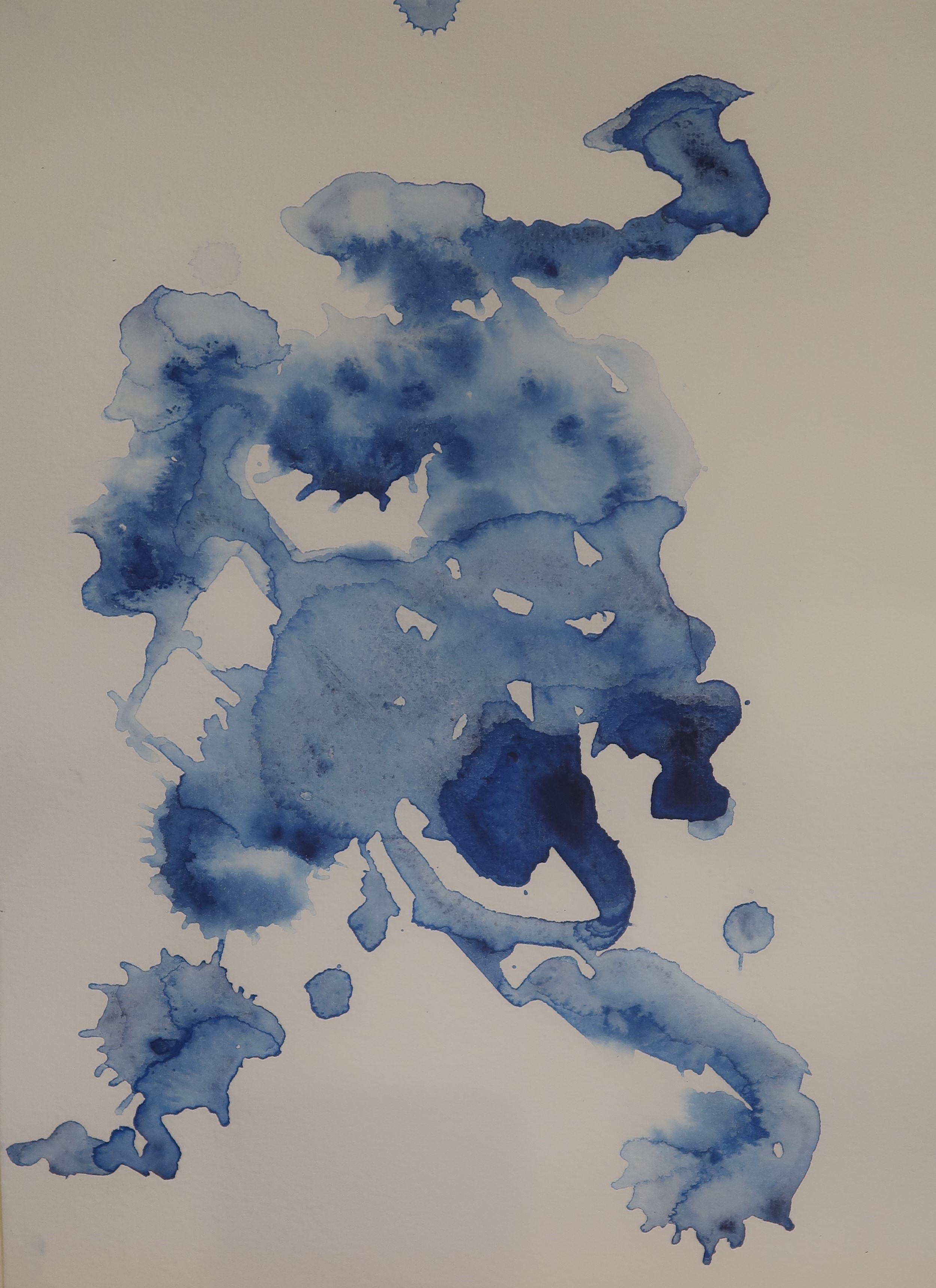
I like to think of what I do as a departure from modernism. I do what I call Deep Art. I see its precedent in Leonardo da Vinci’s advice to gaze at a wall to imagine what you may in its blemishes and accidents, and I see it in the strange paintings of Victor Hugo, which began as ink blotches that he worked into, perhaps revealing the suggestion of a gothic landscape. Deep Art has been anticipated by the surrealists, it could be argued, though Hugo predates them, so it is actually earlier than surrealism. Basically Deep Art is going in the opposite direction to modernism. It begins with some involuntary chaotic action, splotches, blots, found chaos, a spill or even a confused photograph. The artist then works into that chaos to attempt to get somewhere. Not necessarily to a figurative result but at least to a feeling of resolution in the artist’s mind.
In the heyday of modernism, back in the sixties or before that, modernism embraced progress. Though causing horrific manifestations when applied to warfare, progress was still something which could lead to a Utopian reshaping of society. Progress led away from old-fashioned figurative depiction towards abstraction. So it led from articulate coherence towards a comprehension of underlying structure, rhythm and the abstraction of forms – stimulating an understanding of the nature of our senses, as exemplified by the non-narrative repetitions of Gertrude Stein or by Mondrian beginning from an apple tree and abstracting from it until he discovered in its structure some harmony of lines. Finally, artists did not want their abstractions to be “read into” – since they existed as pure rhythm; word impacting against word or colour striking colour. Jackson Pollock would have been furious if one had looked into one of his abstract paintings and said, I think I can see the backside of a cow.
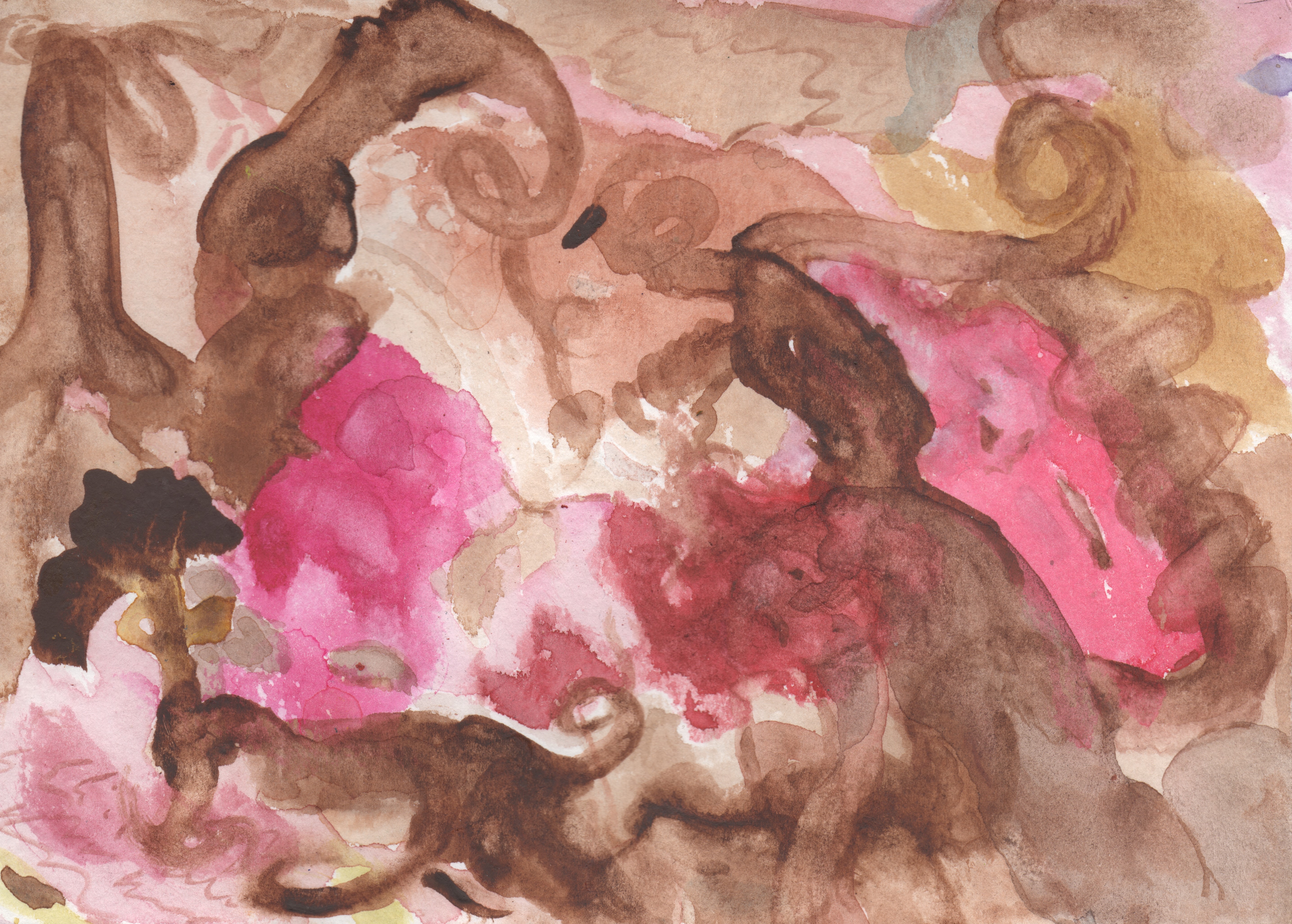
However deep art is a departure from that pursuit of progress. We no longer have faith that progress will solve the world’s ills. In fact progress chooses to abet capitalism. A world of total surveillance is portended, reinforced by AI and hostile to procreation in a post-industrial world. Progress has become a suspect word, and therefore deep art retreats from progress, not into nostalgia for a previous way of making art, but into an ideal of degrowth, epitomised by turning away from profit-motivated expansion on an ever larger scale. Instead, it focuses in on a realm where the accidental prompts suggestion. However abstract it might initially appear, a piece of deep art invites being looked into more deeply. It is like a Rorschach test – it is open to suggestion. I reiterate: deep art is a departure. It is alchemy. Its primary aim is for the artist to lose consciousness of self in the engrossment of making art. It looks into the tea-leaves. It makes something out of chaos. It welcomes quantum connections.
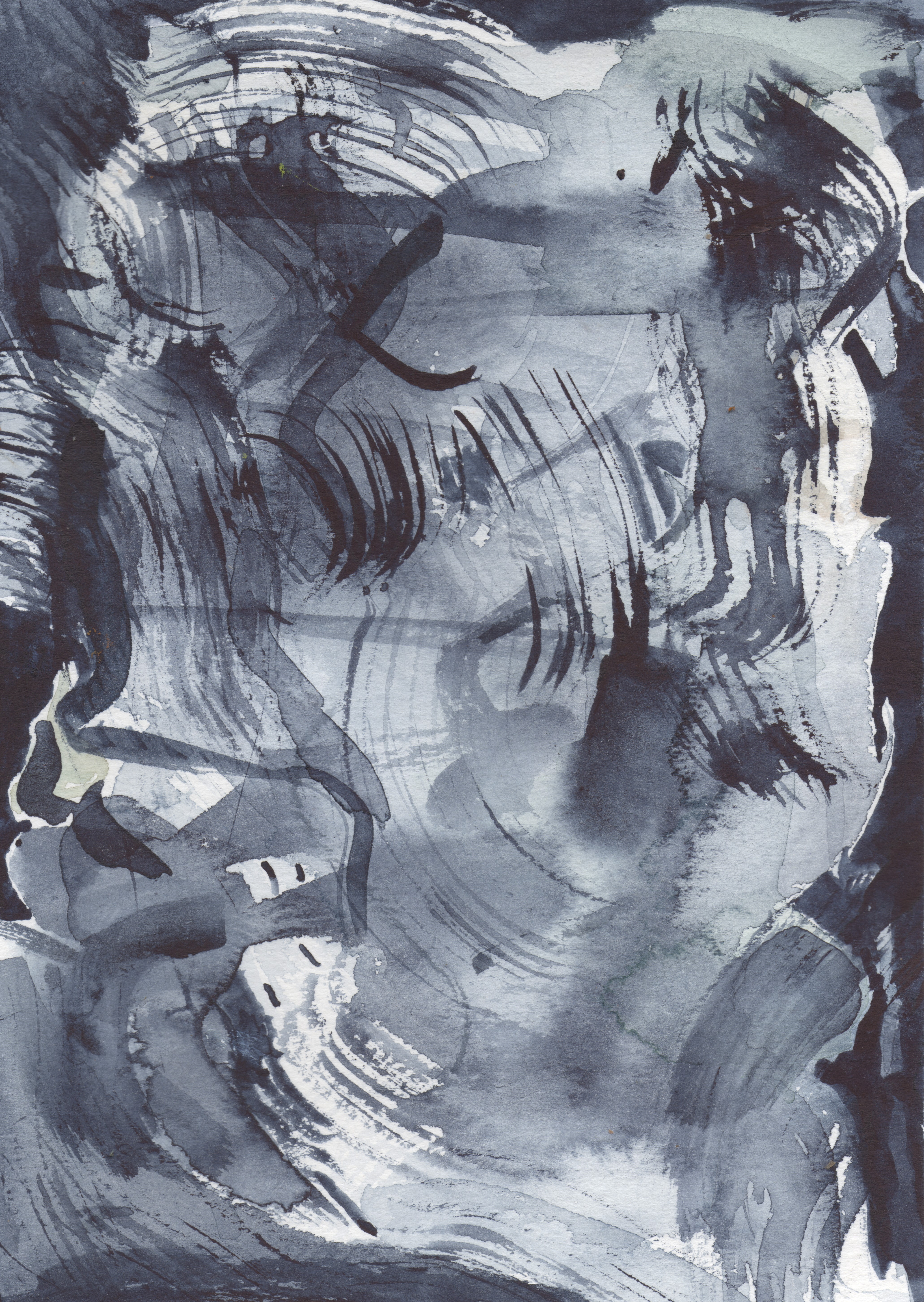
But then an ironic question arises. This chaos out of which the art emerges, yes, it may be or may not be symbolic of the observable world, but, just as the soothsayer needs the tea-leaves for prediction, the chaos needs to be plastic, made of ink on specific paper, or made of cut-ups as in the work of William Burroughs. The stuff to puzzle over has to be brought into existence before the alchemy can begin. So this initiates the initial artistic or poetic struggle. What is to be spilt? How is this chaos to become an actual material? How do you enable a random expression to manifest itself?
So initially, one must find a way to circumvent the intentional. From da Vinci to Cage, artists have recognised the inspiring power of chance. A serendipitous agglomeration can be a fertile ground. In visual art one can adopt a strategy such as drawing with the eyes closed. That is something one can’t really do with words – though the surrealists experimented with automatic writing. Nevertheless it is hard to write a word without intending it.
So differences emerge. In art, in order to wrestle with the arbitrary or derive a result from cacophony, what is required first is that some arbitrary spillage or dissonance be created – I am impressed by the orchestra of the elephants in Thailand. Some chaotic basis has to be made manifest. This is not as easy as it sounds. The way of making the initial chaos that will ultimately generate the work is what distinguishes one artist in this vein from another
See also Modern Art is Over. Embrace Deep Art.
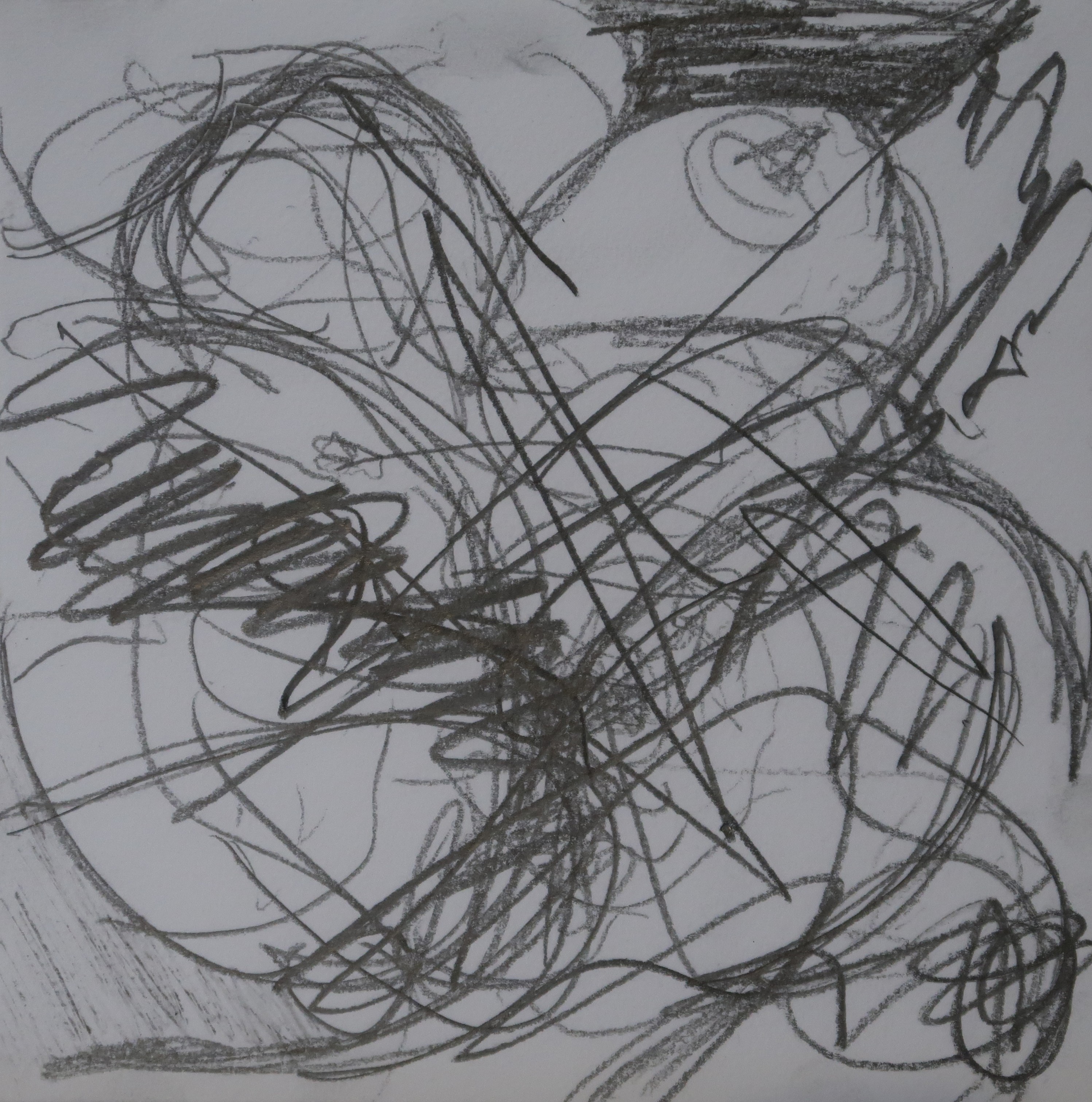
A new slideshow on YOUTUBE.
The hyper-real becomes more intense than reality. The click-bait goes both ways. War or porn. Which is which? Can they be drawn at the same time?
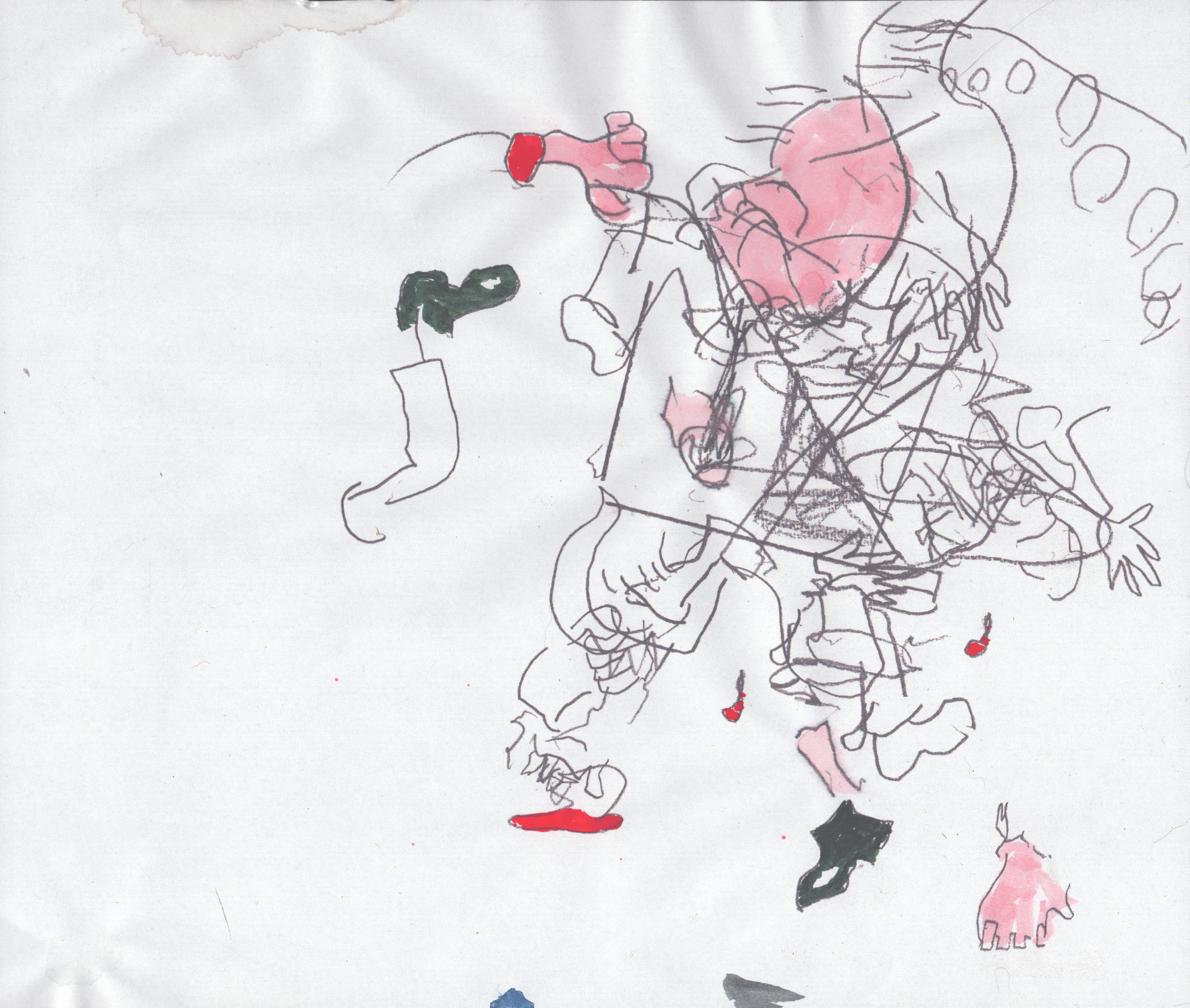
Click on ANGER – my new video on Youtube. But maybe open a vigorous track before you press play on my link.
Almost all my slide-shows can be found on Youtube @theanthonyhowell here
There is also STENCIL ART – which has content Youtube might consider inappropriate – so it’s on vimeo.
I don’t usually add a soundtrack. Anyone who needs a soundtrack can open some accompaniment that’s of their own choosing. Some people prefer watching without sound.
I did make a slide-show to accompany my introductory reading of an excerpt from my novel The Distance Measured in Days
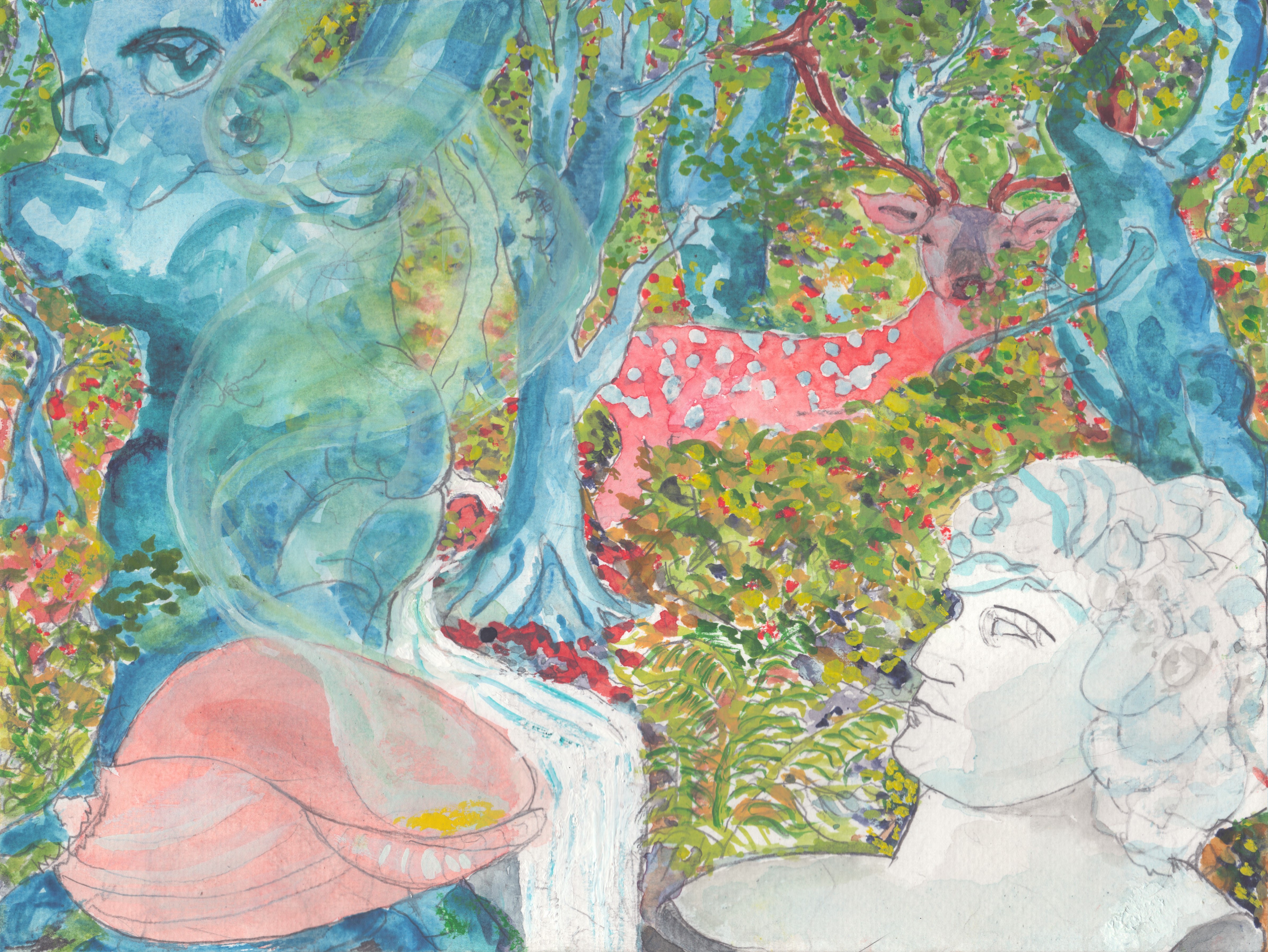
The slide-show extends the tradition of contending with the portrayal of time in visual art, which can be seen in the procession taking place on the frieze of the Parthenon. As we walk along its length in the British Museum, we imagine we are standing still and the procession is passing in front of our eyes, and then there are the narratives Sassetta portrayed: three incidents in the life of some early Christian saint shown happening in a single picture. And then, as we move nearer to today, there are comics and animation. So for me, it was rewarding to hit upon the slide-show as a way to narrate a visual poem.

Israel has legalised the death penalty for Palestinian prisoners
The link takes you to a damning report in Middle East Eye.
x
x
x
x
x
x
x
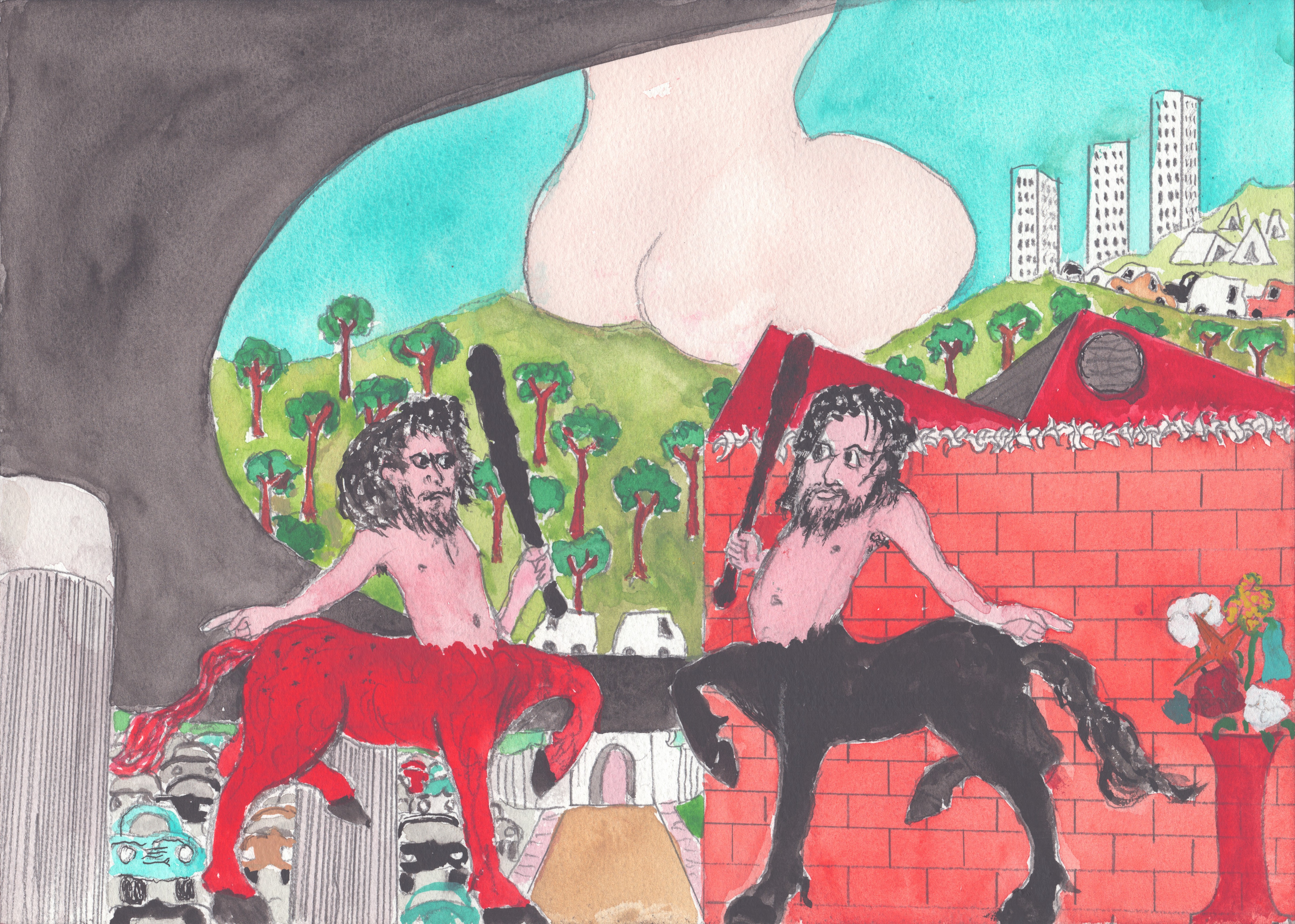
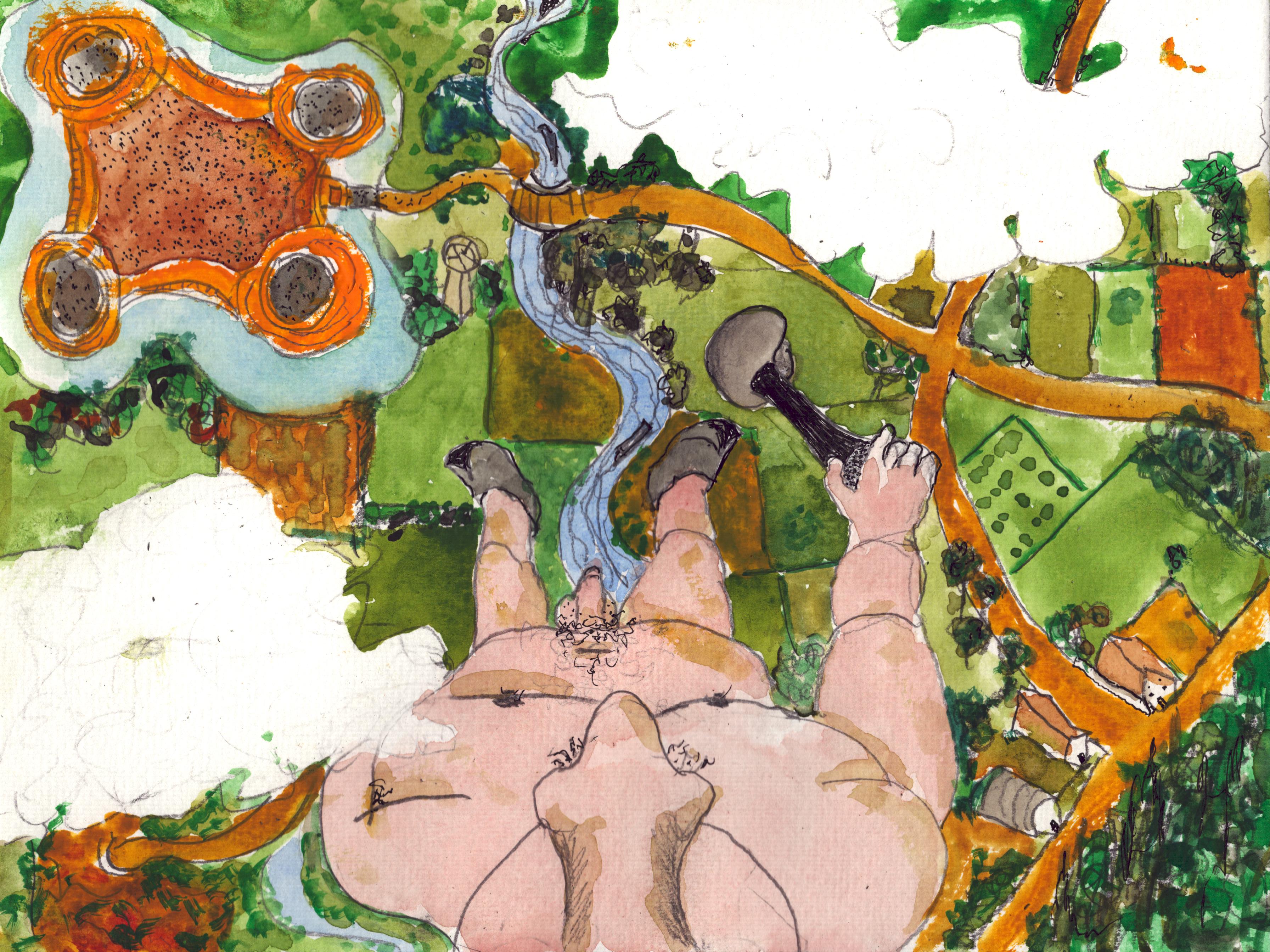
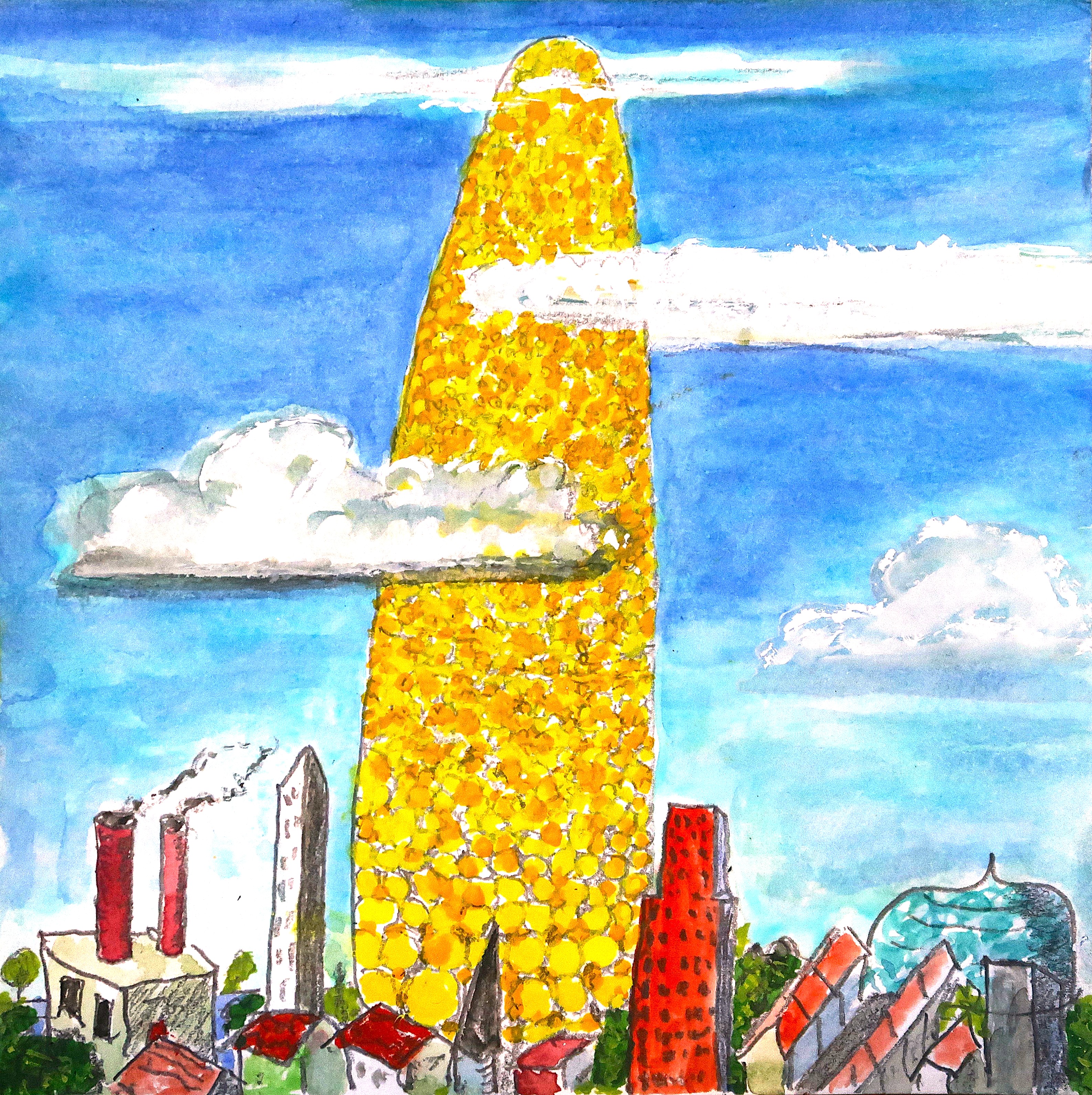
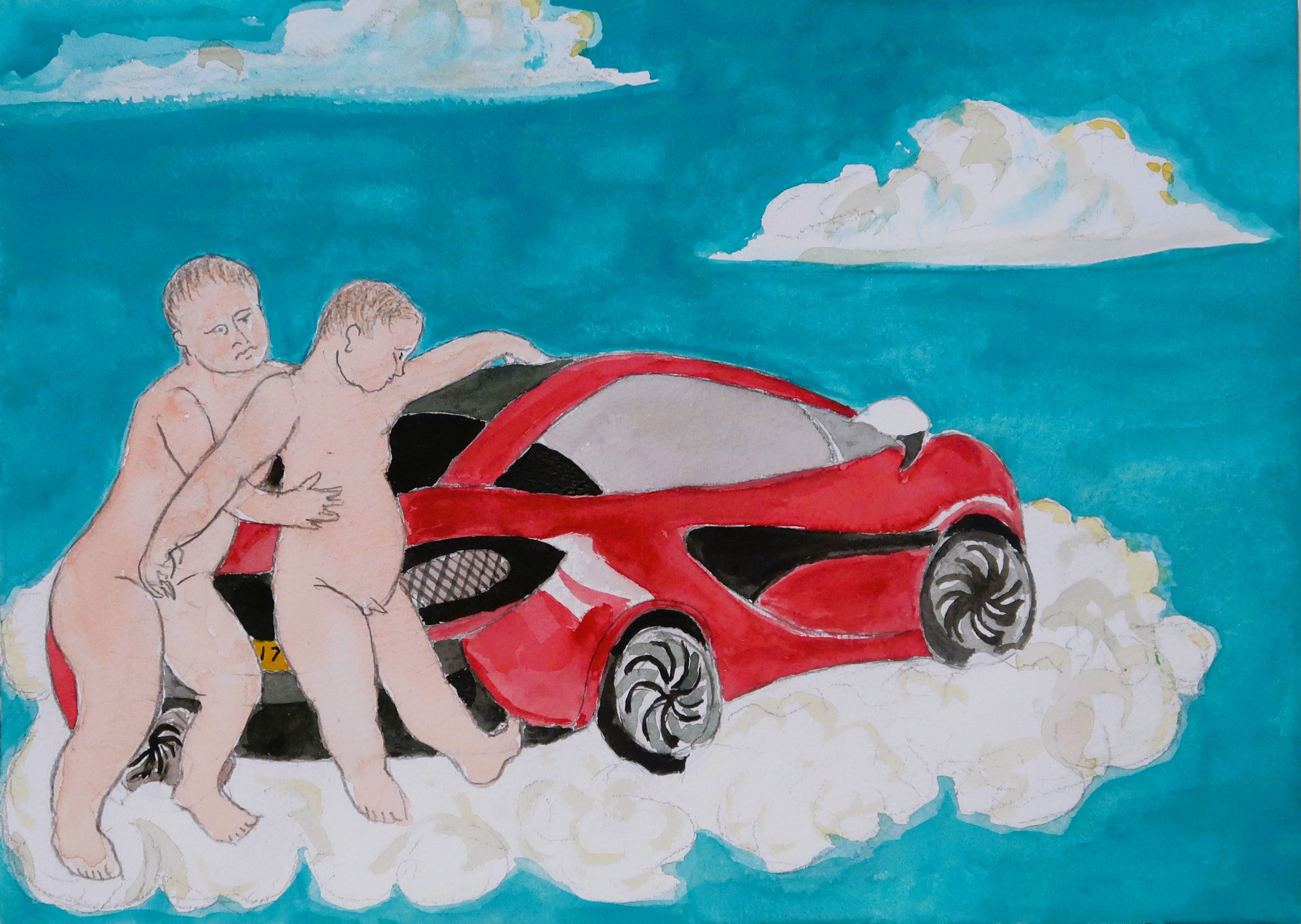
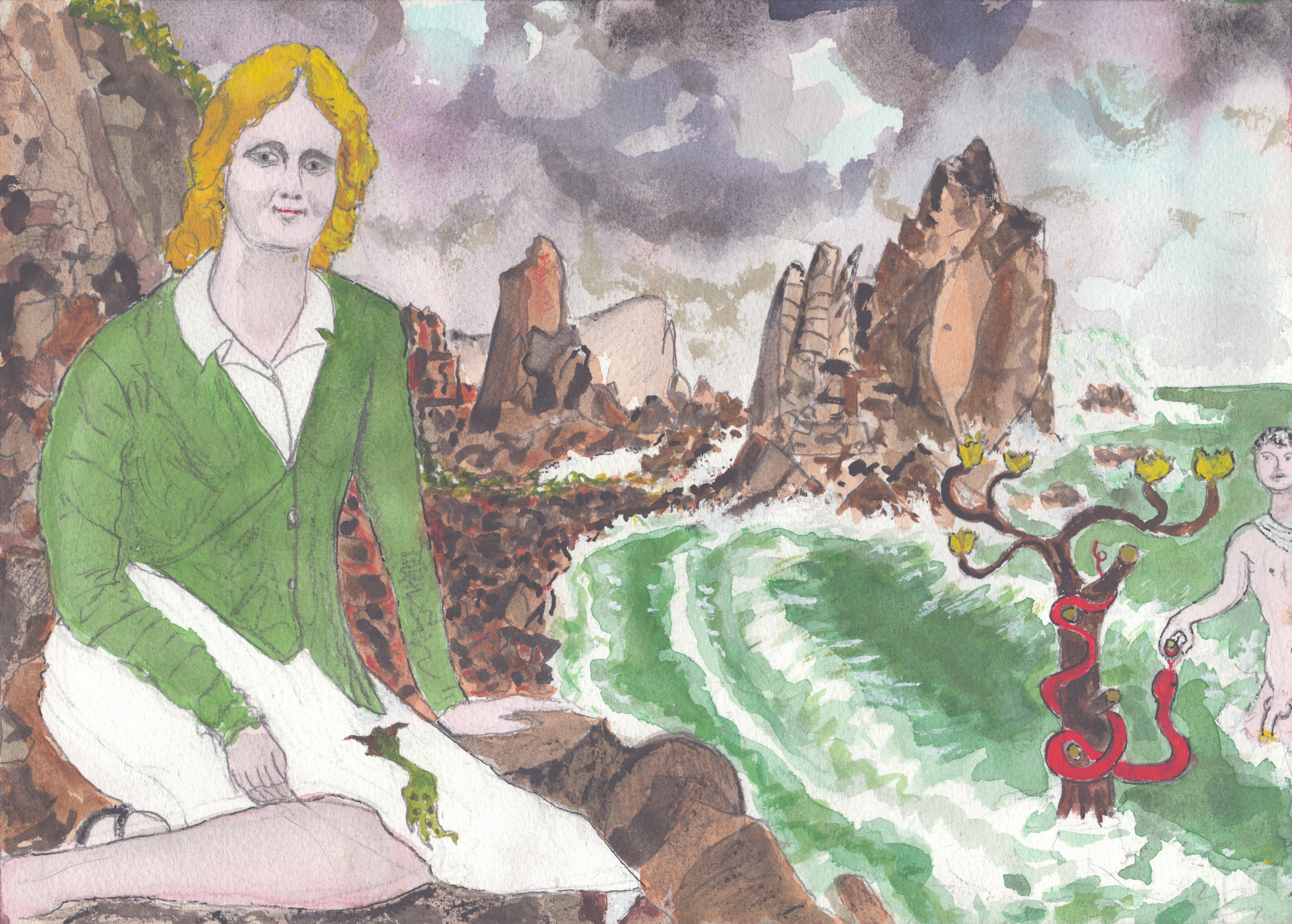
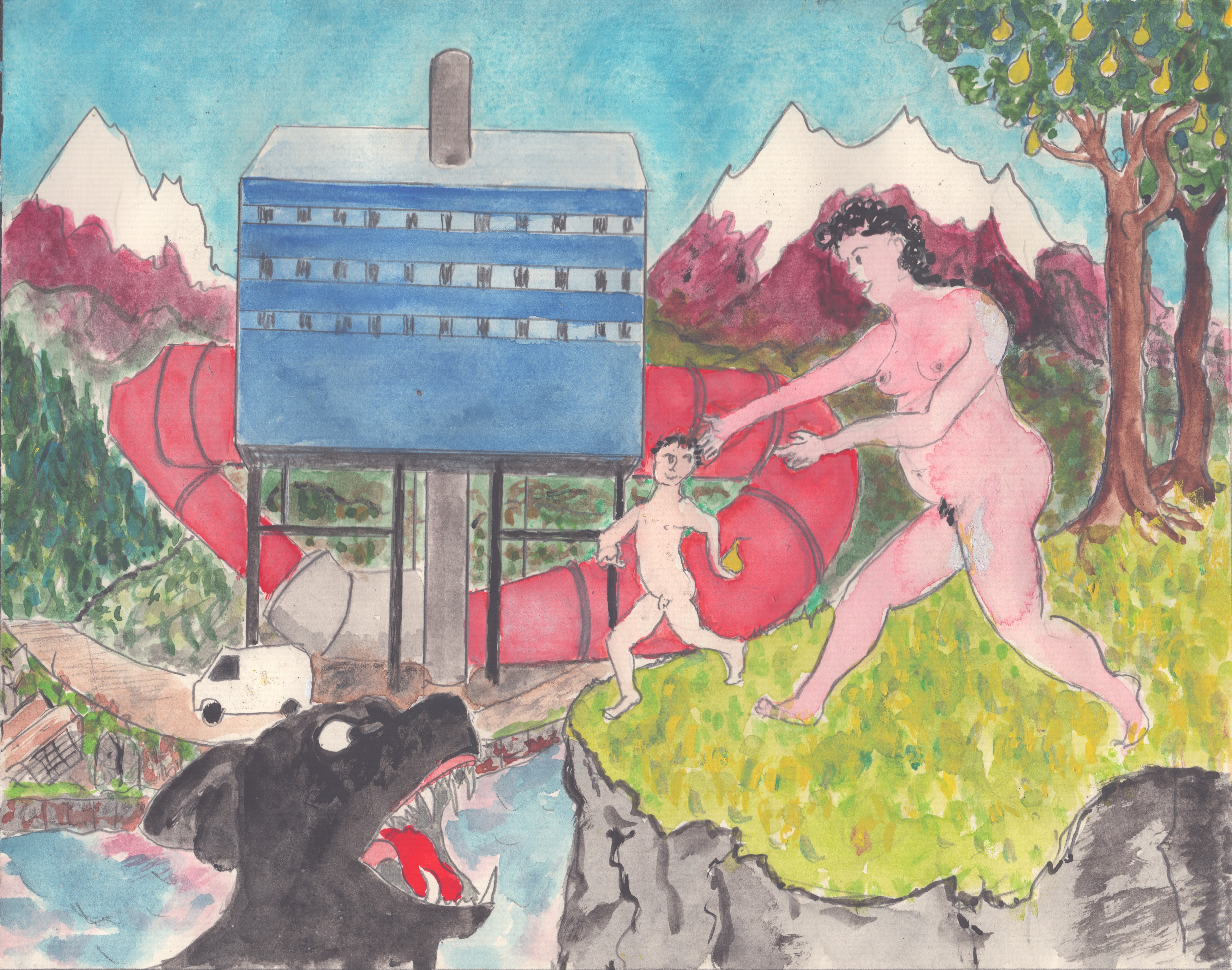
What if one reversed illustration? If the picture came first, and it was up to the viewer to give it a story?
A friend points out that this is nothing new. As this article in The Three Pipe Problem makes clear.
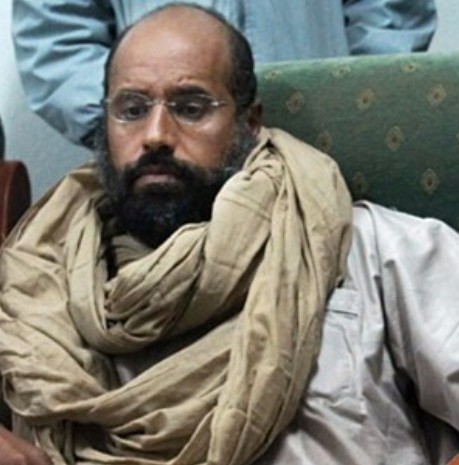
MUAMMAR GADDAFI’S SON SAIF AL-ISLAM GADDAFI ASSASSINATED
Who did it? Sources on the ground in Libya suspect that British intelligence used local proxies to assassinate the man seen by many as the one who could reunite Libya, 15 years after NATO bombed Libya into a failed state during their campaign to kill Muammar Gaddafi. Muammar Gaddafi’s Libya had the highest standard of living in Africa. It had a fully-functioning welfare state, and people could not leave its shores to get to Europe in dinghies.
France could also be implicated. It has deep motives in Libya, and we know from Wikileaks cables that France wanted a ‘greater share in Libya’s oil production’ in 2011, and Sarkozy was negotiating to reserve as much as 35% of Libya’s oil production.
We know that the US, UK, and France feared Muammar Gaddafi’s plan for a pan-African Gold Dinar currency, as well as his promoting of pan-African unity, a legacy inherited by Saif Al-Islam Gaddafi.
Saif was a Libyan political figure. He was the second son of the late Libyan leader and his second wife Safia Farkash. He was a part of his father’s inner circle, performing public relations and diplomatic roles on his behalf. He publicly turned down his father’s offer of the country’s second highest post and held no official government position. According to United States Department of State officials in Tripoli, during his father’s reign, he was the second most widely recognized person in Libya, being at times the de facto prime minister, and was mentioned as a possible successor,
Libyan news outlet Fawasel Media cited Othman as saying that armed men killed Gaddafi in his home in the town of Zintan, some 136km (85 miles) southwest of the Libyan capital, Tripoli.
Gaddafi’s political team later released a statement, saying that “four masked men” stormed his house and killed him in a “cowardly and treacherous assassination”.
The statement said that he clashed with the assailants, who closed the security cameras at the house “in a desperate attempt to conceal traces of their heinous crimes”.
Khaled al-Mishri, the former head of the Tripoli-based High State Council, an internationally recognised government body, called for an “urgent and transparent investigation” into the killing in a social media post.


 anthonyhowelljournal